
A Whole-Body Approach to Health and Wellness
Modern life often focuses on quick fixes—treating symptoms instead of addressing the root cause. Holistic medicine offers a different perspective. Rather than separating physical health from mental, emotional, and spiritual well-being, holistic medicine looks at the whole person.
Whether you’re seeking more balance, better energy, stress relief, or long-term wellness, holistic medicine provides tools that support your body’s natural ability to heal. This guide explores what holistic medicine is, how it works, and the many benefits it can offer for everyday health.
Holistic medicine is a whole-body approach to wellness that considers physical health, mental well-being, emotional balance, lifestyle habits, and environmental factors. Instead of focusing on isolated symptoms, it seeks to understand the underlying causes of imbalance.
This approach aligns closely with building long-term habits, such as the ones discussed in
👉 10 Simple Habits to Boost Your Health


What Is Holistic Medicine?
Holistic medicine is an approach to health that considers the entire person—body, mind, emotions, lifestyle, and environment—rather than focusing solely on symptoms or disease. Holistic medicine focuses on treating the whole person — not just symptoms — by considering physical, emotional, and spiritual health as interconnected. According to a health overview from WebMD, this approach aims to promote balance and overall wellness rather than simply suppressing symptoms. WebMD
Instead of asking, “What medication treats this problem?”, holistic medicine asks:
- What is causing this imbalance?
- How do stress, sleep, nutrition, movement, and mindset play a role?
- What lifestyle changes can support healing and prevention?
Holistic medicine does not reject conventional medicine. Instead, it often works alongside it, emphasizing prevention, self-care, and long-term wellness.
Core Principles of Holistic Medicine
Holistic medicine is guided by a few foundational principles:
- The body is interconnected — physical, mental, and emotional health influence each other
- Prevention is key — daily habits matter more than crisis care
- Individualized care — no two people are the same
- Healing is a partnership — you play an active role in your health
- Balance leads to wellness — imbalance often leads to illness
These principles encourage sustainable, realistic lifestyle changes rather than extreme or short-term solutions.
Many of these principles overlap with setting realistic wellness goals, which you can explore further in
👉 Set Attainable Fitness Goals
Types of Holistic Medicine and Healing Practices


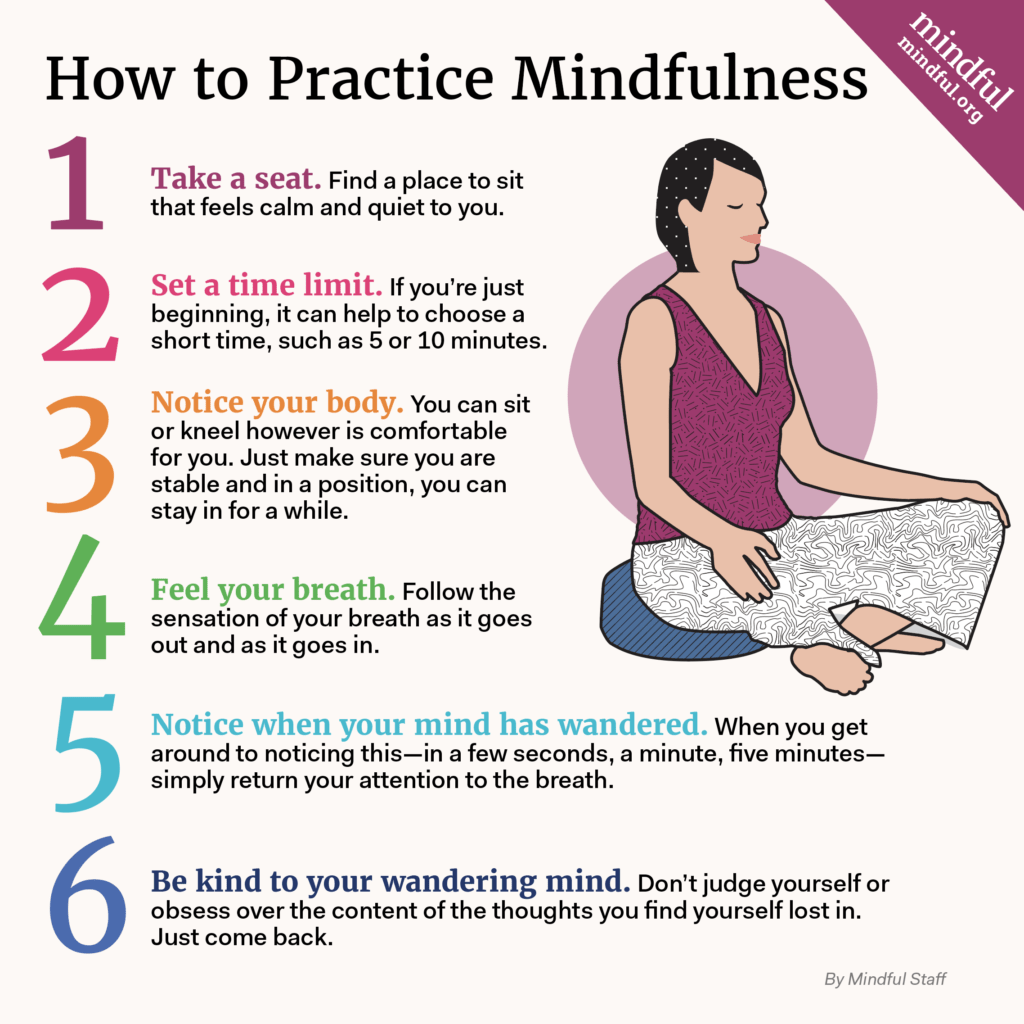

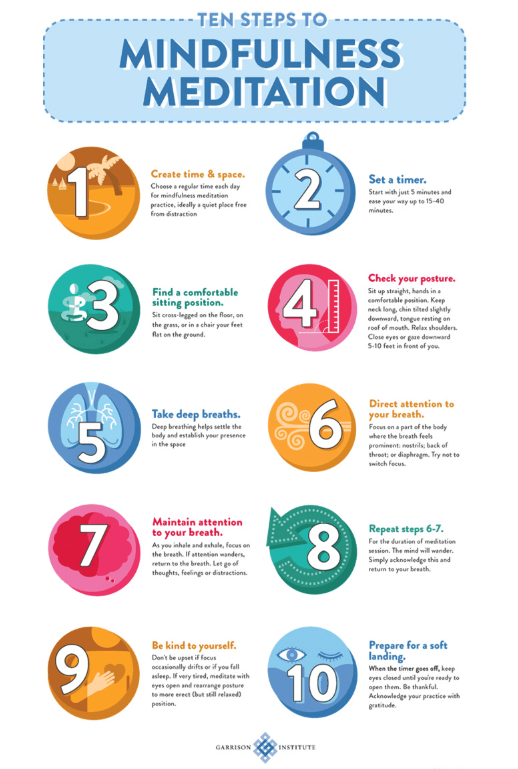
Holistic medicine includes a wide range of practices, many of which have been used for centuries across different cultures.
Some common examples include:
- Traditional Chinese Medicine (acupuncture, herbal therapy, qi balance)
- Ayurveda (diet, lifestyle, mind-body balance)
- Herbal medicine
- Nutritional therapy
- Yoga and movement therapy
- Meditation and mindfulness
- Massage therapy
- Aromatherapy
- Breathwork
- Energy-based practices
Each method supports wellness in different ways, and many people combine several approaches.
Movement-based practices pair especially well with beginner-friendly routines like those found in
👉 Beginner Workout Home Gym
and
👉 Cardio Training for Beginners
Benefits of Holistic Medicine
1. Treats the Root Cause, Not Just Symptoms
One of the biggest advantages of holistic medicine is its focus on why a problem exists—not just what it looks like on the surface.
For example:
- Fatigue may stem from stress, poor sleep, or nutrient imbalance
- Digestive issues may be linked to anxiety or eating habits
- Chronic pain may be influenced by posture, stress, or inflammation
By identifying root causes, holistic medicine helps prevent recurring issues instead of masking them.
Improving sleep quality is one of the simplest ways to restore balance, which is why prioritizing rest—as explained in
👉 Sleeping For Better Health
—is a cornerstone of holistic wellness.
2. Supports Mental and Emotional Well-Being
Mental and emotional health are deeply connected to physical health. Chronic stress, anxiety, and emotional strain can weaken the immune system, disrupt digestion, and affect sleep.
Holistic practices such as meditation, yoga, breathwork, and mindfulness help:
- Reduce stress hormones
- Improve emotional resilience
- Increase focus and clarity
- Support better sleep
- Promote relaxation
Many people report feeling calmer, more centered, and emotionally balanced when incorporating holistic practices into daily life.
Holistic practices work well alongside strategies for emotional balance, such as those discussed in
👉 Tips For A Work Life Balance
3. Encourages Preventive Care
Holistic medicine emphasizes prevention over treatment. Rather than waiting for illness to occur, it encourages habits that support long-term health.
Preventive strategies include:
- Balanced nutrition
- Regular movement
- Quality sleep
- Stress management
- Healthy routines
These habits reduce the risk of chronic disease and improve overall quality of life.
Preventive care includes regular movement, such as strength and mobility work. For beginners, this can start with
👉 Strength Training for a Beginner
and progress into flexibility and mobility practices like those covered in
👉 Examples Flexibility Exercises
👉 Examples of Mobility Training Exercises
4. Promotes Better Lifestyle Habits
Holistic medicine naturally encourages healthier daily choices without extreme rules.
You’re more likely to:
- Eat whole, nutrient-dense foods
- Move your body in enjoyable ways
- Practice mindfulness
- Prioritize rest and recovery
- Create healthier routines
Because changes are gradual and personalized, they’re often easier to maintain long-term.
This approach pairs well with gentle daily movement and recovery practices, including proper warm-ups and cool-downs as explained in
👉 Warm Up and Cool Down Exercises
5. Improves Energy and Vitality
When the body is supported properly, energy levels often improve naturally.
Holistic medicine helps by:
- Reducing stress and inflammation
- Supporting digestion and nutrient absorption
- Improving sleep quality
- Balancing hormones
- Encouraging restorative movement
Instead of relying on stimulants or quick fixes, holistic approaches work with your body’s natural rhythms.
Combining holistic practices with light cardio or walking routines—especially for beginners—can significantly boost daily energy. A great place to start is
👉 Cardio Training for Beginners
6. Personalized and Individualized Care
Unlike one-size-fits-all solutions, holistic medicine recognizes that everyone’s body, lifestyle, and needs are different.
Two people with the same symptom may receive entirely different recommendations based on:
- Stress levels
- Activity level
- Diet
- Sleep habits
- Emotional health
- Environment
This personalized approach often leads to better outcomes and higher satisfaction.
7. Supports Chronic Condition Management
Many people turn to holistic medicine for long-term conditions that require ongoing care rather than quick fixes.
Holistic approaches may help support:
- Joint discomfort
- Digestive issues
- Sleep challenges
- Stress-related symptoms
- Fatigue
- Hormonal changes
While holistic medicine does not replace medical treatment, it often complements it by improving daily function and well-being.
8. Strengthens the Mind-Body Connection
Holistic medicine encourages awareness of how thoughts, emotions, and behaviors influence physical health.
This connection helps you:
- Recognize early signs of imbalance
- Respond to stress more effectively
- Develop self-care awareness
- Build confidence in managing your health
Over time, this awareness empowers you to make better decisions for your body.
Practices like mindfulness, movement, and stress management work together to create balance—similar to how exercise routines improve both mental and physical resilience, as outlined in
👉 Mind-Body Connection
9. Encourages Natural Healing Methods
Many holistic practices focus on supporting the body using natural methods such as:
- Nutrition
- Herbs
- Movement
- Rest
- Mindfulness
This approach appeals to people seeking gentle, sustainable wellness solutions that work with the body rather than against it.
10. Improves Overall Quality of Life
Ultimately, holistic medicine isn’t just about avoiding illness—it’s about living better.
People often report:
- Improved mood
- Better sleep
- Increased energy
- Reduced stress
- Greater sense of balance
- Stronger connection to their body
These benefits extend beyond physical health into daily life, relationships, and emotional well-being.
Is Holistic Medicine Right for Everyone?
Holistic medicine can benefit many people, but it’s important to approach it thoughtfully.
Best practices include:
- Using holistic care as complementary support, not a replacement for necessary medical care
- Working with qualified practitioners
- Listening to your body
- Making gradual, realistic changes
Holistic medicine works best when combined with informed decision-making and professional guidance.
If your goal is to build a healthier lifestyle without extremes, holistic principles fit naturally alongside the fitness and wellness foundation described throughout
👉 Improve My Health and Fitness
Simple Ways to Start Holistic Living Today
You don’t need to overhaul your life to benefit from holistic principles. Small steps matter.
Try starting with:
- Drinking more water
- Walking daily
- Practicing deep breathing for 5 minutes
- Eating more whole foods
- Prioritizing sleep
- Reducing screen time before bed
- Taking short mindfulness breaks
These simple habits align with holistic principles and support overall wellness.
Many of these ideas are expanded upon in
👉 10 Simple Habits to Boost Your Health
Frequently Asked Questions About Holistic Medicine
Is holistic medicine safe?
When practiced responsibly and alongside appropriate medical care, holistic approaches are generally safe and supportive.
Does holistic medicine work?
Many people experience benefits, especially when holistic practices are used consistently and tailored to individual needs.
Can holistic medicine replace doctors?
No. Holistic medicine is best used as complementary care, not a replacement for medical treatment. Integrative medicine — which brings together conventional medicine and evidence-based complementary therapies — is being studied for benefits in areas such as pain management, symptom relief, and wellness support. National Institutes of Health research highlights how this combined approach can support coordinated care and overall health goals. NCCIH
Final Thoughts: Why Holistic Medicine Matters
Holistic medicine offers a refreshing approach to health—one that values balance, prevention, and personal responsibility. By addressing the whole person instead of isolated symptoms, it supports sustainable wellness and long-term vitality.
Whether you’re just beginning your wellness journey or looking to deepen your self-care routine, holistic medicine provides practical, empowering tools to help you feel your best—physically, mentally, and emotionally.