Building a home gym on a budget is easier than most people think. A little creativity and the right gear can transform even a small space into a comfortable workout zone. You don’t need fancy machines or a massive budget to get started. Over the years, I’ve found reliable, walletfriendly equipment that really gets the job done; I’m excited to walk you through the essentials so you can start working out at home without overspending.
Why Set Up a Home Gym on a Budget?
Home gyms are jumping in popularity. Monthly gym fees, crowded weight racks, and unpredictable schedules are just some reasons more people choose to sweat it out at home. For me, a home gym means getting in a session whenever I want—even at 6am before work or on a rainy Sunday.
Walletfriendly equipment helps you:
- Save cash on memberships and travel costs
- Exercise when it fits your schedule
- Make a space tailored to your own fitness goals
- Stay active if gyms close or you’re pressed for time
Some believe home gyms must have huge, pricey machines. Actually, smart gear choices easily offer a fullbody workout for a fraction of the price. Recent stats back this up: more people are picking compact, affordable options, making the home gym trend more accessible than ever.
Essential Budget Home Gym Equipment
Through a lot of trial and error, I’ve found a few pieces of gear I keep using week after week. Here’s the basic lineup to get solid workouts at home without blowing your budget.
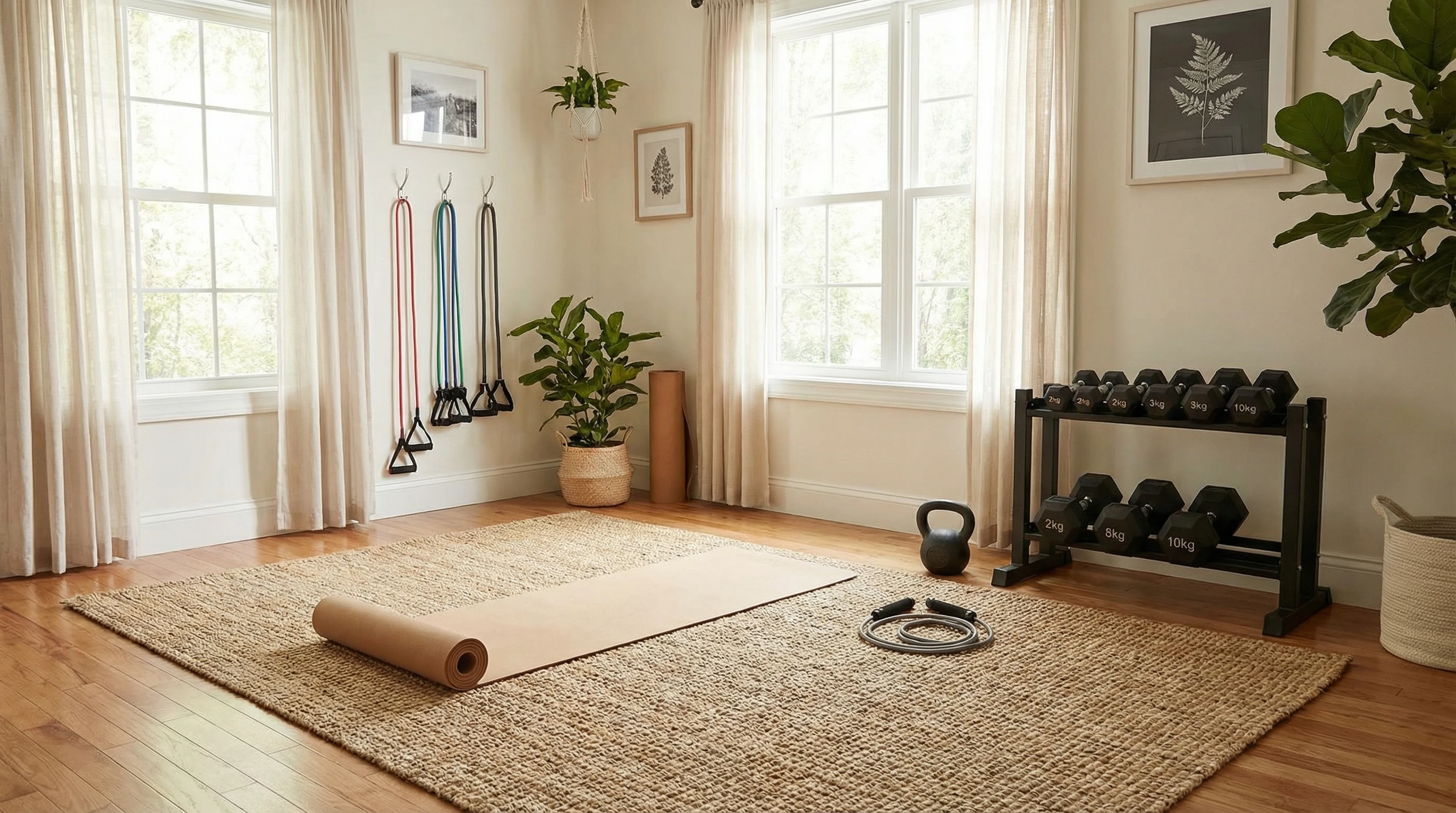
- Resistance Bands: Portable and surprisingly tough for strength or mobility training. An entire set is often less than a takeout meal, and you can train your whole body with just these.
- Adjustable Dumbbells: If space is tight, adjustable dumbbells are really useful. They take the place of several fixed pairs and let you increase weight as you get stronger; most new brands are very affordable.
- Jump Rope: Awesome for cardio, coordination, and burning off calories. I use mine for quick highintensity bursts or a solid warmup.
- Kettlebell: Perfect for fullbody moves like swings, squats, and Turkish getups. Just one mediumweight kettlebell adds a ton of variety for strength and cardio.
- Yoga Mat: A must for floor work, stretching, pilates, or yoga flows. Mats come at all price points, but a walletfriendly nonslip mat is more than enough when starting.
- PullUp Bar: A stable doorway bar unlocks pullups, chinups, and hanging core moves. No need for drilling or a permanent setup.
- Stability Ball: Use it to shake up core work, balance training, or flexibility drills. Crunches and planks get a real boost here!
With just these, you cover all main bases: strength, cardio, mobility, and flexibility. It’s smart to build up your collection slowly—grab a couple basics first (like bands and dumbbells), then add more as your routine grows.
How to Prioritize Your Purchases
Choosing what to buy first depends on your goals, space, and what really keeps you moving. Here’s my method to figure out what’s worth adding to the home gym:
- Go for Versatility: The best value comes from equipment used for many exercises—think dumbbells, bands, and kettlebells.
- Match Your Interests: If you hate jumping, skip ropes and try something else. The more you enjoy working out, the better your motivation will be.
- Check Your Space: Foldable benches and compact tools work for apartments. Giant racks are tricky in small, shared homes.
- Shop Secondhand: You can score great deals on used gear from online listings or Facebook groups. Just remember to doublecheck safety and quality before buying.
Starting with the basics, then expanding as needed saves money and helps you dodge unnecessary purchases.
Quick Tips for Maximizing a Budget Home Gym
Even simple gear packs a punch if used creatively. Here’s what’s worked for me in my basic, walletfriendly setup:
- Use Bodyweight Moves: Pushups, squats, lunges, planks, and burpees remain seriously effective. If you lack gear, you can still get a great workout.
- Get Creative With Furniture: A strong chair can serve as a bench; a sturdy step or stairs become perfect for cardio or plyo routines.
- Switch Up Your Workouts: Mixing strength, cardio, HIIT, and stretching keeps it interesting and helps avoid plateaus. Free routines from Fitness Blender or YouTube are gold for new ideas.
- Track Your Progress: Log workouts or goals in an app or simple notebook. Seeing steady improvement keeps your motivation high if you’re training solo.
- Stay Consistent: Short sessions add up over time—three 30minute sessions per week is a solid start; add more if your schedule allows.
Being patient and positive is also key. There are stretches where my dumbbells gather dust and times I’m hitting every workout with enthusiasm.
Common Budget Home Gym Gear Questions
I get lots of questions from friends and fellow home gym fans. Here are some of the most common ones—and my honest answers:
Question: What’s the first thing I should buy for a home gym?
Answer: Resistance bands or adjustable dumbbells. Bands are lightweight, affordable, and surprisingly versatile, while dumbbells add a bigger challenge for strength. Most folks are good starting with one—then growing their collection as needed.
Question: Can you get a full workout with just bodyweight?
Answer: For sure. Moves like squats, pushups, lunges, planks, and burpees target all major muscle groups. By adding reps or making the moves tougher, you can make serious progress with no equipment at all.
Question: Are cheap bands and dumbbells safe?
Answer: Most are fine for moderate home use, but watch out for frayed bands or cracked dumbbells—especially secondhand. I stick to known brands, even when buying used, and always give everything a quick test for safety first.
Question: How do I keep my home gym interesting?
Answer: Keep things fresh with new routines, like HIIT or circuits, and try making your own equipment (for example, a backpack weighted with books). Changing up your workouts keeps boredom away and challenges your body.
Budget Picks: What I Personally Recommend
With so many options out there, I’ve definitely spent money on more than a few duds. Here are my go-to essentials under $50 each (but always check current prices):
- Fit Simplify Resistance Loop Bands: Super durable, this five-band kit handles a big range of exercises.
- AmazonBasics Neoprene Dumbbells: Affordable, grippy, and available in several weights.
- Yes4All Vinyl Kettlebell: Great grip and selection of weights.
- BalanceFrom GoYoga AllPurpose Mat: Extra thick, comfy, and walletfriendly—perfect for sore knees or longer sessions.
These are super sturdy for the price, but quality really varies! Always check reviews and look for warranties on budget items.
What to Look Out for When Buying Cheap Fitness Gear
A tempting low price doesn’t always mean value. Smart shoppers take a minute to check things out; it can save money and help prevent injury.
- Materials matter: Bands should never be cracked, dumbbells should be balanced, and mats should be resilient but not rock hard.
- Returns and Warranties: Some cheap gear comes “as is.” Buy from places that offer fair return policies or warranties.
- Size Counts: Always measure your space and gear. There’s nothing worse than a mat that’s too small for basic stretches!
- User Reviews: Feedback from other buyers is your friend. I’ve avoided a lot of letdowns by reading Amazon or review site comments.
- Weight Limits: Make sure benches and bars can safely hold your weight, plus any weights you’re lifting. Safety always comes first.
Sites like Garage Gym Reviews have honest, updated takes on new gear—highly recommended before you shop.
Smart Storage and SmallSpace Home Gym Ideas
Space is a top concern for home gyms—especially in apartments. Luckily, there are easy ways to keep your setup tidy, whether you’re in a studio or just sharing a room:
- Overthedoor hooks for bands, jump ropes, and mats
- Collapsible benches that fit under beds or behind doors
- Rolling storage bins for all your loose gear
- Wallmounted racks or small shelves for storing weights
I used a deep laundry basket for years to keep my small gear together—it was quick to stash away after a workout.
Advanced Tips to Get More Out of Budget Gear
Getting the most from your home gym means making every session count, even with less stuff or space. These tricks helped me make real progress without upgrading to bigticket equipment:
Try Compound Movements: Squats, deadlifts, and pushups activate several muscle groups at once, ensuring you use what you have efficiently. These moves also boost your heart rate and calorie burn.
Focus on Slow Reps: When lifting lighter weights, slow the tempo (like a threesecond descent or lift). This ramps up intensity and helps prevent injury.
Progress Your Exercises: Try more difficult variations as you get stronger—singleleg squats, closehand pushups, or heavier band rows. Regular progression brings the best results without requiring lots of gear.
Combine Cardio with Strength: Circuit training, alternating between strength and quick cardio bursts, lets you squeeze more results into shorter sessions.
These tweaks made my workouts tougher and a lot more interesting—even with a simple at home gym setup.
Best Budget Home Gym Setups Based on Your Fitness Goals
Everyone’s fitness goals look a little different, so here’s how I’d build a setup depending on what you want most:
- Strength/Muscle Gain: Adjustable dumbbells, resistance bands, and a pullup bar should top your list.
- Improved Cardio: Jump rope, gliding discs for HIIT moves, and a yoga mat are all you need to get the heart pumping.
- For Mobility or Flexibility: Yoga mat, foam roller, and lighter bands help with stretching, yoga, or pilates.
- General Wellness: A mix of the above means you can change up your workouts often—keeping things fun and balanced.
I find rotating between these keeps me motivated. Some days I go heavy on weights; others I just stretch or focus on highintensity intervals—it all depends on my mood and energy.
Free & LowCost Resources for Home Workouts
You don’t need to spend big for quality workouts. I rely on a few awesome free sites and channels for fresh ideas, guidance, and support:
- Fitness Blender: Free fullworkout videos and plans for any goal, intensity, or skill level.
- Yoga With Adriene: Fun, approachable yoga for any ability or mood.
- Darebee: Visual routines, printable challenges, and guides at zero cost.
- r/bodyweightfitness on Reddit: Tips, plans, and inspiring progress from other budgetfocused home trainers.
With these, you get workouts, ideas, and a whole community—no paid memberships required.
Key Takeaways for Budget Home Gym Success
Walletfriendly home gyms come down to smart buying and real consistency, not the latest gadgets. Even basic tools help you build strength, boost fitness, or create daily movement habits.
Start with the gear you already have. Add affordable pieces that fit your space and goals, and focus on sticking with a plan you enjoy. Let creativity—and a little patience—carry you forward; you’ll soon find your own home gym can be a favorite spot to chase your fitness dreams. Happy training!