
Nutrition trends can get confusing, especially with new diets popping up every year and influencers pushing their favorite plans. Trying to figure out what’s true and what’s just popular opinion can be a real headache. I’ve talked with registered dietitians, checked what the latest research says, and put together a practical guide to some of the most common myths about popular diets, debunked by nutrition experts you can trust.
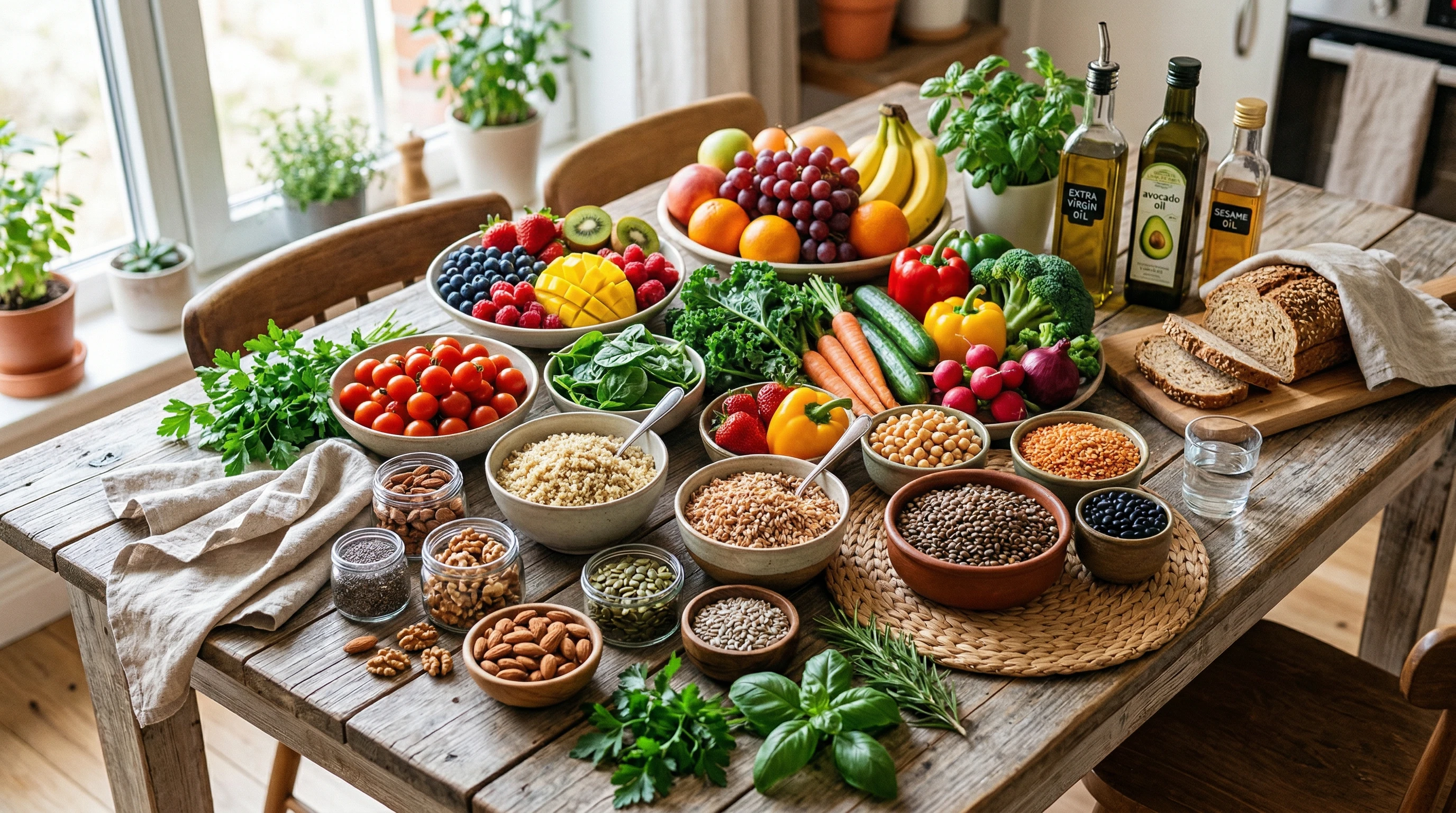
Common Myths About Popular Diets Explained
It feels like everyone has an opinion about what makes the “best” diet, but real science tells a different story. Nutrition experts point out that most popular diet myths stick around because they sound simple and reassuring. It’s normal to look for shortcuts, but everything from keto to plantbased eating has its own misunderstandings. Breaking them down makes it easier to figure out a balanced approach that actually works.
The weight loss industry is massive, topping $72 billion in 2023 (Statista). Social media posts and trending hashtags make it easy for incorrect ideas to spread quickly, especially when research shows only about 20% of Americans read nutrition labels regularly (CDC).
Popular Diet Myths Nutrition Experts Want You to Forget
Every diet comes with its own set of promises, and usually, a handful of common myths. Here are a few that nutrition experts say are overdue for retirement.
- Keto burns fat 24/7: Eating lots of fat and very little carb can lead to weight loss, but it doesn’t mean you’re burning fat nonstop. Calorie intake still matters, and studies show any diet that helps you reduce calories can work (Mayo Clinic).
- Low-carb diets cut out all carbs: Many folks believe lowcarb means zero carbs. Nutritionists suggest focusing on healthy carb sources, like whole grains or beans, not just cutting bread and pasta.
- Intermittent fasting speeds up metabolism: Going without food for hours can help control daily calorie intake, but research shows it won’t magically boost your metabolism (Harvard Health).
- Plantbased diets mean you’ll always be healthy: Just dropping meat doesn’t guarantee good health. Plantbased potato chips and cookies still count as processed foods. The real benefits come from focusing on variety and whole foods (EatRight.org).
Getting Started With Smarter Diet Choices
Kicking off a new diet plan is always tempting, especially with so many promises of quick changes. Here are a few things registered dietitians suggest before following any popular diet:
- Check if it’s actually sustainable. Diets that cut out entire food groups or have lots of oddly strict rules are tough to keep up with and not great for long-term health.
- Focus on whole foods over packaged options. Fruits, veggies, whole grains, lean proteins, and healthy fats provide more nutrition than processed alternatives, no matter what diet you’re trying.
- Stay hydrated and listen to your hunger cues. Hunger is your body’s natural way to signal energy needs. Ignoring it for the sake of a diet makes you way more likely to overeat later.
- Talk to a pro if you need personalized advice. Registered dietitians work with real people and adapt plans to fit your goals, health conditions, and lifestyle (find a dietitian here).
Common Mistakes People Make When Following Diet Trends
Even with the best intentions, jumping on a diet trend can backfire. People often believe that stricter is better. Here are some typical mistakes nutritionists see over and over:
- Expecting instant results: No diet gives fast, long-term changes overnight. Most healthy weight loss happens gradually, at about 1-2 pounds a week (CDC).
- Becoming too obsessed with numbers: Tracking calories, macros, or points can be helpful, but health is more than just data. Dietary variety, sleep, stress, and physical activity matter, too.
- Ignoring how you feel: Low energy, crankiness, and cravings are signs your diet may need a tweak. Pay attention to non-scale signs of well-being, like better sleep or steady energy.
- Skipping meals to “save” calories: Cutting too many calories usually backfires and may even harm your metabolism.
Why Diet Restriction Backfires
Long-term restrictions and “all-or-nothing” thinking set folks up for stress eating, binges, or giving up completely. Years of diet research confirm that restrictions usually lead back to old habits sooner or later (National Institutes of Health).
Specific Myths From the Most Popular Diets and the Actual Facts
Myth: “Carbs Always Cause Weight Gain”
Carbs often get a bad rap, especially with and lowcarb, keto, and paleo diets. The truth is, carbs are your body’s main energy source. It’s the quality and amount of carbs that matter, not just eating them. Fiber-rich carbs (think oats, brown rice, lentils) keep you full longer and provide steady energy.
Myth: “Detox Diets Remove Toxins”
There’s zero evidence that special teas, juices, or restrictive plans remove body toxins. Your liver and kidneys do this job naturally. Nutritionists agree that “detox” drinks and supplements are mostly marketing, not medicine (WebMD).
Myth: “HighProtein Diets Are Always Safe”
Highprotein eating is popular for muscle building and weight loss, but a super highprotein plan isn’t for everyone. Kidney health, hydration, and overall calorie intake matter. It’s worth checking with your doctor if you have any medical conditions before getting into this trend.
Myth: “Vegan or Vegetarian Diets Lack Protein”
Plenty of plantbased eaters get enough protein by including foods like beans, soy, whole grains, nuts, and seeds. It just takes a little planning. Plus, most Americans already eat more than enough protein, according to the Harvard School of Public Health.
Myth: “FatFree Means Healthy”
Avoiding all fats isn’t helpful. Healthy fats like olive oil, avocado, and nuts support heart and brain health. Fatfree snacks are often packed with sugar or additives to improve flavor. Nutrition experts generally recommend choosing unsaturated fats over saturated and keeping an eye on total portion sizes (American Heart Association).
Myth: “You Can Eat Unlimited Calories on Certain Diets”
Some plans suggest you’ll never gain weight as long as you eat only protein and fat, but extra calories, no matter where they come from, can still eventually lead to weight gain. Consistency and balance matter more than magic foods or “rules.”
Expert-Backed Habits That Actually Work
Nutrition experts recommend working on small, steady habits rather than dramatic overhauls. Here are some that get the thumbs-up from research:
- Add, don’t just subtract: Focus on adding extra veggies or swapping soda for water. This is more practical than feeling like you have to give up everything you enjoy.
- Eat mindfully: Slow down while eating, chew well, and enjoy your food. This helps with digestion, satisfaction, and even portion control.
- Mix it up: Variety keeps meals exciting and boosts your nutrient intake.
- Listen to your body: Eat when you’re hungry, stop when you’re satisfied. This helps avoid overeating and stress snacking.
Real-World Examples: How Small Changes Can Pay Off
I’ve worked with folks who thought going lowcarb or sugarfree was the only way to get results. After bringing back whole grains or fresh fruit in healthy portions, they reported more energy and had an easier time sticking with the plan. Small swaps, like moving from white toast to wholegrain or choosing yogurt with nuts instead of a granola bar, make a big difference over time.
- Busy professionals: Mealprepping a few highfiber lunches for the week cuts down on cafeteria temptations.
- Plantbased eaters: Including lentil or chickpea pasta ups the protein and keeps meals filling, even without animal products.
- Athletes: Mixing in smoothies with peanut butter or chia seeds gives an easy nutrient boost for recovery.
Another real-world example: one family switched from snackbars to fruit and nuts for afterschool snacks, reporting fewer sugar crashes and more satisfaction. By tracking simple changes that fit into their routines, they noticed better energy and less stress around food decisions.
Frequently Asked Questions
People have a lot of questions when trying to cut through the noise around diet myths. Here are a few that pop up often:
Question: Is it bad to change diets often?
Answer: It’s common to try different plans, but switching very frequently makes it hard to know what’s actually working and may throw off your routine. Experts recommend giving new eating patterns time to see the effects, usually at least a few weeks.
Question: Can you do keto or intermittent fasting safely?
Answer: Healthy adults with no underlying health problems can try these diets, but it’s best to check with a healthcare provider or dietitian, especially for people with diabetes, kidney conditions, or women who are pregnant or breastfeeding.
Question: What’s the healthiest diet according to experts?
Answer: Dietitians usually recommend the Mediterranean or DASH diets, which both focus on whole foods, healthy fats, lean protein, and plenty of vegetables. They’re supported by lots of research for long-term heart and brain health (US News Best Diet Rankings).
The Takeaway: Building a Smart, Balanced Diet
Getting past diet trends and myths doesn’t mean you have to eat boring food or give up your favorite treats. Nutrition experts say the biggest difference comes from steady, realistic habits. Try focusing on balance, variety, and listening to your body’s cues. If you hit roadblocks or have health conditions, reaching out to a registered dietitian is a super useful step. They’ll help you sort through the noise and build a plan that works for your actual life, not just Instaworthy plates.
Keep in mind, nutrition is always changing with new research, so staying curious and asking for credible advice pays off big time in the long run.
About the Author