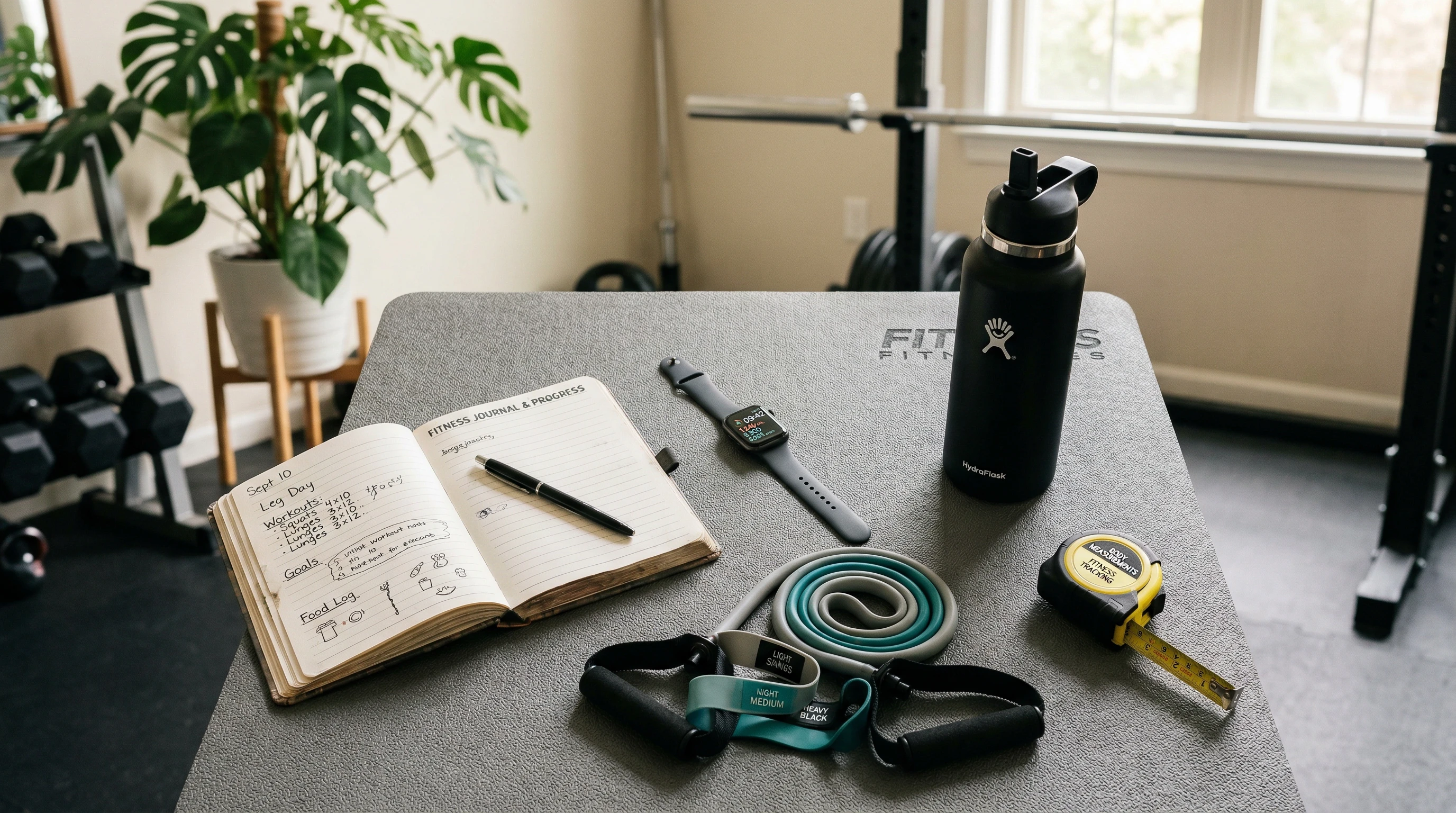
Weight loss adventures often start with excitement, but hitting obstacles is part of the process. It’s normal to get discouraged by setbacks that, with some planning and the right info, can be smoothed out. Here, I’ll walk you through some common weight loss pitfalls that people don’t see coming, plus some practical ways to steer clear and keep your progress on track, no matter what.

Understanding Common Weight Loss Mistakes
Trying to lose weight can be confusing, and it’s not always straightforward. From the latest diet fads to the countless supplements splashed across social media, the weight loss industry can trip up even the most motivated person. The U.S. weight loss market was valued at over $70 billion in 2023 (Statista), so it’s easy to see why so many people get overwhelmed. Keeping an eye out for common mistakes right from the start can help you set doable goals and make the adventure a whole lot less stressful.
Personally, I’ve hit more than a few weight loss speed bumps. After talking with nutritionists, trainers, and others on the same path, I noticed certain trip-ups pop up over and over. Learning about them makes it much easier to get real progress without unnecessary frustration.
Biggest Weight Loss Pitfalls
Unhelpful habits and beliefs can sink your weight loss plans, sometimes before you even spot them. Here are missteps to keep an eye out for:
- Going too extreme with diets: Trying to shed weight at lightning speed by drastically cutting calories usually backfires and can leave you drained.
- Skipping meals: It might seem like a shortcut, but you usually end up hungrier, and your metabolism can slow down.
- Cutting out whole food groups: Popular plans that kick out carbs or fat often aren’t sustainable for the long haul, and they can mess with your mood and energy too.
- Trusting supplements or weight loss teas: These products rarely offer real, lasting changes (NIH).
- Ignoring sleep and stress levels: These hidden factors play a huge role in how your body loses or gains weight.
- Not planning for setbacks: Many people give up after a single bad day or treat, but being prepared makes it easier to bounce back.
Practical Ways to Avoid Weight Loss Pitfalls
Dodging these mistakes comes down to habit tweaks and getting clear on what works for your body and mind. Here are some strategies that have gotten results for me and others:
- Set realistic goals: Aim for steady, gradual loss—about 1-2 pounds per week (CDC). That makes gains more solid and easier to maintain.
- Eat regular balanced meals: Skipping meals might save calories in theory, but in practice, it leads to stronger cravings and overeating later.
- Focus on wholefoods: Think veggies, lean proteins, healthy fats, and whole grains. These powerhouses fill you up and keep hunger in check.
- Plan for cravings and emergencies: Meal prepping or packing healthy snacks can stop grab-and-go temptations from derailing you.
- Practice self-compassion: Expect the occasional slip-up. Being too harsh on yourself often derails progress more than the mistake itself.
- Watch sleep and stress: Both can turn up cravings, shrink motivation, and slow your metabolism. Prioritizing sleep is well worth it (Sleep Foundation).
- Stay active in fun ways: Getting in motion daily, even if it’s a walk or dancing around the house, can boost your metabolism and mood.
Extra Tips For Specific Challenges
No two people are the same, so your approach might need some fine-tuning along the way. If you’re stuck on a plateau or can’t break through frustration, try some of these solutions:
Managing Weight Loss Plateaus
It’s normal for your weight to level off from time to time. This usually means your body is adjusting or that you need to mix up your routine. Try a new workout, tweak your food portions, or double-check your sleep habits. Tracking your food for a week can also help you spot sneaky calories creeping in.
Handling Emotional Eating
Boredom, stress, and sadness often drive us to comfort foods. When a craving hits, pause for a moment—are you truly hungry or just looking for comfort? Walking, calling a friend, or journaling can serve as great alternatives. For more on this, check out Psychology Today.
Staying Motivated
When progress slows, it helps to track more than just pounds lost. Pay attention to how your energy, mood, or clothes fit. Celebrate these wins to feel encouraged, even when the scale stands still.
Common Reasons Weight Loss Stalls
- Eating too little: Drastically cutting calories can slow metabolism, making it harder to keep losing.
- Dining out too much: Restaurant foods often sneak in extra fats and sugars. Checking the menu ahead or picking lighter options keeps calories in check.
- Guessing portion sizes: It’s easy to overeat healthy food. Try using your hand as a guide: a palm for protein, a fist for carbs, and a thumb for fats.
- Missing liquid calories: Beverages like high-sugar coffee, juice, and alcohol add up quicker than most people realize.
- Battling poor sleep or ongoing stress: Tiredness and worry crank up cravings and slow your body’s calorie burn.
Helpful Tools and Resources
Using trusted apps and websites can make tracking your journey a lot more manageable. Here are my top picks:
- MyFitnessPal – For logging food, water, and activity with ease.
- ChooseMyPlate.gov – Find meal ideas and guidelines for a balanced plate.
- Sleep Foundation – Tips and insights for giving your sleep a boost so your weight loss can benefit.
- Academy of Nutrition and Dietetics – Your go-to for solid, evidence-based nutrition tips.
Frequently Asked Questions
I hear a ton of questions from friends and readers. Here’s a mini roundup to save you the guesswork:
Question: Is it bad to lose weight too quickly?
Answer: Losing weight extra fast usually means your body is dropping muscle and water, which sets you up to regain it later. Slow and steady weight loss—1 to 2 pounds per week—is proven to last longer and be healthier. (CDC)
Question: Should I do cardio or strength training?
Answer: Cardio burns calories quickly, but strength training helps you keep or build muscle, which increases your metabolism even when you’re not working out. Mixing both offers the best results. (Harvard Health)
Question: Are cheat meals okay?
Answer: Enjoying a treat now and then can help you stick with your plan. Keep it balanced and thoughtful so one meal doesn’t turn into a string of old habits.
Bringing It All Together
Dodging weight loss mishaps takes patience and a focus on routines that suit your lifestyle instead of quick fixes. Mistakes are not failures—they’re feedback showing you what to change. The more you know about what holds people back, the more likely you are to carve out steady, lasting results.
Remember, losing weight is about building health and enjoying life, not just watching the numbers on a scale. Moving forward with small steps, honest check-ins, and an open mind makes the ride smoother—and makes your wins feel that much better.
About the Author