CrossFit can feel intimidating when you’re first starting out, but it’s also one of the most effective fitness programs for building strength, endurance, and confidence. Starting can be a little overwhelming since you see a mix of movements, strange equipment, and folks seemingly flying through tough workouts. I’m here to break it down in a simple, friendly way so you can step into your first class feeling ready.

What Is CrossFit? Understanding the Basics
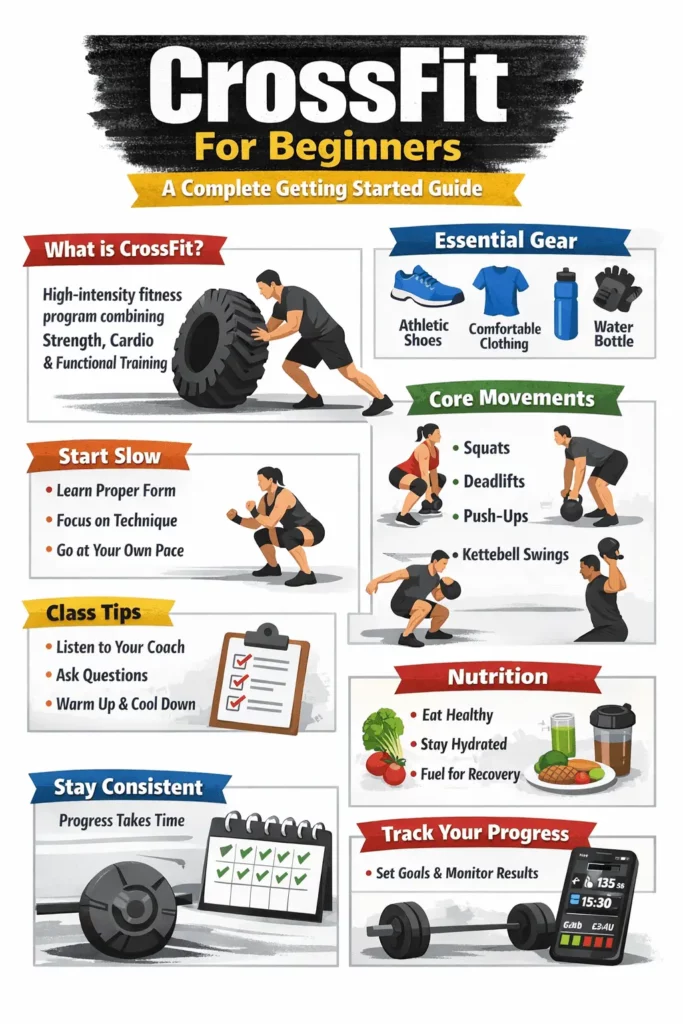
CrossFit is a high-intensity fitness program blending weightlifting, cardio, and bodyweight exercises in varied combinations. The goal is to push your limits across multiple areas, such as strength, agility, endurance, and flexibility, all within a supportive community setting. CrossFit was started in the early 2000s by Greg Glassman and quickly grew into a global movement. Workouts are built on “constantly varied functional movements performed at high intensity,” which basically means you’ll be doing a little bit of everything, and it rarely gets boring.
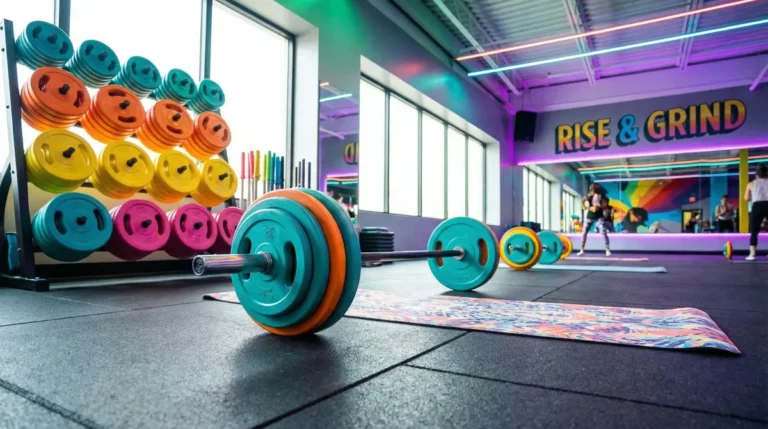
One thing that sets CrossFit apart is the sense of camaraderie. People from all fitness backgrounds show up, work hard together, and support each other, something you’ll notice right away. Many gyms (called “boxes” in CrossFit lingo) offer beginner programs or introductory sessions to help you ease into the format and learn the ropes. You’ll immediately see that the environment is created to be motivating, not intimidating.
More on the history and philosophy of CrossFit is available at CrossFit’s official site.
What to Expect in Your First CrossFit Class
Your first class or introductory session might look a little different depending on the gym, but there are some things I’ve noticed almost every beginner experiences:
- Warm-Up: These usually include light cardio and dynamic stretching to get your body ready.
- Skill or Strength Work: Your coach will walk you through new exercises or lifts, focusing on proper form before adding weight or speed.
- WOD (Workout of the Day): This is where the main workout happens. It’ll be a mix—think squats, pushups, kettlebell swings, or rowing—often done as fast as possible (with good form).
- Cool Down & Mobility: Some form of stretching or mobility work to help your body recover.
You’ll hear terms like AMRAP (As Many Rounds As Possible), EMOM (Every Minute On the Minute), and RX (as prescribed without modifications). These can seem odd at first, but they become familiar after a few classes. A key thing to remember: Nobody is judging your skill or speed; everyone started at the beginning. Coaches focus on getting you comfortable and safe during those first sessions.
Key CrossFit Terms Every Beginner Should Know
Walking into a box for the first time, you may feel like you’ve stepped into another world. CrossFit uses its own lingo and acronyms, so here are some I found really useful to learn upfront:
- Box: The CrossFit word for gym.
- WOD: Workout of the Day. This is the main block of the workout.
- MetCon: Metabolic Conditioning, usually a sweaty, intense part of the WOD.
- RX: Doing a workout exactly as written, without scaling or modifying.
- Scaled: Modifying a workout (changing weight or movement) to fit your ability.
- PR: Personal Record. The best you’ve ever done for a certain lift or workout.
- Rep: One complete motion of an exercise.
- Set: A group of consecutive reps.
- AMRAP: As Many Rounds (or Reps) As Possible in a set time.
- EMOM: Every Minute On the Minute.
Learning these terms early helps you understand what the coach is talking about and makes it easier to follow along in class. Getting familiar with the language makes CrossFit feel a lot more approachable very quickly.
Essential Gear and What to Bring
You don’t need a ton of fancy gear to start CrossFit, but a few basics can make the experience a lot smoother. Here’s what I usually recommend for beginners:
- Comfortable gym clothes: Breathable, stretchy shirts and shorts or leggings let you move freely.
- Flat, stable shoes: Brands like Nike Metcon or Reebok Nano are popular, but any crosstraining shoe that doesn’t have a raised heel does the trick.
- Water bottle: CrossFit workouts get sweaty, so staying hydrated is really important.
- Small towel: Always handy for sweat and floor work.
- Notebook or app: Tracking your workouts helps you see progress. Apps such as Strong App and HEVY are great for this.
The gym usually supplies gear like barbells, kettlebells, jumpropes, and medicine balls. As you advance, lifting shoes, wrist wraps, or knee sleeves might be worth checking out, but those aren’t needed when you’re just starting. Don’t worry about buying all the extras right away. Focus on showing up consistently first.
Common Movements You’ll See in CrossFit
CrossFit covers a ton of different movements. Some basics regularly show up in beginner classes. Here are a few you’ll likely see:
- Air Squats: Done with just your bodyweight, these are perfect for building leg and hip strength.
- Pushups: Great for upper body and core strength.
- Deadlifts: Lifting a barbell from the floor up to standing position. Coaches make sure you’re using safe form.
- Kettlebell Swings: Explosive movement using hips and glutes to move the weight overhead or to chest height.
- Box Jumps: Jumping onto a sturdy box or platform. Start low and work your way up over time!
- Rowing: Using the rowing machine for all-over conditioning.
- Pullups or Ring Rows: Ring rows are often used to build pulling strength if you don’t have pullups yet.
- Burpees: A combo of a squat, pushup, and jump. Tough, but super effective!
For a broader look at foundational CrossFit movements, check out this movement library from CrossFit’s official movement guide. The variety keeps things fun and prevents boredom, while also challenging every part of your body.
Scaling and Modifying: Making CrossFit Work for You
CrossFit is super big on making sure every workout fits each individual. If you see people in class doing tons of pullups or lifting heavy weights, don’t worry. Coaches are pros at scaling (modifying) exercises so everyone gets a great workout without overdoing it. I’ve seen brand new members start with ring rows or banded pullups before working up to unassisted ones. Box jumps become stepups, pushups can be done from your knees or on an incline. The important thing: You’re here to move and get stronger, not compete with anyone but yourself.
Open communication with your coach is key. If something feels off or painful, let them know, and they’ll help you with an appropriate option. Every session is built with your well-being in mind. Most gyms really welcome questions along the way.
Typical Beginner Mistakes and How to Avoid Them
I’ve made my share of rookie errors, and these come up a lot for new CrossFitters. Here are a few common mistakes and how to avoid them:
- Going too hard, too fast: Trying to keep up with experienced athletes can lead to burnout or injury. Start slow and listen to your coach and your body.
- Ignoring technique: Learning good form early helps prevent injuries and helps you see faster progress.
- Skipping rest days: Recovering is as important as the workout. Take rest days and use mobility routines to stay fresh.
- Comparing your progress: Motivation is great, but focus on your own improvements. Everybody progresses at their own pace.
- Poor nutrition or hydration: CrossFit works best when you fuel your body well and drink enough water.
Being aware of these will help you stay consistent and enjoy your training. Here’s a helpful guide from Adamas Crossfit if you want to read more. Don’t be afraid to share your questions or hesitations with your coach; most have been there before and like to help beginners succeed.
Pacing, Progress, and What Results to Expect
Everyone wants to see progress right away, but the reality is that CrossFit changes your body and mind steadily over time. The first few weeks, you’ll notice better energy levels, improved coordination, and new abilities, sometimes lifting a heavier weight or running a bit faster.
After a couple months, strength gains and endurance start to show. Muscle tone improves and daily activities, like carrying groceries, feel a lot easier. Over time, many people find CrossFit builds not just fitness but the confidence to try new things and stick with healthy habits outside the gym too. CrossFit can also bring a real sense of accomplishment and community that carries over to everyday life.
Setbacks happen for everyone, and occasional soreness or frustration is normal. Celebrate every small win; each new movement, higher jump, or extra pushup is a sign you’re building a stronger foundation. Remember: this is your adventure, and consistency is your best friend. If you’re curious about others’ real-life progress stories, this post at Johns Creek Crossfit shares a great overview of what many people experience in their first months of CrossFit.
Nutrition Tips for New CrossFitters
CrossFit pairs well with solid nutrition, but you don’t need a fancy meal plan just to start out. Here’s what helped me most:
- Eat whole foods: Meals rich in veggies, lean protein, and good carbs keep you fueled.
- Don’t skip meals: You’ll want steady energy for high-intensity workouts.
- Drink water: Especially before, during, and after class.
- Fuel after class: A mix of protein and carbs within an hour of working out helps with recovery and muscle growth.
Many CrossFitters look into nutrition frameworks like the Zone Diet or Paleo Diet, but what’s most important for beginners is eating enough to support movement and recovery. Even just making a few healthy swaps makes a noticeable difference quickly.
How to Choose a CrossFit Gym (Box)
I recommend visiting a few local boxes and chatting with the coaches. Look for these traits:
- Friendly, supportive staff: Coaches who pay attention, offer feedback, and ask about your goals.
- Clean, well-equipped facility: It doesn’t need to be fancy, just organized and safe.
- Intro program: Many good gyms offer a beginner course or one-on-one session to help you get started.
- Community vibe: A welcoming group makes it much easier to stick around and stay motivated.
Online reviews and first-hand visits help too. Some gyms post sample WODs or upcoming events on their websites or social media; definitely worth checking out before you sign up. Don’t be shy—most coaches like to introduce new people and answer questions before your first class.
Real-World Tips for CrossFit Beginners
Here are a few things that made my start smoother, and that coaches often tell new members:
- Arrive a few minutes early; that way you aren’t rushed and you can ask questions or talk to other members.
- Let your coach know about any injuries or concerns.
- Track your progress for extra motivation. Little victories add up fast.
- Don’t stress if you can’t do every movement at first; build up gradually.
- Celebrate each step: new skills, faster times, or the confidence to try tougher workouts.
- Pay attention to rest and recover as much as the workouts themselves. Balance is key for steady improvement and avoiding burnout.
- Stay patient and show up consistently – this is often the biggest difference-maker for long-term progress.
Frequently Asked Questions
Question: Is CrossFit safe for beginners?
Answer: Yes, as long as you listen to your coach, use proper form, and scale workouts to your fitness level. Coaches are trained to help you build up strength safely and efficiently.
Question: How often should I do CrossFit as a beginner?
Answer: 2-3 classes per week is a good place to start. This gives your body time to adapt and recover. As you get used to the intensity, you can add more sessions if you’d like. More details on frequency can be found at CrossFit .
Question: What if I can’t do a certain movement?
Answer: No problem. There’s always a scaled option. Every CrossFit movement can be adjusted to fit your abilities, and most people progress to more advanced versions in their own time.
Question: Will I get bulky from CrossFit?
Answer: This is a common concern, but CrossFit tends to build lean muscle and improve athletic ability. Your body will get stronger, but major muscle growth comes from specific training and nutrition approaches.
Final Thoughts
Starting CrossFit might seem intimidating, but it really comes down to showing up, learning the basics, and sticking with it. The workouts are varied and always challenging, but getting fitter, faster, and stronger feels amazing. That supportive community vibe can be a real game changer too.
Staying consistent and keeping a positive mindset will take you a long way. Everybody’s progress looks different, so enjoy your adventure. For even more resources and inspiration, the official CrossFit website and lots of local gyms offer intro sessions and guidance at every step. Try a class, meet people, and see how fun it can be to get stronger together!
About the Author