HIIT (High Intensity Interval Training) is all about combining short bursts of intense activity with periods of rest or lower intensity movements. If you’re new to fitness or want to switch up your routine, HIIT is a flexible way to break a sweat, challenge your body, and see results in a much shorter time than you might expect. I’ve seen a lot of people start with basic routines, get hooked by the fast pace, and notice improvements in energy and stamina quite quickly. Here’s how you can get started and what to know before you get into your first HIIT workout.
Why HIIT Training Works for Beginners
HIIT training isn’t limited to advanced athletes or gym veterans. It’s actually a pretty smart approach for anyone just getting into a fitness groove thanks to its efficiency, adaptability, and minimal equipment requirements. The main idea is to push yourself for a set time (let’s say 30 seconds to a minute), then take a short rest, and repeat. Most HIIT sessions last between 10 and 30 minutes, and, trust me, that’s plenty if you’re giving your best effort during those high intensity intervals.
HIIT first became popular with athletes looking for ways to boost their cardio endurance. Over time, it’s made its way into group classes, online workouts, and home routines because it can be done by almost anyone, regardless of fitness level. Research shows that HIIT can improve cardiovascular health, burn fat, and build muscle, even with just a few workouts a week (Healthline – HIIT Benefits).
The appeal for beginners is huge. You don’t need to spend hours in the gym for major results; HIIT gives you a way to fit effective exercise into even the busiest schedule. Since many sessions focus on bodyweight moves instead of heavy weights, there’s a very low barrier to get started. You’re also able to adjust the moves and timing to match your current fitness level, which means there’s very little risk of feeling left behind.
What Makes a HIIT Workout (And Why It’s So Effective)
Every HIIT session follows a pretty familiar pattern: periods of hard, all out effort (like sprints, burpees, or jump squats), mixed with a set recovery time (standing, walking, or gentle movement). You’re alternating between pushing your heart rate up, then letting it come down, which keeps your body guessing and boosts your metabolism. Here are a few terms you might run into:
- Interval: The high effort piece of the workout (like 20 seconds of mountain climbers).
- Recovery: The slower, gentler period when you catch your breath (about 10 to 60 seconds).
- Rounds: The number of times you repeat your interval and recovery combo (often 4 to 8 rounds for each set of moves).
A lot of HIIT routines use familiar bodyweight moves, which makes them perfect if you’re working out at home. Others might include simple gym equipment like dumbbells or resistance bands once you’re ready to try more challenging moves.
HIIT is so effective largely because of a process called EPOC (Excess Post Exercise Oxygen Consumption), where your body keeps burning calories even after the workout is over. This means you get more out of each minute you put in. Even after finishing a brief session, your body continues to work, boosting your recovery and metabolism for hours post workout.
Steps to Successfully Begin HIIT Training
Starting off on the right foot and avoiding burnout or injury means paying attention to some HIIT basics. I always suggest keeping things simple when you first try this style. Here’s a simple roadmap to guide you:
- Check in with Your Doctor: Especially if you have any existing health concerns or are totally new to exercise. HIIT is intense, so it’s smart to get a green light.
- Warm Up Properly: Take 5 to 10 minutes to get your muscles ready. Light jogging, jumping jacks, or arm circles all help.
- Master the Basics: Begin with classic bodyweight moves like squats, jumping jacks, high knees, push ups, or planks. Good form matters more than speed.
- Set an Easy Enough Timer: Try working hard for 20 seconds, then resting for 40 seconds, and repeat for 10 to 15 minutes. Your intensity intervals can get longer once you’re comfortable.
- Listen to Your Body: HIIT isn’t about pushing to the point of pain. Aim for 6 to 7 out of 10 on your personal effort scale, especially at first.
Starting with a gradual pace means you’ll build a solid foundation. Most people notice their stamina and confidence growing within just a few sessions, and you can increase the challenge as you go.
Common Challenges for HIIT Newbies (And How to Tackle Them)
HIIT training is pretty approachable, but there are a few common roadblocks that can pop up for beginners. Knowing what to expect helps you push through the awkward early phase:
- Bouncing Back from Soreness: It’s totally normal to feel some muscle soreness, especially after your first few sessions. Light stretching, foam rolling, and staying hydrated can really help.
- Knee or Joint Discomfort: Moves like jump squats and burpees are tough on joints if you’re not used to them. Swap in lower impact versions (like step squats or incline push ups) until you build strength.
- Feeling Discouraged: HIIT can feel pretty intense, and you might wonder if you’re “doing it right.” Start with familiar moves, pause as needed, and remember that progress is different for everyone.
- Some Moves are Tricky: If something doesn’t feel right (like shoulders or wrists during planks), try a modification or swap for a move that targets the same muscle group with less strain.
- Pacing Yourself: It’s tempting to go full throttle right away. Keeping some energy in reserve usually leads to a better workout and reduces the risk of burnout.
Muscle Soreness and Recovery
You’ll probably feel sore, especially in your legs and core, after your first HIIT session. Soreness generally gets less intense over time, but it never really goes away. Rest, mobility work, and getting good sleep all speed up the bounce back process. If you’re extremely sore, doing a gentle walk or some stretching can be enough for your next workout.
Making Moves Beginner Friendly
Not every exercise is one size fits all. If you find jumping exercises or push ups too tough, use alternatives. For instance, replace jump lunges with reverse lunges or switch to push ups on your knees. Building strength before adding impact is a smart move, and it helps keep you injury free.
Workout Burnout
Going as hard as possible at every single session can wear you out. Set a goal to do HIIT twice per week to start, spacing sessions out so you can recover. When you’re ready, you can increase to three or even four days, but rest days are non negotiable. It’s always better to keep a sustainable rhythm than push through unnecessary fatigue.
HIIT training has a reputation for being “tough” for a reason. With simple modifications and good pacing, it’s very doable for beginners.
HIIT Tips for Getting the Most Out of Every Session
Getting started is only half the story. It’s all about making sure your workouts are enjoyable and help you keep building momentum. Here are a few things that work well for newbies:
Focus on Consistency, Not Perfection: It’s better to do three solid 15 minute HIIT workouts a week than a single, super hard session that wipes you out. Regularity really matters.
Track Your Progress: Keep a simple journal of what moves you did, how you felt, and when you noticed improvements (like easier squats or longer planks). Even small wins make a big difference in motivation.
Mix Up Your Moves: Bored of jumping jacks? Try mountain climbers, high knees, skaters, or plank variations. Swapping between different exercises helps you avoid plateaus and keeps your brain engaged.
Use Music or Timers: Upbeat playlists or interval timer apps can help you push through tough intervals. Experiment to see what fires you up.
Stay Hydrated: HIIT can be sweaty work. Drink water before, during, and after to help with recovery and performance.
These little tweaks are straightforward but super useful if you want HIIT to become a regular and rewarding part of your routine. Your body and mind will thank you as you keep going.
Sample Beginner HIIT Routines
Not sure how to put a workout together? Here are two simple HIIT routines that work well for beginners. No equipment needed:
20 Minute Bodyweight HIIT Workout
- Jumping Jacks, 30 seconds
- Rest, 30 seconds
- Bodyweight Squats, 30 seconds
- Rest, 30 seconds
- Push Ups (regular or knees), 30 seconds
- Rest, 30 seconds
- High Knees, 30 seconds
- Rest, 30 seconds
Repeat the cycle 3 more times (for a total of 4 rounds) and cool down with some light stretching.
Low Impact HIIT Routine for Beginners
- March in Place or Step Touch, 30 seconds
- Rest, 30 seconds
- Reverse Lunge (alternating legs), 30 seconds
- Rest, 30 seconds
- Wall Push Ups, 30 seconds
- Rest, 30 seconds
- Knee Raises, 30 seconds
- Rest, 30 seconds
Repeat for three rounds and finish with stretching. Low impact routines like these can help you ease into HIIT if you haven’t exercised in a while or if you’re returning after an injury.
As you stick with HIIT, you can cycle in new moves or add light weights to increase challenge. Moves like lateral shuffles, squat holds, or modified burpees are great ways to keep things fresh without overcomplicating your workout. Keeping creativity in your routine will prevent boredom and help you stay on track.
What Gear Do You Need for HIIT?
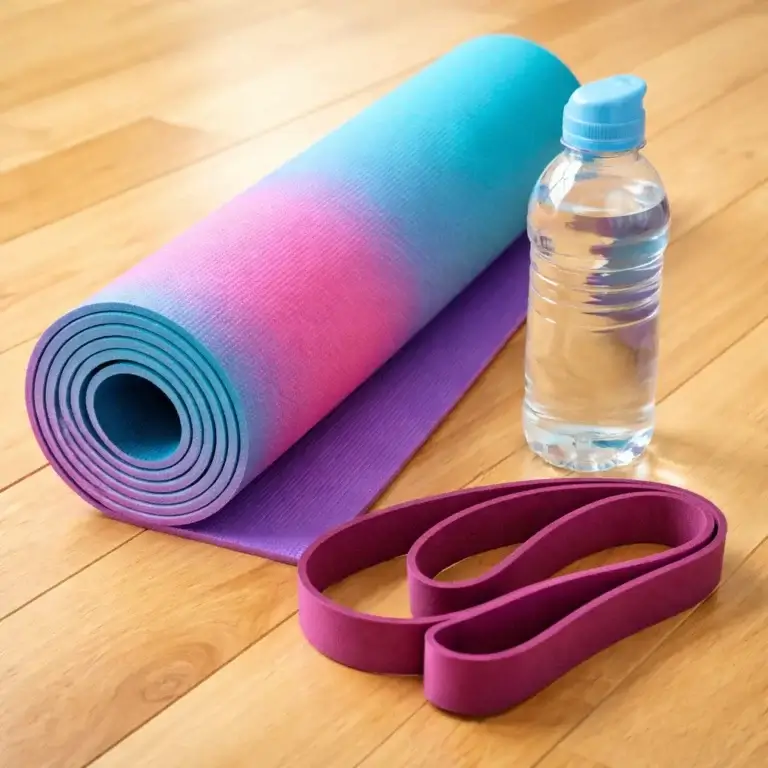
One great part about HIIT is that you really don’t need much. Most workouts can be done with just your body, a clear space, and a timer (your phone works perfectly). As you progress and feel ready for variety, you can add:
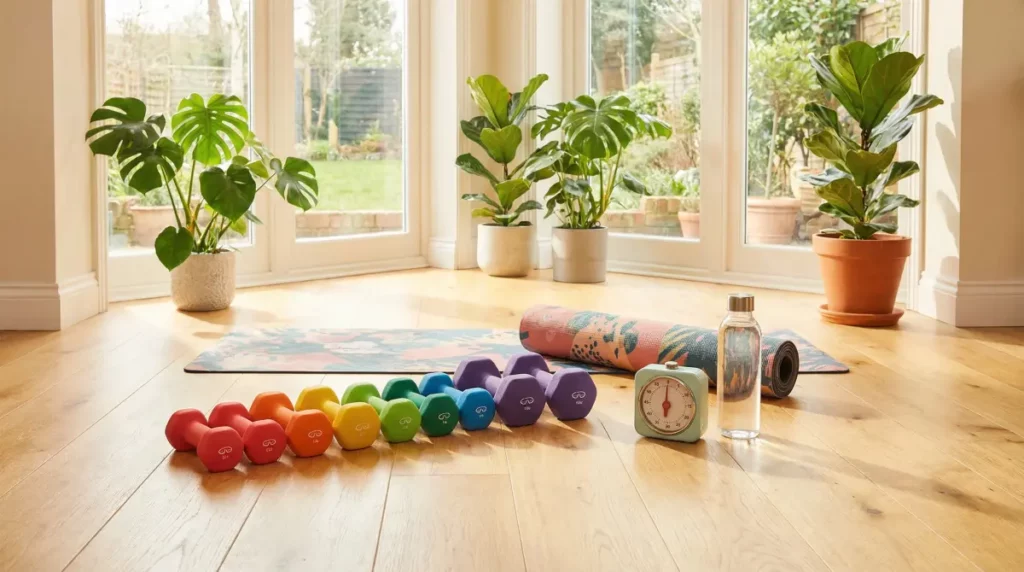
- Exercise Mat: Great for floor work (like planks or situps) to keep things comfortable.
- Light Dumbbells or Resistance Bands: These can add a challenge to certain moves, like lunges or rows, once you’ve got the basics down.
- Water Bottle and Small Towel: Since HIIT pushes your cardio, it’s nice to keep water and a towel nearby for quick breaks.
If you have access to a gym, you can try things like kettlebells, medicine balls, or a treadmill for sprint intervals. But for starting out, a mat and a little open space at home are totally enough. Even household objects like heavy books or cans can fill in if you want extra weight! A quality exercise mat is essential for comfort and joint protection—check out these durable, beginner-friendly mats from this trusted sporting and fitness supplier 👉
Beginner FAQs for HIIT Training
These are a few questions I get a lot from folks taking their first steps into HIIT workouts:
Question: How many times a week should a beginner do HIIT?
Answer: Twice per week is a great starting point. See how your body feels and only bump up the frequency if you recover well and feel excited for more.
Question: How long should each HIIT session be?
Answer: Most beginners do well with 10 to 20 minutes of work (excluding the warm up and cool down). You don’t need marathon length sessions to see benefits.
Question: What’s the best HIIT move to start with?
Answer: Simple bodyweight moves like squats, lunges, high knees, and jumping jacks are perfect for beginners. They get your heart rate up without needing any fancy equipment or experience.
Question: Can I do HIIT at home?
Answer: Absolutely. HIIT is perfect for home workouts because it often needs zero equipment and takes up hardly any space. A timer and some energy are all you need.
Question: How do I avoid injury when starting HIIT?
Answer: Focus on form over speed, begin with lower impact moves, and always warm up and cool down properly. If something hurts (not just “hard,” but actually painful), pause, modify, or swap it out.
Question: What if I can’t do high impact exercises?
Answer: No problem! Modify as needed. Marching in place or stepping out instead of jumping are great options, and wall push ups can be used for upper body work. Progress at your own pace.
Key Takeaways for Beginners Starting HIIT
HIIT training is popular with beginners for a reason. It gets your heart pumping, challenges muscles, and doesn’t need a bunch of gear or a gym membership to get started. The real magic is in keeping things consistent and making adjustments as you get stronger and more confident. Just remember: start slow, prioritize good form, and let yourself have a little fun with it. The energy boost and sense of progress can be really motivating, and there’s always another move or workout style to try as you go. With time, you’ll see your stamina increase, your muscles get stronger, and your confidence with new exercises grow. Enjoy the ride and keep mixing things up to make every session something to look forward to!

About the Author