
Tracking progress and staying motivated are two of the biggest challenges for anyone burning fat through workouts. I’ve definitely had those days where it feels like nothing is changing or motivation dips, especially when results show up slowly. The good news is, there are some practical ways to stay on track and keep your head in the game. These strategies make your workouts feel more rewarding and less like a chore.
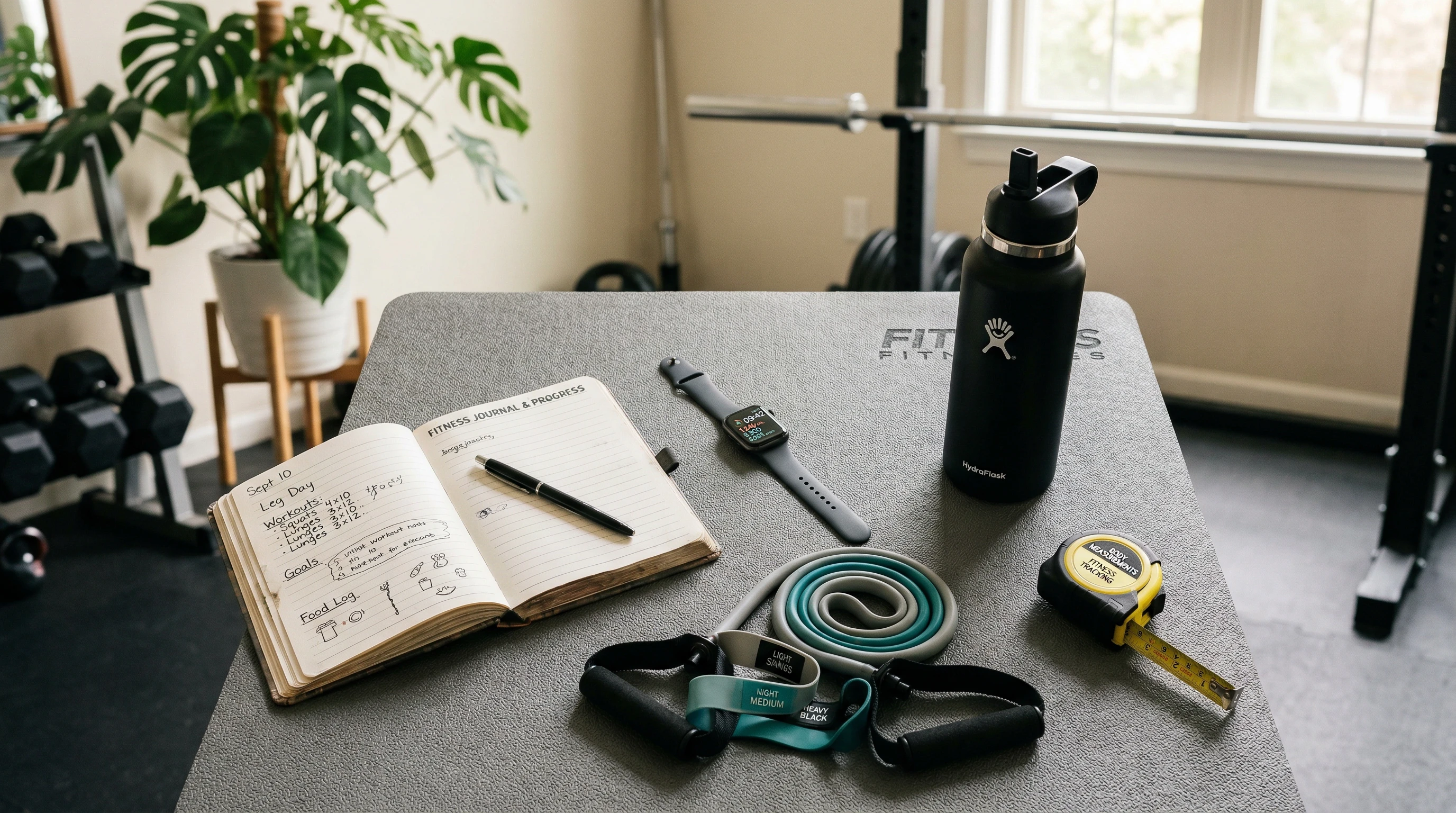
Why Tracking Progress During Fat Burning Workouts Helps
Seeing your own progress is really important for motivation. If you’re anything like me, noticing even small changes keeps the energy going. Tracking helps you get around the common problem of feeling stuck. It also helps you catch patterns and see what actually works for your body.
According to the CDC, keeping a regular log can help people lose more weight and keep it off compared to those who don’t track at all (CDC on self-monitoring). It’s not about obsessing over numbers. Instead, it’s about giving yourself clear feedback and boosting that sense of progress.
Setting Goals That Keep You Motivated
It’s easy to lose steam with fat burning workouts if you don’t have clear goals in mind. Vague goals like “lose weight” or “get toned” don’t really move the needle when you’re tired during a tough circuit. Instead, concrete and realistic targets go a long way.
- Choose SMART goals: These are goals that are Specific, Measurable, Achievable, Relevant, and Time-bound. For example: “I want to reduce my waist size by 2 inches in 8 weeks.”
- Break big goals down: Rather than focusing only on a long-term goal, try weekly or biweekly challenges. Even something like “do 3 interval sprints this week” adds structure and keeps things interesting.
- Celebrate small wins: Hitting a new personal best or finishing an extra workout is worth a reward. It adds fun and positive reinforcement along the way.
If you want some tips for setting solid fitness goals, the Mayo Clinic offers a straightforward guide: Mayo Clinic fitness goal advice.
Tools and Apps to Track Your Fat Burning Adventure
There are tools for just about every kind of tracker you might want. Some are super advanced, and some are almost oldschool, but all are worth checking out to find something that fits your style.
- Fitness Trackers & Smartwatches: Devices like Fitbit, Garmin, or Apple Watch can count steps, calories burned, heart rate, and keep up with your daily activity. They’re handy for folks who love seeing instant feedback.
- Apps: MyFitnessPal, LoseIt!, and Cronometer make tracking your nutrition and workouts easy. Many have barcode scanners and a huge food library, which makes daily logging less of a chore. Learn more at MyFitnessPal.
- Pen & Paper: Sometimes jotting notes in a notebook feels more personal. You can create charts and spot progress at a glance. If you need inspiration, check out some fitness journaling tips from Verywell Fit.
What Metrics to Actually Track?
- Progress Photos: Take a photo once a week under similar conditions. The scale doesn’t always tell the full story, but visual proof is motivating.
- Measurements: Checking your waist, hips, arms, and legs gives you more info than weight alone, especially if you’re building muscle while burning fat.
- Workout Performance: Record your reps, sets, rest time, and the weights you’re lifting, or the intensity of your cardio sessions.
- Energy Levels: Note how you feel before and after workouts. This is a big one for staying positive on days when changes are subtle.
Overcoming Obstacles & Plateaus in Fat Burning Workouts
Plateaus hit everyone and can zap your enthusiasm. When your fat burning progress stalls, it usually means your body is getting used to your current routine. Switching things up and paying attention to details can help you break through.
- Switch up your routine: If you always do steady state cardio, try interval training. If you mostly lift weights, add a HIIT session. New challenges make your body adapt and keep things fresh.
- Revisit your eating habits: Tracking your food intake for a few days might help you spot changes you’ve missed. Sometimes extra calories sneak in and affect your results.
- Get more sleep: Not enough sleep can slow your metabolism and weaken your motivation. Prioritize rest as part of your fat burning mission. For more on the link between sleep and fat loss, check out this Sleep Foundation guide.
Staying Mentally Motivated When Progress Feels Slow
Sometimes your body is changing even when the scale seems stuck. Focus on non-scale victories. Maybe your clothes fit better, you have more energy, or you recover faster after workouts. These little shifts keep you positive while the bigger results come over time.
Connecting with friends or online communities can help a lot. Sharing your progress through Instagram, a Facebook group, or even just texting buddies adds accountability and a sense of fun. There’s no shame in asking for a little pep talk when you need it!
Advanced Tips for Staying on Track
Once you’ve covered the basics, trying out advanced options can give your motivation a boost. Here are some ideas I’ve found helpful:
Use a Training Program: A solid plan, like a couchto5k app or a structured 12week workout series, removes “guesswork fatigue.” It gives each session meaning and shows your next step.
Track Rest and Recovery: Managing fatigue keeps you from burning out. Add a rest day each week or use an app to check your sleep and recovery. Overtraining makes progress slow and motivation suffer. Learning to balance intense days with recovery is detailed at the American Council on Exercise site.
Visualize Your Progress: Stick a chart or calendar on your fridge and cross off workouts or track inches lost. It’s a great daily reminder of how far you’ve come.
Mini Rewards: Give yourself a treat for hitting a goal (think new shoes, a massage, or a fun activity). It makes sticking to your plan more enjoyable and acknowledges your hard work.
Challenges to Watch Out for When Tracking Fat Loss
- Obsession Over Numbers: It’s easy to get stuck watching the scale, but remember, muscle is denser than fat, and you can lose inches even if your weight doesn’t change. Use multiple ways to track progress for a more accurate picture.
- Forgetting Rest: Constant tracking can push you to do too much. Burnout hurts both your body and motivation. Schedule downtime as carefully as you do workouts.
- Comparing Yourself to Others: Everybody loses fat their own way. What clicks for one person may not work for you. Focus on your adventure and set your own benchmarks.
How to Get Past These Tracking Roadblocks
Mix up data-driven and intuitive motivation. If tracking starts to feel stressful, take a week’s break and tune in to how your body feels instead. Make a new playlist, explore a fresh workout style, or restart your tracker with a simple layout. Sometimes pressing reset brings back your groove.
How Progress Tracking Shows Up in Real Life
- Training for a 5K: Writing down runs, times, and distances on a chart let me see improvements over weeks. Even if my weight stayed the same, my endurance told the real story.
- Kettlebell Circuits: Recording the weights and circuits I finished showed real boosts in strength and stamina, often before I noticed changes in the mirror.
- Meal Tracking: Recording even little snacks at work made me realize how hidden calories were sneaking into my day and slowing my fat loss.
These stories prove tracking is about more than just numbers. It’s about building self-awareness, feeling proud of your progress, and building motivation from every small win.
Frequently Asked Questions
Question: How often should I check my weight or measurements?
Answer: Once a week gives you a good sense of trends without stressing about daily ups and downs. Try to check at the same time, in similar clothes, and on the same day each week.
Question: Do I need to track every calorie to burn fat?
Answer: Not always. Some people like detailed logging for clarity, but others prefer mindful or portion-based eating. Try both and stick with what feels sustainable. For more ideas, see the Harvard Mindful Eating Guide.
Question: What if I stop seeing results even though I’m tracking?
Answer: Mix up your workouts, check for hidden calories, focus on sleep, and monitor your energy levels. Sometimes a week focused on recovery is all you need to get moving again.
Wrapping Up
Tracking progress isn’t just about crunching numbers, and staying motivated isn’t about being fired up every single day. Picking smart goals, using practical tools, and finding support all add up to results you can see and feel. Stick to your routine and stay curious about what you can do. Progress can show up quicker than you imagine, and every step you take is well worth the effort.
About the Author