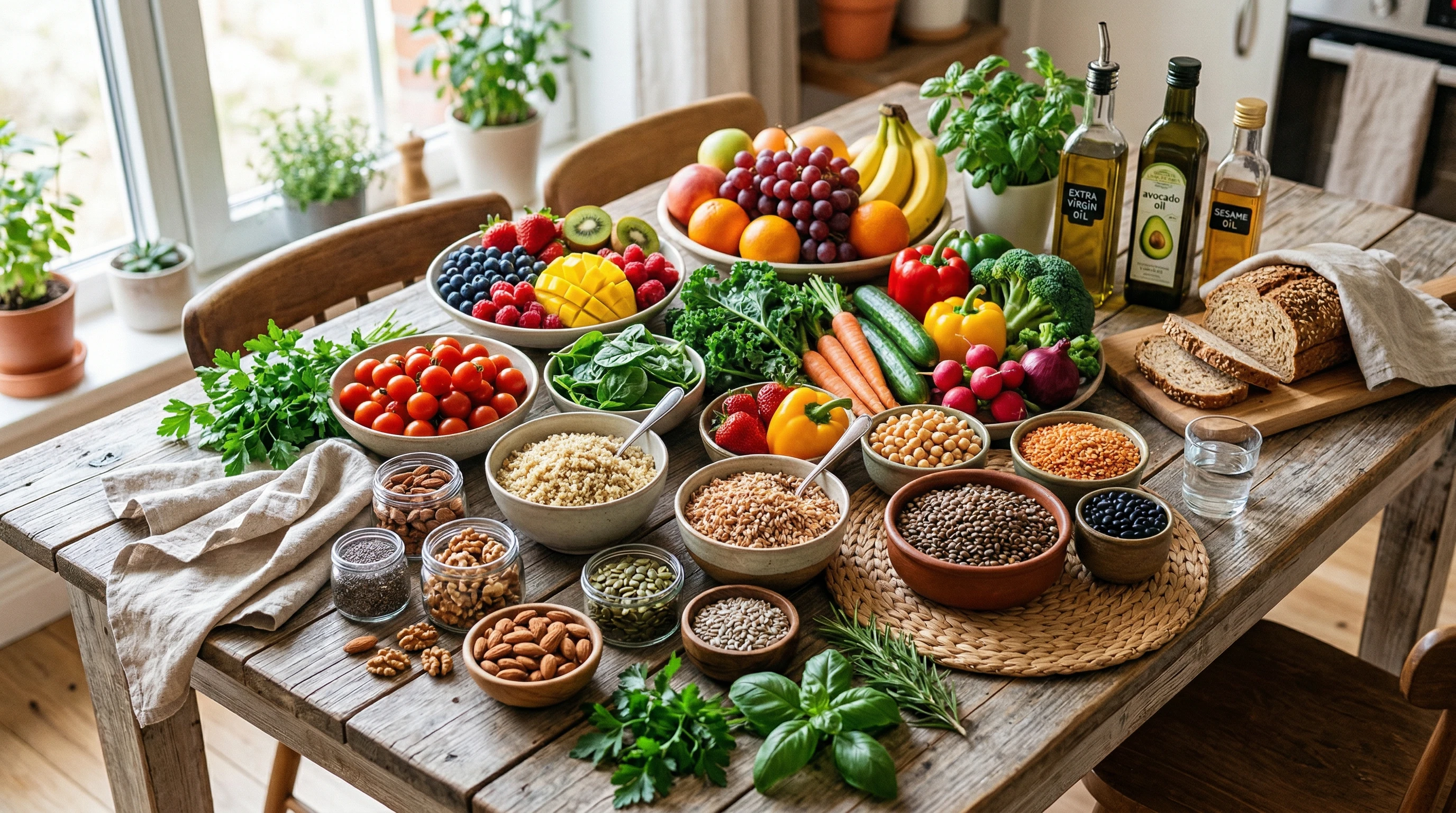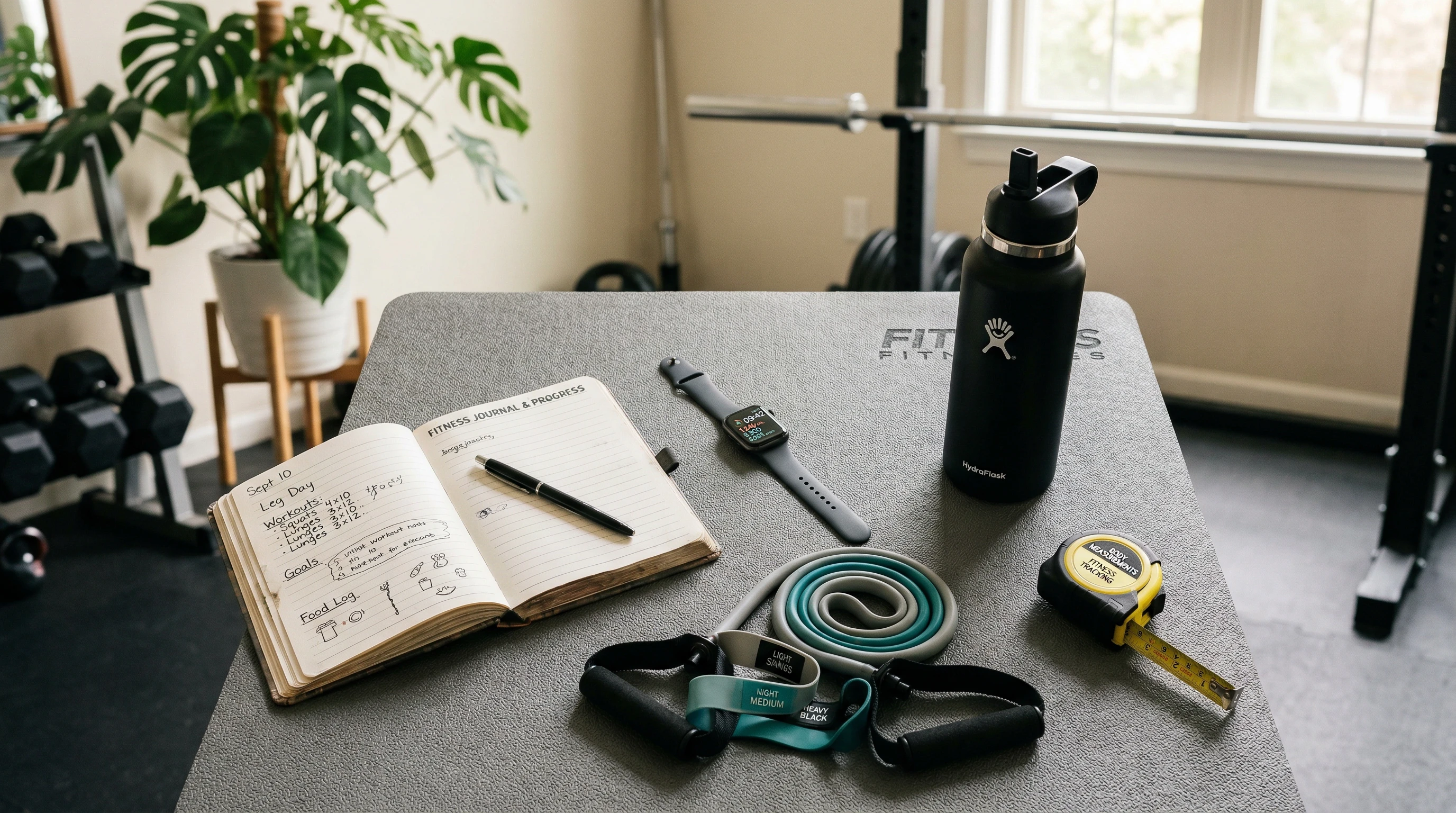
Your workout can definitely fire up your fat loss efforts, but what you eat has a huge effect, too. With the right nutrition habits, you’ll support your training, feel more energized, and keep those results coming. After years of trying different approaches and talking to fitness pros, I’ve picked up some super useful nutrition tips that can make a big difference when you’re focusing on fat burning. Here’s what I’ve found works in real life to help you get more out of every rep, sprint, or circuit you tackle.
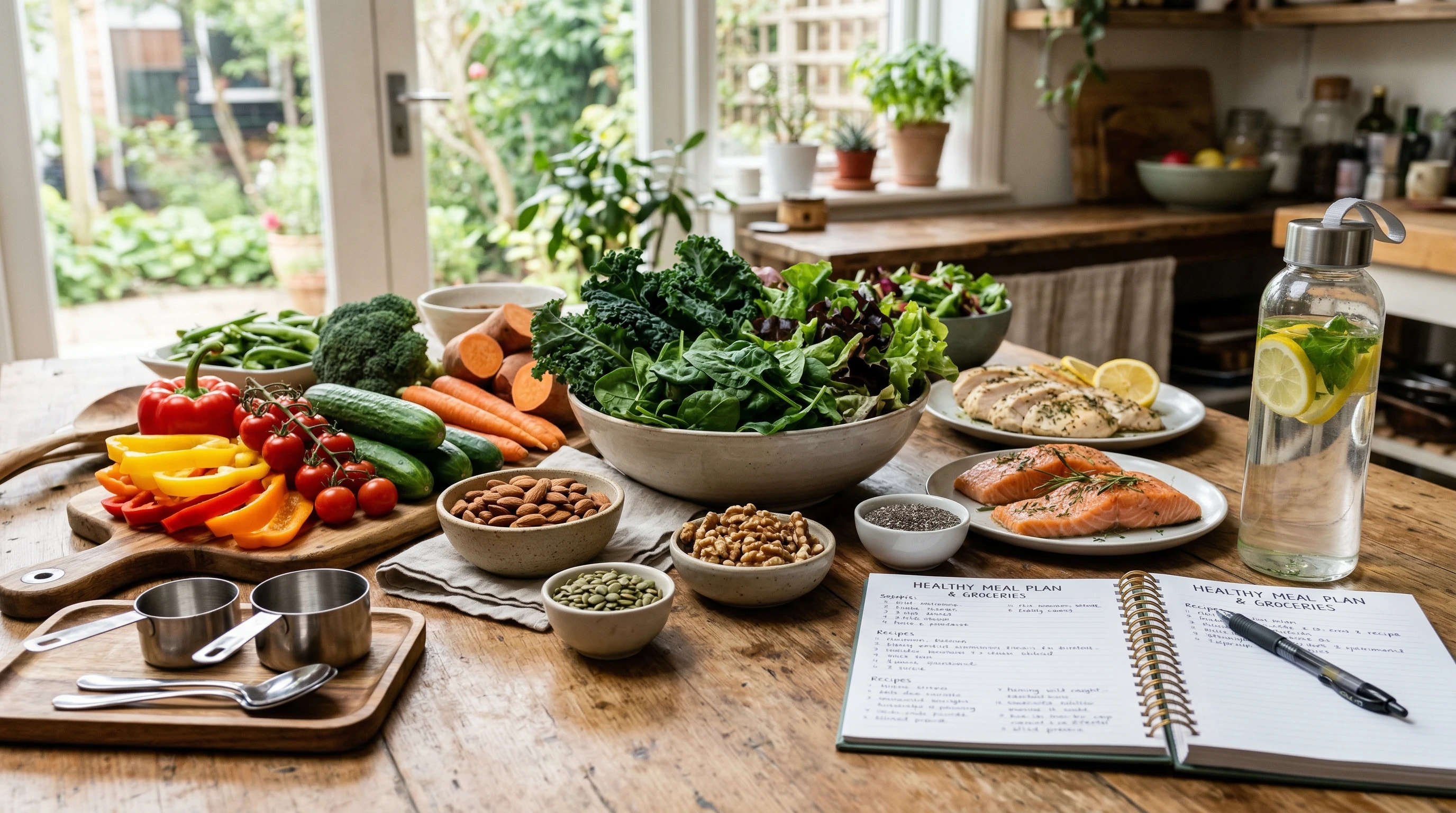
Why Nutrition Matters for Fat Burning Workouts
Nutrition works hand in hand with your workouts. Without the right fuel, even the best fat burning routine leaves you feeling sluggish or stuck. Your body needs enough of the good stuff, like protein, healthy fats, complex carbohydrates, vitamins, and water, to recover faster and push through tough sessions. What you eat can help your body shed fat as energy, maintain lean muscle, and bounce back quicker so you’re always ready for the next workout.
For anyone aiming for a leaner physique or better muscle definition, a solid nutrition plan makes all the difference. Research shows that combining exercise with balanced nutrition is way more effective for long term fat loss than just working out alone (see this study for details).
Basic Nutrition Principles to Support Fat Loss
The world of nutrition can definitely feel confusing, but I keep a few simple rules at the core of my own plan:
- Focus on whole, unprocessed foods: Think fruits, veggies, lean proteins, whole grains, and healthy fats.
- Keep your plate colorful: More colors usually means more nutrients and fiber.
- Watch your portions: Even healthy foods can add up in calories if you’re not paying attention.
- Aim for balanced meals: Mix up your carbs, fats, and protein in each meal to keep energy steady.
- Stay hydrated: Water helps with metabolism and keeps your energy up.
To work out how much you should be eating, tools like the USDA’s MyPlate are pretty handy for building balanced meals. Most folks aiming for fat loss find a modest calorie deficit while keeping protein up works well for preserving muscle. For more on calorie awareness, this article from the Academy of Nutrition and Dietetics breaks it down further.
Pre Workout Nutrition: What to Eat Before You Train
What you eat before your workout can make a big difference. You want enough energy without feeling overly full. Here’s what usually works for me:
- About 1-3 hours before exercise, aim for a small meal with carbs and protein, like oatmeal with berries and Greek yogurt, or a piece of whole wheat toast with nut butter.
- Keep fat and fiber moderate: Too much can slow digestion and leave you feeling heavy.
- Stay hydrated: Starting your workout well hydrated helps prevent fatigue. A big glass of water about 30 minutes before training is great.
If you’re training first thing in the morning and don’t have time for a proper meal, a small snack like a banana or a protein shake can help tide you over until breakfast. Even a handful of nuts or a few crackers with peanut butter will do in a pinch, especially if you’re on the go.
If you have enough time, pairing fruit with a small protein source—like half a turkey sandwich or boiled eggs—offers a steady energy boost. Adjust the size based on how hungry you are and the length of your upcoming session.
Post Workout Nutrition: Supporting Recovery and Fat Loss
Right after you work out, your body is primed to use nutrients to recover, repair, and build muscle. I try to eat within an hour after tough workouts. Here are a few simple options I like:
- A grilled chicken wrap with salad
- Greek yogurt with honey and berries
- Rice cakes with cottage cheese and tomatoes
- Protein shake with a handful of mixed fruit
The combo of protein and a bit of carbs works really well for most people. More on the science from the NHS. This brings protein to your tired muscles and helps refill your energy stores, keeping soreness to a minimum and recovery speedy. Try not to wait too long—delaying your meal can leave you feeling tired and ravenous, which might lead to overeating at your next meal.
Macronutrients: How Protein, Carbs, and Fats Fit In
Protein is especially important for anyone focused on fat loss, since it helps protect your muscle as your body burns fat for energy. I aim for a protein source at every meal, such as eggs, fish, chicken, tofu, or tempeh. Research suggests that higher protein diets can help with satiety and preserve lean mass (JISSN).
Carbs offer fuel for both your mind and your muscles, especially during high intensity workouts. Whole grains, starchy veggies, fruits, and beans are my go to sources. You can tailor portion sizes to your activity level for the day; more on training days, less on lighter days. Don’t be afraid of carbs if your activity demands them—they support energy and performance.
Healthy fats, like avocado, nuts, olive oil, and fatty fish, play a big role in hormone balance and satiety. I try to include at least some healthy fat at every meal to stay full and satisfied. Fats make food taste awesome, and they help keep you from feeling deprived.
Common Nutrition Hurdles and How To Handle Them
Sticking to a balanced nutrition plan isn’t always easy. Life gets busy, cravings strike, and meal prep falls off track. Here are some challenges I’ve hit, and what helped me stay on track:
- Busy schedule? Prepping meals in batches on Sundays saves me a ton of stress during the week. Portable snacks like nuts, protein bars, or fruit come in handy.
- Cravings or hunger? Eating enough protein and fiber keeps me full for longer, so I’m less likely to raid the pantry at night. Sparkling water or herbal tea also helps curb cravings.
- Eating out a lot? I scan the menu for baked, grilled, or steamed options with veggies instead of fried or creamy dishes. Asking for dressing or sauce on the side goes a long way.
- Low energy mid workout? Sometimes I add a few extra carbs to my preworkout snack, especially if I’m doing a longer or more intense session. If I notice my recovery slowing down, I check for possible gaps in my nutrition, like missing meals or skipping key food groups.
Sticking to a few flexible habits and not aiming for perfection every day is usually the trick to staying consistent, even when things get hectic. It’s about progress, not perfection—celebrate the small wins, and get back on track when things slip.
Advanced Tips for Taking Your Fat Burning Results Further
Once you’ve nailed the basics, a few extra tweaks can help maximize fat burning and energy. Here are some things I’ve tried that made a difference:
Try timing your carbs: Eating most of your carbs around your workout window (before or after) helps fuel your session and recovery.
Cycle calories on training days: On days with intense workouts, having a bit more fuel makes sense. On lighter days, I scale back by skipping snacks or eating a lighter dinner.
Use healthy snacks: High protein snacks like Greek yogurt or beef jerky are super handy to keep hunger at bay between meals.
Watch out for hidden calories: Sauces, dressings, and sugary drinks add up quickly. Swapping soda for water and using oil sprays instead of pouring can keep you on track.
Be flexible: I use a “good, better, best” approach, and sometimes my meal isn’t perfect. Getting close most of the time is enough for real results.
Plan treats sensibly: I don’t completely cut out favorite foods, but I plan for them. If pizza night is coming up, I might have a lighter lunch or a more active day, so I can enjoy the meal guilt free. This way, I don’t feel deprived or out of control.
Foods Worth Adding to Your Fat Burning Diet
- Leafy greens: Loaded with vitamins and fiber, great for filling your plate for few calories.
- Berries: Sweet, high in antioxidants, and low in sugar compared to other fruit.
- Eggs: Awesome for breakfast or snacks since they’re quick and packed with protein.
- Salmon, tuna, sardines: Bring in healthy fats and protein, support metabolism.
- Quinoa, brown rice, oats: Provide complex carbs and keep you satisfied longer.
- Legumes (beans, lentils): High in protein and fiber, handy for plant based meals.
- Avocados and nuts: Healthy fats to keep you fuller longer.
- Cruciferous veggies: Broccoli, cauliflower, and Brussels sprouts are fiber rich, filling, and packed with micronutrients. They also add crunch and texture to any meal.
Mixing and matching these foods keeps my meals interesting and gives me all the nutrients I need while kicking up fat burning. To stay creative, I often try new recipes or swap in seasonal produce—this way, eating healthy never feels boring.
Frequently Asked Questions About Nutrition and Fat Burning Workouts
Do I need supplements?
Whole foods always come first, but I sometimes use a whey protein powder for convenience, especially when I’m on the go. If you’re considering supplements, check out trustworthy guidance like Harvard Nutrition Source and talk to a registered dietitian.
How much water should I drink?
General guidelines suggest aiming for about 2-3 liters per day, more if you’re sweating heavily. I watch my urine color (pale yellow is a good sign) or keep a refillable bottle with me all day.
Is eating late at night bad for fat loss?
The biggest thing is total calories and food choices, not the time. I try to avoid heavy meals close to bedtime, but small snacks can be fine if your calories are in check. The Sleep Foundation has more info on how food and sleep interact.
Can I skip carbs for faster fat loss?
Low carb diets work for some people, but I get better energy and pump in workouts when I keep moderate carbs in my routine. Experiment to see what fits your lifestyle and preferences! If you miss bread, rice, or pasta, try whole grain versions or keep portions smaller rather than cutting them out entirely.
Building Habits That Stick
I’ve learned that sustainable fat loss comes from habits you can actually live with. That means tuning into hunger and fullness signals, prepping when you can, and choosing foods you enjoy. It also helps to keep an eye on progress and adjust along the way, for example, tracking meals in a simple app or taking weekly photos to stay honest. Don’t get too caught up in tracking every bite; sometimes stepping back and reflecting on how your body feels is just as useful as strictly counting calories.
Combining a balanced diet with a solid workout routine gives your body the best chance at burning fat, keeping muscle, and bouncing back from hard sessions. When what you eat complements your workouts, every step, lift, or sprint feels a whole lot more rewarding. Bottom line: Consistency and balance matter most. Stick with nourishing food, smart habits, and a plan you enjoy, and you’ll see the results you’re after—inside and out.
About the Author