When people think about health and fitness, they usually focus on exercise, calories, or weight loss. But there’s one powerful system that often gets overlooked — your gut.
Your gut plays a massive role in how you feel every day. From digestion and energy levels to immunity, mood, and even how your body responds to exercise, gut health affects nearly everything. If your gut is out of balance, it can quietly sabotage your progress — no matter how hard you train or how clean you eat.
According to Harvard Health Publishing, the gut microbiome influences digestion, immune function, and overall wellness — making gut health a foundational part of long-term health.
The good news? Gut health can be restored, and it doesn’t require extreme diets or expensive supplements. It starts with understanding what your gut needs and making consistent, simple changes.
What Is Gut Health?
Gut health refers to the balance and function of the trillions of microorganisms living in your digestive tract, often called the gut microbiome. These bacteria help:
- Break down food and absorb nutrients
- Support your immune system
- Regulate inflammation
- Influence mood and mental clarity
- Support metabolism and weight management
As explained by Harvard Health Publishing, maintaining a healthy gut microbiome is essential for digestion, immunity, and disease prevention.
Signs Your Gut Health May Be Out of Balance
Gut issues don’t always show up as stomach pain. Sometimes the signs are subtle and easy to miss.
Common symptoms of poor gut health include:
- Bloating, gas, or constipation
- Frequent diarrhea or irregular digestion
- Fatigue or low energy
- Brain fog
- Food sensitivities
- Skin issues like acne or eczema
- Trouble losing weight
- Frequent colds or weakened immunity
The National Institutes of Health notes that digestive imbalances can affect many systems in the body beyond the gut itself.
What Causes Poor Gut Health?
Modern lifestyles are tough on the gut. Some of the biggest contributors include:
- Highly processed foods
- Excess sugar and refined carbohydrates
- Chronic stress
- Lack of sleep
- Overuse of antibiotics
- Dehydration
- Sedentary lifestyle
Health experts at the Cleveland Clinic emphasize that long-term dietary habits and stress levels play a major role in gut imbalance.
How to Restore Gut Health Naturally
Restoring gut health isn’t about perfection — it’s about consistency. Small changes done daily can have a powerful impact.
1. Eat More Whole, Fiber-Rich Foods
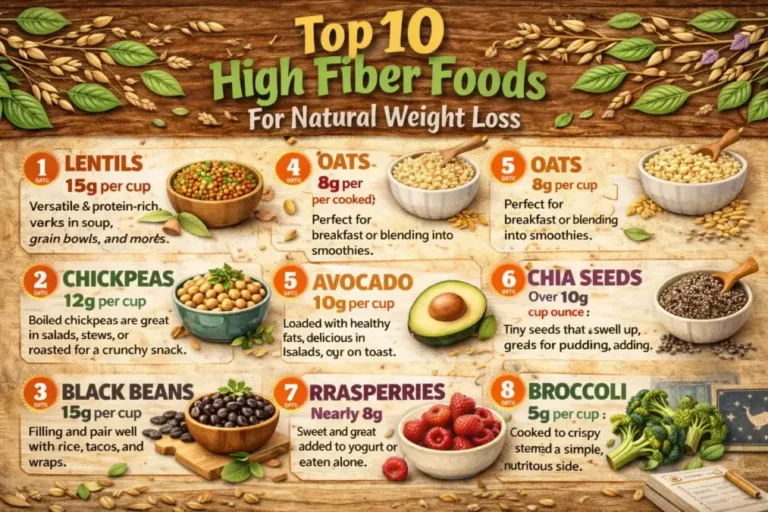
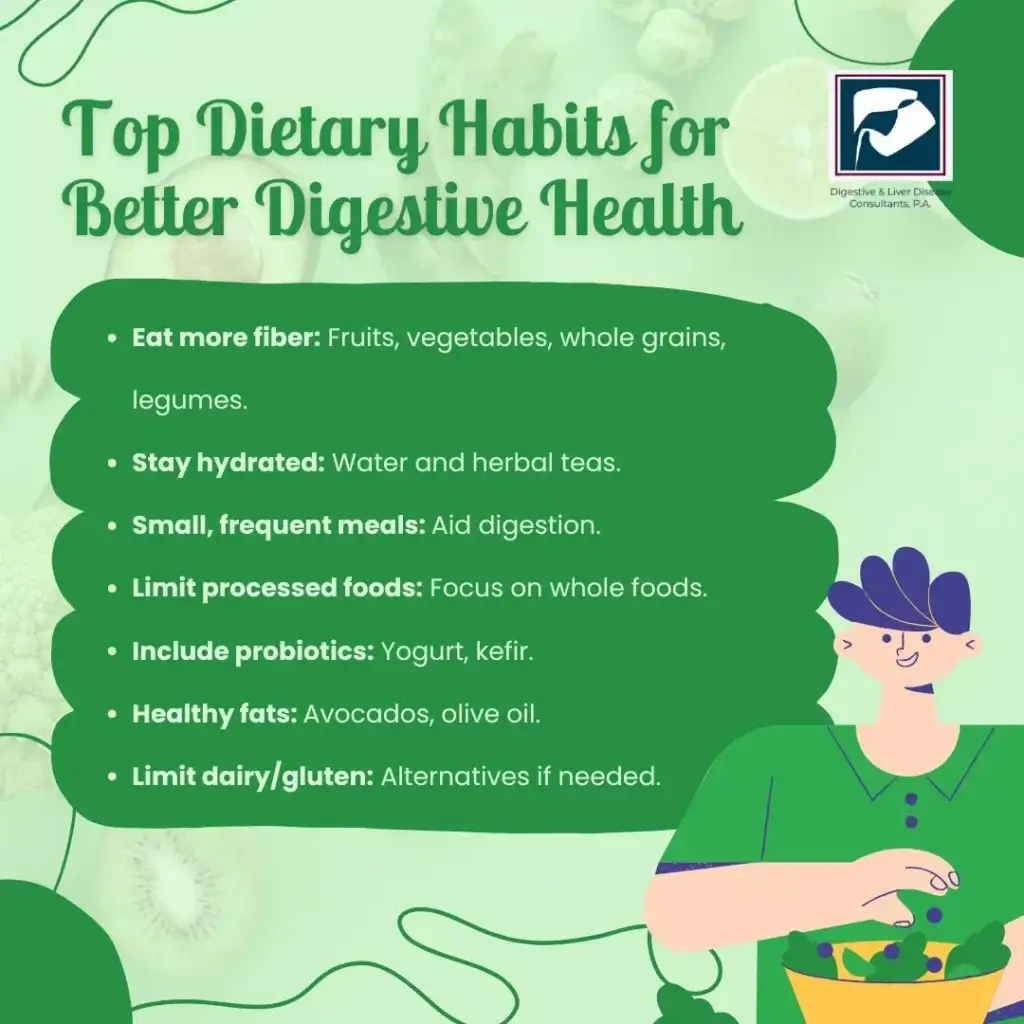
Fiber feeds beneficial gut bacteria and supports regular digestion. Focus on whole foods such as vegetables, fruits, legumes, whole grains, nuts, and seeds.
2. Add Fermented Foods to Your Diet
Fermented foods naturally contain probiotics that help replenish healthy bacteria. The Mayo Clinic explains that probiotics may help improve digestion and restore bacterial balance in the gut.
Good options include:
- Yogurt with live cultures
- Kefir
- Sauerkraut
- Kimchi
- Miso
- Kombucha
3. Stay Hydrated
Water supports digestion by helping move food through the digestive tract and improving nutrient absorption. Dehydration can worsen bloating and constipation.
4. Manage Stress Levels
Chronic stress directly affects gut function. Your gut and brain are connected through the gut-brain axis, meaning stress can disrupt digestion and gut bacteria balance.
Incorporating relaxation techniques like deep breathing, walking outdoors, or gentle yoga can significantly improve gut health.
5. Exercise Regularly (But Don’t Overdo It)
Moderate physical activity supports healthy digestion and microbial diversity. Research published by the National Library of Medicine shows that regular exercise is associated with a more diverse and resilient gut microbiome.
Activities like walking, strength training, cycling, and mobility exercises all support gut health when balanced with proper recovery.
6. Consider Probiotics and Prebiotics
Medical experts from Johns Hopkins Medicine note that probiotics and prebiotics may help support digestive health, especially when combined with a nutrient-dense diet.
Gut Health and Fitness Performance
A healthy gut supports:
- Better nutrient absorption
- Improved energy during workouts
- Reduced inflammation
- Faster recovery
- Stronger immune function
When your gut functions properly, your body becomes more efficient at fueling workouts and repairing muscle tissue.
Final Thoughts
Restoring gut health is one of the most impactful steps you can take for overall wellness and fitness. With consistent habits like eating whole foods, managing stress, staying active, and supporting digestion, your gut — and your entire body — can thrive.
Gut health isn’t about quick fixes. It’s about daily choices that support long-term vitality.
About the Author