Finding the right workout gear can truly change how comfortable and motivated you feel when hitting the gym or doing home workouts. The right shoes, shirts, and accessories don’t just add style; they help you perform better, avoid injuries, and keep going even when workouts get tough. With so many options out there, sorting through the latest innovations and classic favorites for men can get overwhelming. I’m here to break down the best workout gear for men and share tips for picking what works best for different types of routines, goals, and body types.
Why Quality Workout Gear Matters
Quality workout gear isn’t just about looking good at the gym. Wearing the right materials helps manage sweat, keeps you cool, and lessens the risk of chafing. Supportive shoes keep joints happy and reduce pain, and properly fitted clothing helps you move with ease. Wearing the wrong gear can result in distractions, discomfort, or even injury, especially during high-intensity moves or long workouts.
Modern workout clothing and accessories have really stepped up. Brands now use materials designed to wick sweat, stretch just right, and stay in place no matter what you’re doing. If you’re investing time in fitness, it makes sense to invest in gear that supports your goals and feels good to wear.
Key Essentials for Every Workout
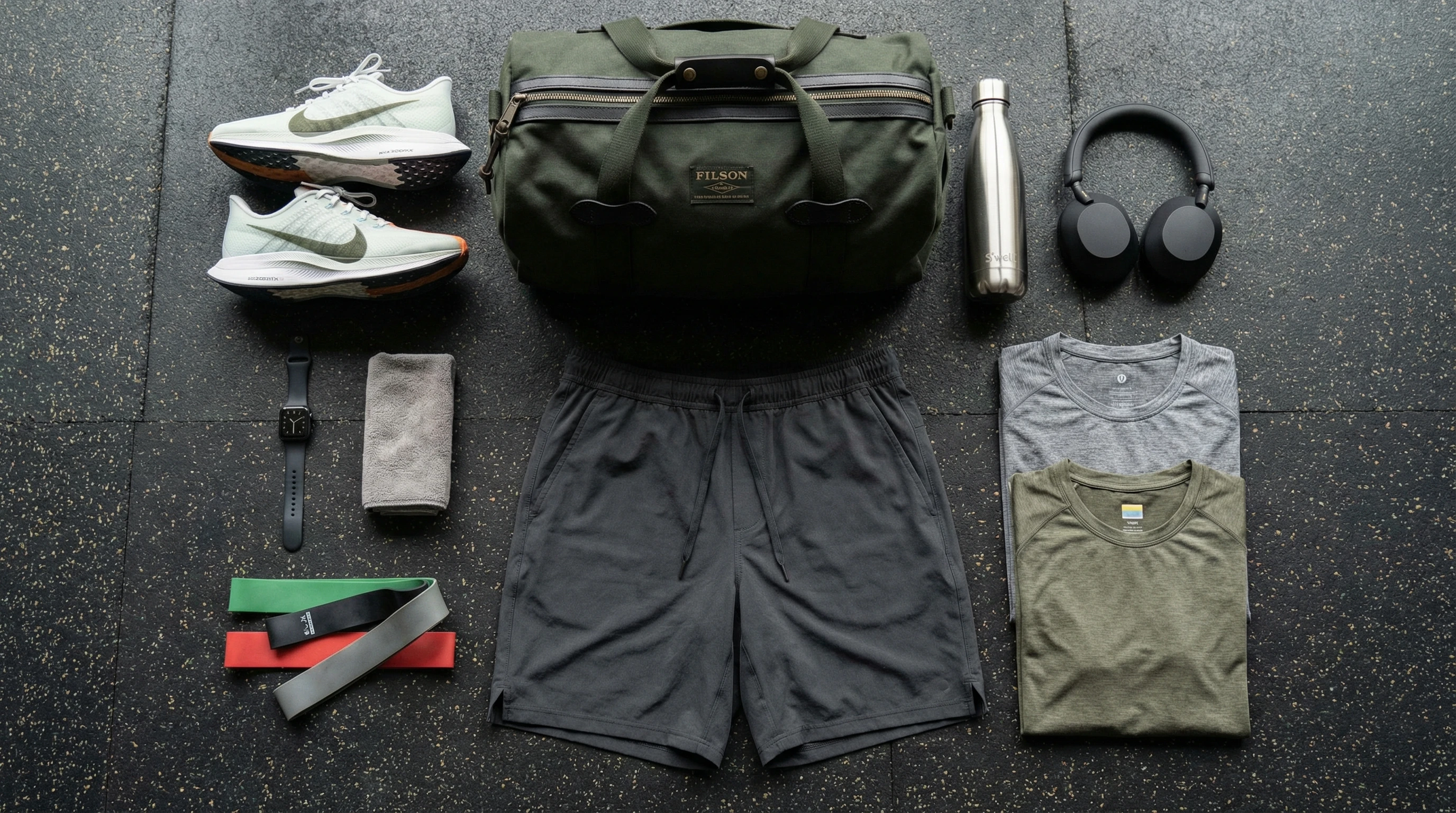
Certain workout basics belong in every guy’s gym bag. These pieces cover everything from warm-ups to cool-downs, and each serves a solid purpose whether you’re a weightlifter, runner, or just starting out.
- Shoes: Proper athletic shoes are the backbone of your gear and should match your activity. Running, lifting, or crosstraining all call for different support and cushioning.
- Shirts and Tanks: Look for moisturewicking fabrics like polyester blends that help sweat evaporate and won’t stick to your body.
- Shorts or Joggers: Choose options that let you move freely. Breathable mesh or lightweight woven materials are great for keeping cool.
- Socks: Athletic socks made with synthetic blends help prevent blisters and keep feet dry.
- Supportive Undergarments: Compression shorts or athletic underwear minimize chafing and add support for more comfortable movement.
There’s nothing flashy about these basics, but having the right versions for your training takes your workout experience up a notch. After years of testing different gear, I always come back to these essentials before checking out new pieces.
How to Choose the Best Workout Shoes for Men
Shoes are incredibly important, and which pair you go for depends on your workout. Here’s a simple breakdown:
- Running shoes: Prioritize cushioning, breathability, and arch support. Top picks include the Nike Pegasus and Brooks Ghost.
- Weightlifting shoes: Look for a stable, flat sole with solid grip. The Reebok Nano and Nike Romaleos stand out.
- Cross trainers: Choose a balanced shoe with lateral support that performs well in a mix of running, jumping, and lifting, like the Nike Metcon or New Balance TRNR.
Size, shape, and comfort are critical when it comes to workout shoes. I always suggest trying on new pairs at the end of the day (when your feet are most swollen) and doing some of your workout moves in-store to check the fit. Swapping out insoles for extra support can help if you have unique arch needs or foot pain.
Finding the Right Shirts and Training Tops
Choosing the right workout shirt matters more than most guys think. Cotton gets soggy fast, so moisturewicking synthetic blends like polyester or nylon hold up better. Look for shirts labeled “anti-odor.” Fabrics with silver ions, such as those from Lululemon and Under Armour, help fight sweat smells even after midweek gym sessions. Mesh panels give a boost to breathability for cardio or HIIT workouts.
Fit matters, too. A snug but stretchy shirt moves with you but doesn’t get in the way or ride up. If you prefer a relaxed fit, look for plenty of shoulder and chest room, especially if you lift regularly.
Workout Shorts, Joggers, and Leggings
Your choice between shorts, joggers, or leggings depends on your personal style and workout plan. For running, lightweight shorts with builtin liners bring comfort and help with sweat and support. For colder gyms or outdoor training, joggers in sweatwicking material give a boost to warmth while still staying airy. Guys prone to chafing might want to add compression leggings or shorts underneath their regular pair.
When buying, I look for stretch panels, secure pockets (for keys or phone), and drawstrings that won’t loosen as you move. The Lululemon Pace Breaker Shorts and Under Armour Rush Shorts both check these boxes for me.
Top Accessories for Training
A few extras round out your gym kit and help you stay organized and comfortable:
- Gym bag: A sturdy, waterresistant duffel or backpack keeps shoes separate from clothes. The Nike Brasilia Duffel is a classic for a reason.
- Water bottle: A reusable, insulated bottle keeps water cold, and widemouth lids make for easy cleaning and ice loading.
- Wireless headphones: Look for sweatresistant earphones with ear hooks or fins for a secure fit. Top picks include Powerbeats Pro and Jabra Elite Active 75t.
- Workout gloves: For heavy lifting, a pair of gloves with decent grip and wrist support protects your hands. You can check out options from Harbinger.
- Resistance bands: Portable and very useful for warmups, stretching, or making any workout harder. Look for a set with different strengths for more options.
I’ve been using the same gym bag for years, and I rarely leave for a workout without my headphones and water bottle. These small extras make for a smoother, less stressful gym day.
What to Consider Before Buying Workout Gear
Picking new gear isn’t just about brand or style. Here are a few things to keep in mind:
- Fit: Clothing should allow you to move easily without being baggy or restrictive. Try on gear before buying or check each brand’s size guide if you’re shopping online.
- Material: Gym gear made with moisturewicking, fast-drying fabrics holds up better during intense sessions.
- Durability: Wellmade gear lasts longer even after dozens of washes. Reinforced seams and sturdy zippers are good signs.
- Activityspecific design: Lifting, running, or CrossFit all call for different gear, so check for features that match your routine.
- Price range: It’s easy to spend too much, but plenty of affordable brands rival premium names on performance. Read reviews, compare features, and think about how often you’ll use each piece before making a final choice.
Careful research helps buyers make informed decisions and saves money over time. Reading other users’ reviews and trying on gear when you can makes a huge difference.
Sizing and Fit Tips
Every brand sizes things differently, so don’t rely only on your usual shirt or pant size, especially for formfitting pieces like compression gear. If you’re between sizes, I often recommend sizing up for better range of motion in tops, or down for a snug fit if you’re shopping performance leggings or compression shorts. Look for flexible return policies if you’re experimenting with new brands.
Washing and Care for Workout Clothes
Workout fabrics need a little more attention than regular clothes. Washing in cold water and hanging to dry keeps the stretch and helps gear last longer. Avoid using fabric softener, since it can mess with synthetic fibers and reduce their moisturewicking power. For extra stubborn odors, a little white vinegar in the rinse helps a lot. For more washing tips, you can visit Real Simple.
Bonus: Nice to Have Upgrades
Once you’ve got the basics locked in, here are a few upgrades that can make your training more fun and effective:
- Smart fitness tracker or watch: Devices like the Apple Watch or Garmin Forerunner make tracking workouts, your heart rate, and personal bests way easier.
- Foam roller or massage gun: Recovery is super important; these tools help ease sore muscles after tough workouts. The Theragun is a popular massage gun worth checking out.
- Portable jumprope: Good for quick warmups anywhere or when you’re traveling and need a compact option.
- Bluetooth gym scale: Tracks progress and syncs with your other fitness devices, making it easier to stay on track and hit your goals over time.
These extras aren’t necessary, but they’re pretty handy if you’re looking to take results up a notch or add some tracking and recovery support to your routine.
Common Questions About Men’s Workout Gear
Here are some questions I get a lot when guys are shopping for new gym gear:
Question: Can I use regular shorts and Tshirts for workouts?
Answer: Regular cotton clothes work for basic sessions, but they get heavy and sticky when you sweat. Athletic fabrics stay comfortable through longer or tougher workouts, so they’re worth using if you train often.
Question: How often should I replace workout shoes?
Answer: Most pairs last between 6-12 months of regular use. Runners should look to change them out at 300-500 miles. If you notice a loss of cushioning, tread wear, or your joints getting sore, it’s time for a new pair.
Question: What’s one piece of workout gear you shouldn’t skip?
Answer: Supportive, wellfitted shoes. They have a major impact on comfort, performance, and injury prevention regardless of the workout you do.
Putting Together Your Perfect Gym Kit
Making workouts enjoyable and effective often comes down to picking gear that feels good, works for your training style, and lasts. Spending a little time and money on the right shoes, shirts, and extras helps you move with confidence and keep up strong fitness habits for the long haul. I keep my favorite pieces ready to go and switch things out as seasons or routines change. This approach has paid off in every workout—from chilly morning runs to super sweaty HIIT sessions. Grab your favorites, give a few new pieces a shot, and see just how much easier staying active can feel.