Maintaining weight loss can sometimes feel more challenging than dropping the pounds in the first place. If you’ve ever felt lost after finishing a diet plan or worried about regaining weight after a major milestone, you’re definitely not alone. Most popular diets, whether it’s keto, paleo, intermittent fasting, or plantbased, focus on quick results. But the real win comes from learning how to keep the weight off for good. By picking up smart habits and making a few practical changes, it gets a lot more manageable to stick to your new weight long after the diet is over.

Why Maintaining Weight Loss Feels So Tricky
Once your diet ends, your body sometimes pushes back. Metabolism can slow down after weight loss, hunger hormones might increase, and habits from old routines can sneak in. According to the CDC, people often see their old weight creeping back within a few years if they don’t put some solid habits in place. So, if you’ve noticed changes in cravings, energy, or motivation after a diet, that’s completely normal. Finding new routines that fit your lifestyle helps a lot with making weight loss last.
Smart Habits to Stay on Track
The habits that helped you lose weight aren’t always the same ones that help you keep it off. Here are some practical, everyday moves I found super useful for longterm maintenance:
- Regular WeighIns: Checking your weight weekly gives helpful feedback, without making it feel like an obsession. Noticing tiny changes early means you can act before small slips become bigger setbacks. Even the National Institute of Diabetes and Digestive and Kidney Diseases (NIDDK) recommends this strategy.
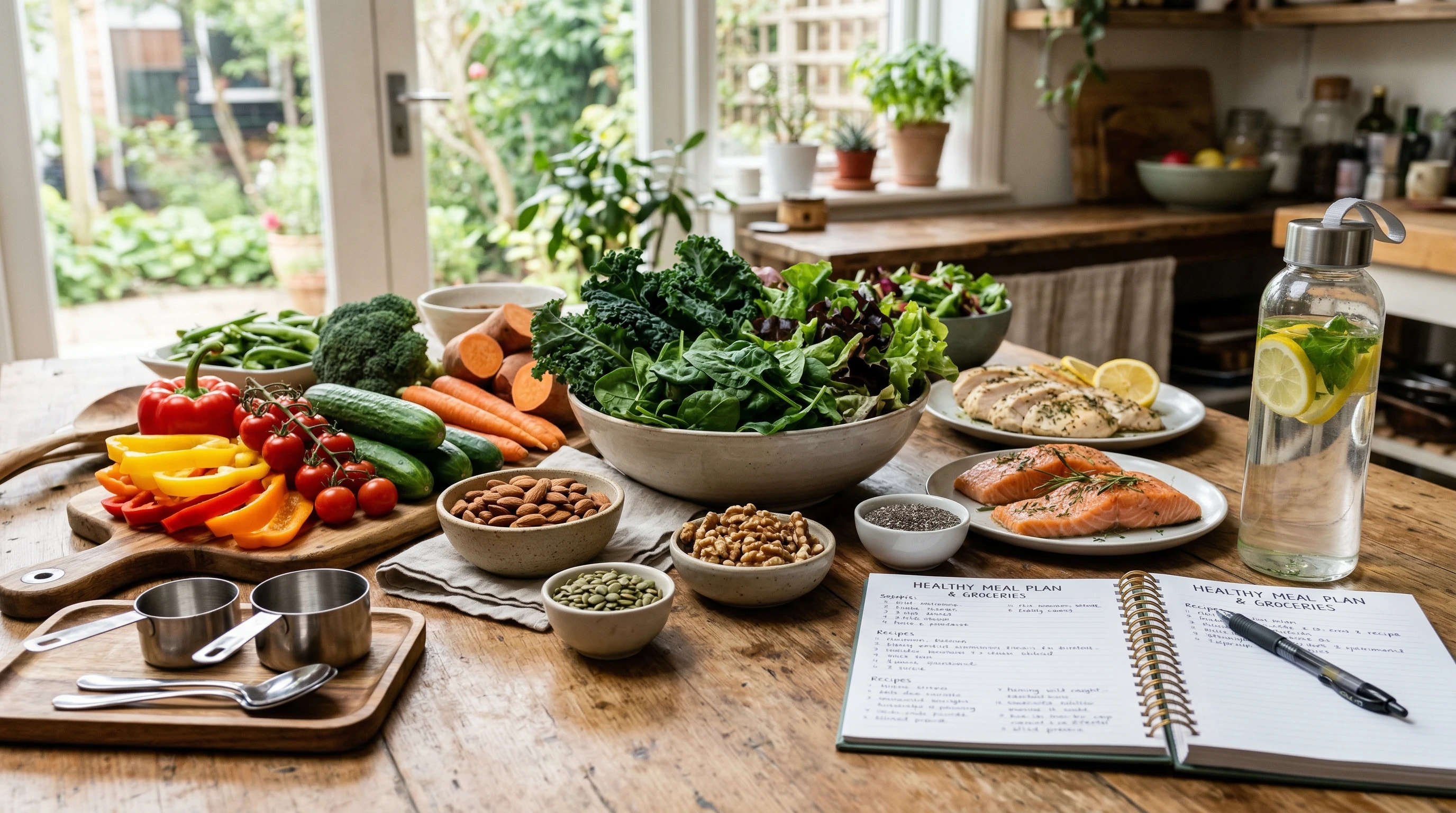
- Meal Structure: Keeping a loose plan for meals and snacks helps you avoid mindless eating. I like using meal prepping on Sundays to save time and reduce the urge for lastminute fast food.
- Don’t Forget Treats: Allout restriction can backfire. If you plan for occasional treats, you stay satisfied and feel less deprived. This isn’t “cheating.” It’s just a balanced way to eat for life.
- Keep Moving: Exercise doesn’t need to be extreme, but some regular movement, such as walking, biking, or dancing, helps balance things out. According to the CDC’s physical activity guidelines, just 150 minutes of moderate activity each week can make a real difference.
Beyond these basics, maintaining simple daily selfcare can make a difference too. Activities like drinking enough water, getting at least seven hours of sleep, managing stress, and sticking to regular mealtimes can all give a boost to your healthy habits. These small acts help your body stay balanced and can prevent getting thrown off track by unexpected changes.
How to Handle Common Challenges After Dieting
Transitioning from a structured diet back into regular routines is a spot where a lot of people struggle. Gutting it out with just willpower rarely works longterm, so I prefer using practical solutions when things get tough:
- Cravings Come Back: When cravings hit, drinking a glass of water or waiting 15 minutes before eating helps me check if I’m really hungry or just bored. Sometimes I make a cup of tea as a distraction. Another trick is to keep healthy snacks handy, like sliced veggies or a handful of nuts, to make wise choices easy.
- Plateau or Weight Gain: Bodies naturally fluctuate, so even if you see a small gain, that doesn’t undo your progress. Tracking meals for a week helps spot any sneaky habits that have returned. If plateaus feel frustrating, focusing on health markers like energy, mood, and sleep can remind you of bigger wins.
- Social Situations: Eating out is part of life, so I check menus ahead or suggest places with healthier options. If I want dessert, I split one with a friend instead of skipping it or going overboard. You can also have a light snack before seeing friends to avoid arriving famished and making onthefly decisions you’ll regret.
- Mood Changes: Noticing emotional triggers is really important. If stress eating comes up, nonfood rewards like a walk, calling a friend, or listening to music work much better for me. Mindfulness and journaling can also help spot feelings that lead to overeating.
Adapting Popular Diet Lessons to Everyday Life
Most diets teach something useful, even if you don’t plan to stick with strict rules forever. Here’s how I take the best ideas from bigname diets and turn them into lowstress, daytoday habits:
- Keto/LowCarb: I keep highprotein snacks (like hardboiled eggs or yogurt) on hand to prevent getting too hungry between meals. Sometimes, adding extra veggies and lean proteins to meals helps me stay fuller, longer, even when not following keto strictly.
- Intermittent Fasting: Waiting until I’m actually hungry to eat breakfast, instead of eating out of habit, helps me keep better tabs on true hunger. Skipping late night snacks also aids in not taking in excess calories.
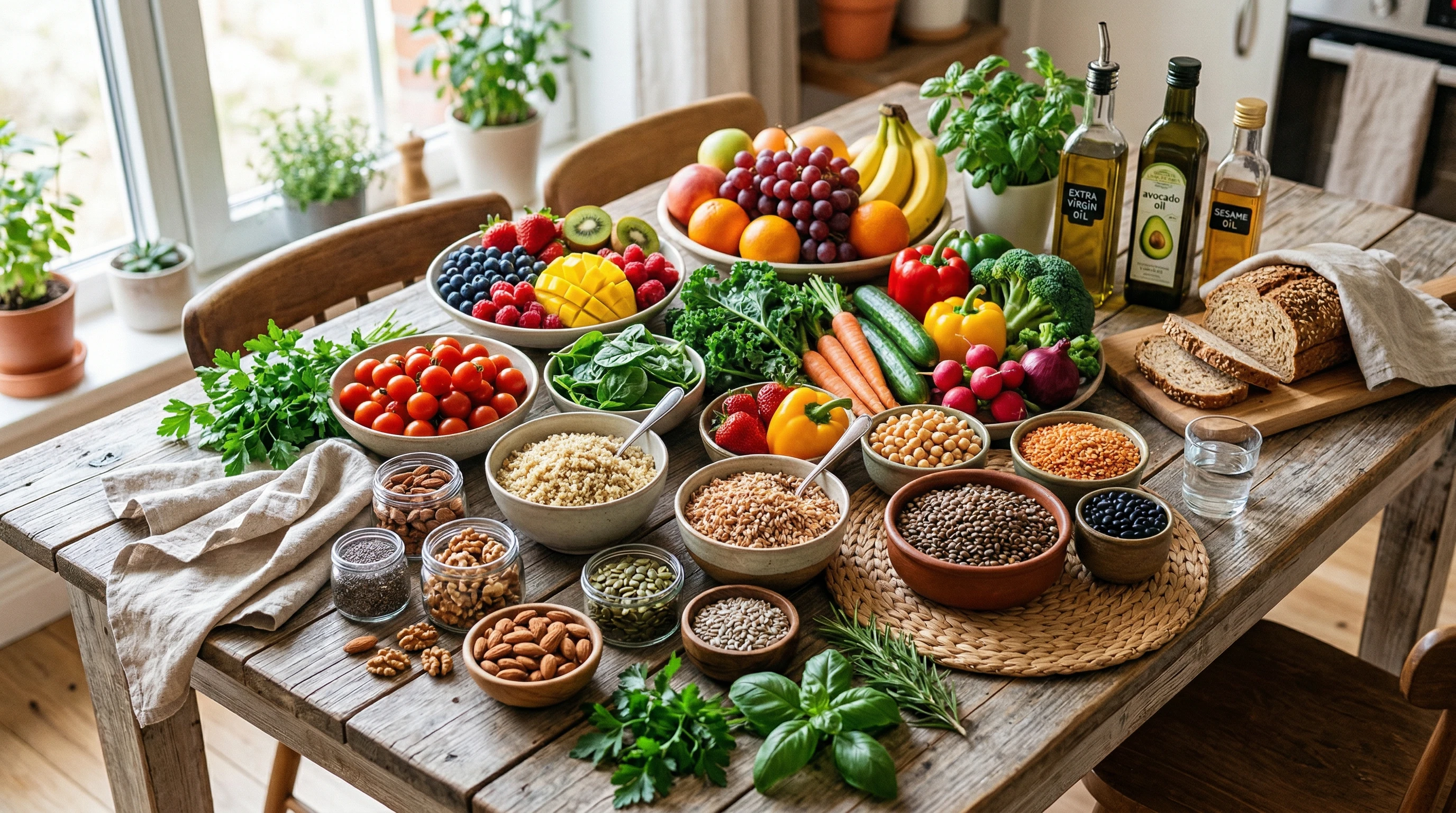
- PlantBased or Mediterranean: Fresh veggies and fruits are on my shopping list every week, and I add olive oil or nuts to meals for added flavor and healthy fats. Trying new grains such as quinoa or farro mixes things up, making meals feel fresh yet easy.
- Points or PortionControl Diets: Using a regular dinner plate (instead of oversized ones) and taking time to eat slowly cuts down on mindless second helpings. Chewing longer and pausing between bites makes meals more satisfying with less food overall.
Mix and match whichever tips feel natural for you. It’s less about sticking perfectly to any plan and more about building a routine that fits your life. Choosing what works best lets you create a plan that is easy to stick with and won’t feel restrictive.
Practical Steps for Everyday Maintenance
- Build a Support Circle: Staying in touch with friends, family, or support groups, including online ones, keeps you motivated and accountable. Sites like WeightWatchers or SparkPeople offer virtual community spaces if you enjoy sharing tips or tracking progress together.
- Keep Routine CheckIns: I like setting calendar reminders for a monthly checkin with myself. This gives me time to review what’s working and swap out anything that isn’t, and step up my efforts where needed.
- Stay Curious with Recipes: Exploring new recipes fights boredom and keeps meals exciting. Swapping in new spices, sauces, or seasonal ingredients can make healthy eating a lot more fun. This curiosity prevents healthy routines from feeling dull.
- Practice Flexible Thinking: I remind myself that missing a workout or eating extra dessert isn’t a “fail.” It’s just a part of real life. Getting back to regular routines matters more than focusing on a single day, so focusing on overall patterns is key.
- Rethink “Bad” Foods: Foods aren’t good or bad, they just have different nutrients. If you take the guilt out of eating, it’s easier to find a happy middle ground without bingeing or strict restrictions. This mindset helps you enjoy food without selfcriticism.
Key Tools and Mindset Shifts
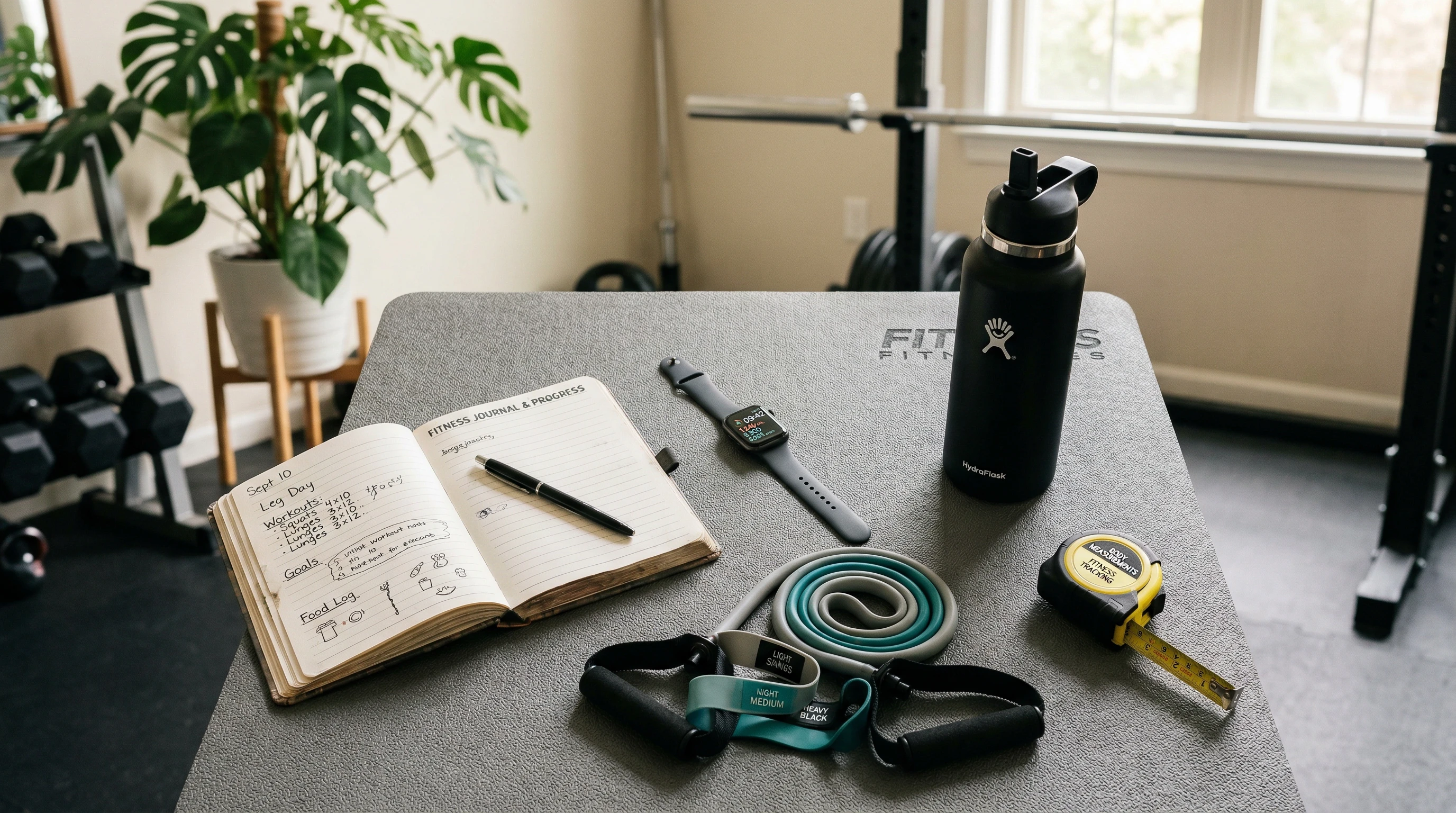
- Food Journal or App: For many people (me included), jotting down meals in a notebook or a simple tracking app helps keep patterns in check. Apps like MyFitnessPal are pretty handy for seeing how eating habits change over time. Some people find that even snapping a photo of each meal keeps them mindful about what and how much they’re eating.
- Set NonScale Goals: Chasing goals like being able to carry groceries easily or running up the stairs without feeling winded can be more rewarding than watching a number on the scale. Strength and energy are really good signs of progress, and these goals are much more motivating in the long run.
- Celebrate Wins: It’s easy to skip over how far you’ve come, but taking a sec to celebrate small wins, like cooking a new healthy meal or sticking with your morning walks, boosts confidence and motivation. Giving yourself credit for tiny milestones keeps you on track through daily ups and downs.
In addition, using visuals such as a progress chart, a new outfit, or another personal reward can reinforce the healthy actions you take. These positive reminders make the process feel meaningful and will keep motivation going strong.
A Quick Look at RealLife Maintenance Stories
Plenty of people have managed to keep weight off longterm by building their own toolkit of tips. The National Weight Control Registry tracks thousands of people who’ve lost and kept off 30+ pounds for over a year. The cool part? Their strategies vary, but common themes include regular activity, watching what they eat (without tracking every calorie forever), and finding ways to stay motivated. Many of these people mention the importance of ongoing social support, keeping portions realistic, and staying honest when little slipups happen. These realworld stories show there’s no one perfect route to success, so personalizing your approach makes it more likely you’ll stick with it.
Frequently Asked Questions
How quickly can I relax my diet after reaching my weight goal?
Transitioning slowly is key. Gradually add back foods or increase portions, but check in with your hunger and energy. Quick changes can trigger old patterns. It’s best to observe how your body feels as you add more variety so you can spot what foods keep you feeling best.
Is it true I have to exercise for an hour a day to keep weight off?
Not at all. Any consistent movement helps. Even walking 20–30 minutes most days, or taking breaks to stretch and move, can be plenty to support weight maintenance. More on this from the CDC. The key is fitting in movement that you enjoy instead of striving for time goals that feel unmanageable.
What if I start regaining weight after a diet?
It’s common for weight to bounce around. If you see several weeks of regain, go back to tracking meals, check portion sizes, or add an extra walk to the day. Sometimes, even small changes help. It’s also worth looking at stress, sleep, and activity, since all three can make a difference in your progress.
Is it bad to snack?
Snacks can help avoid getting overhungry and overeating at meals. The trick is picking satisfying options, like fruit, nuts, or yogurt, instead of just highsugar or highfat treats. Harvard T.H. Chan School of Public Health has a handy snack list for ideas. Planning snacks in advance can steer you toward healthy choices.
Making Weight Maintenance a Lifestyle
Building a sustainable routine matters way more than sticking to any one diet plan longterm. Finding foods you like, getting active in ways you enjoy, and focusing on selfkindness all play big roles. When minor setbacks pop up, sticking with small steady changes and reaching out for support helps a lot. Everyone’s adventure looks a little different, but with the right habits and mindset, keeping the weight off gets a lot more doable. For more info, check out the CDC’s guide to keeping weight off.
About the Author