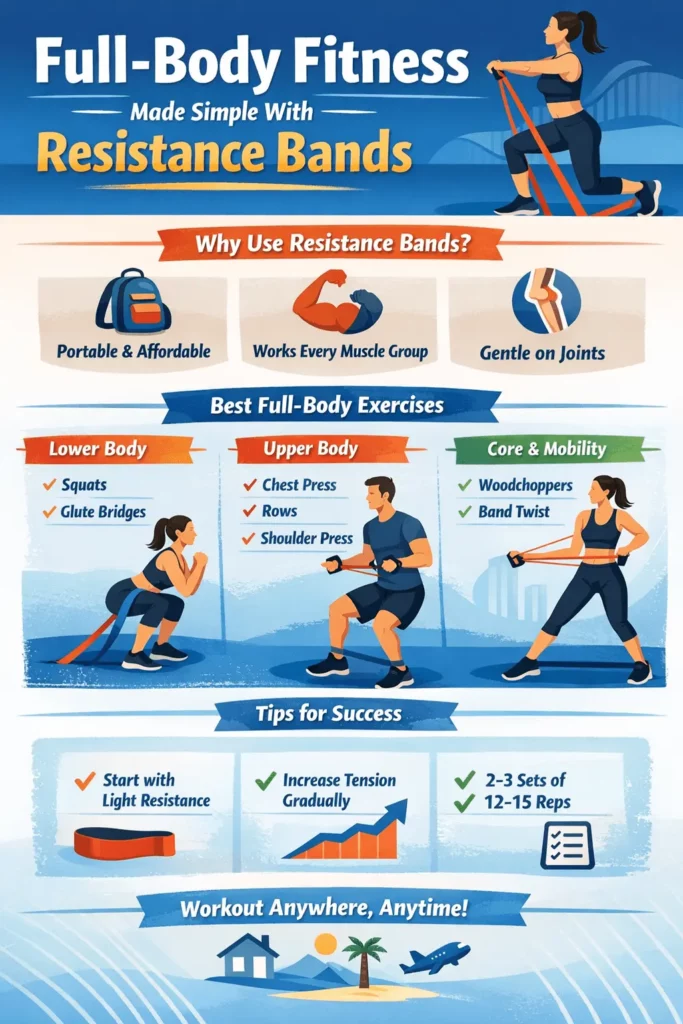
Resistance bands are super useful when it comes to making full body fitness easy and accessible. I find them to be one of the most flexible pieces of equipment you can own, whether you’re just getting into strength training or looking for ways to mix up your routine. I’ll walk you through why resistance bands are worth checking out, how they work, and how you can use them to build a full body routine at home or on the go. “Here’s the resistance band set I use and recommend for all the workouts below.”
Why Resistance Bands Make Fitness Simple
Resistance bands have jumped in popularity over the last few years, and for good reason. They’re lightweight, affordable, and don’t take up much space. You can stash them in a drawer or a backpack, making workouts possible pretty much anywhere, from your living room to a hotel room.
The real value of resistance bands comes from their ability to add extra resistance to movement without needing heavy, bulky gym equipment. With just one band, you can replicate almost any movement you’d do on gym machines. This makes them perfect for people new to strength training and seasoned lifters who want something a little different in their workouts.
Bands have been used in physical therapy since the 1970s. Over time, they’ve become mainstream for general fitness. Now you’ll see resistance bands in home gyms, group classes, and plenty of online workout routines.
How Resistance Bands Work for Full Body Fitness
At their core, resistance bands are elastic strips or tubes that provide tension when stretched. This tension challenges your muscles as you move through each exercise. Unlike weights where the resistance stays constant, with bands, the further you stretch the band, the more challenging it becomes. This switches up the way your muscles are engaged and helps target muscles throughout their entire range of motion.
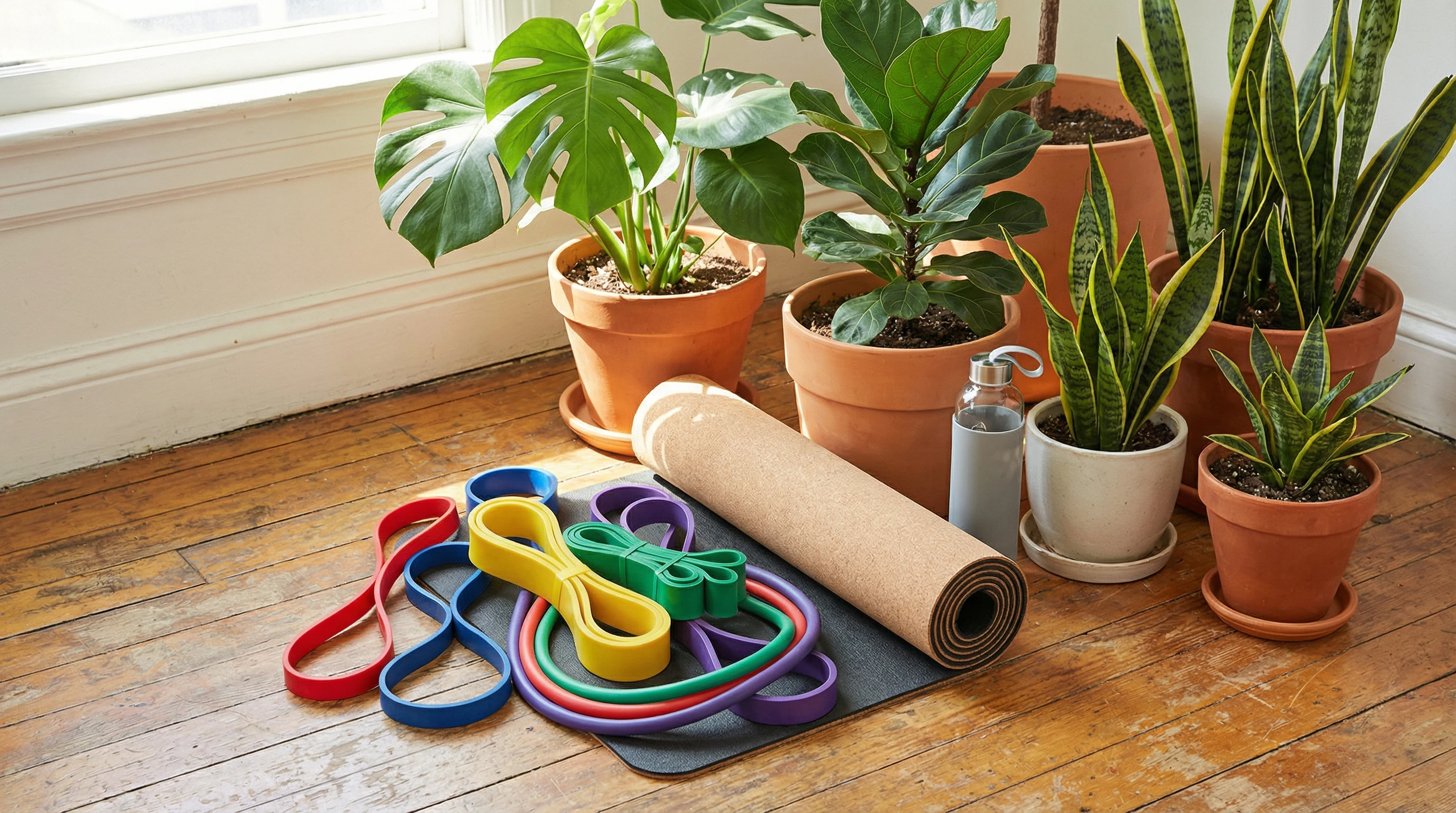
- Loop Bands: These form a closed circle and are often used for lower body exercises like squats, glute bridges, and lateral walks.
- Tubing Bands: These usually have handles and are great for upper body and back exercises such as rows and presses.
- Therapy Bands: Flat, long strips that work well for gentle movements, rehab, or stretching routines.
You can build a pretty all-in-one full body workout using just a few different bands. Adjusting the thickness or length changes the level of resistance, so you can mix and match to get the challenge you want.
Getting Started: Easy Steps to Use Resistance Bands
Jumping into resistance band workouts doesn’t have to be complicated. Here’s how I recommend easing into it:
- Pick the Right Band: Beginners can start with a lighter band to get used to the motions and gradually build up. As you get stronger, you can add heavier bands into your routine to keep challenging yourself.
- Start with Basic Moves: Try simple movements like squats, shoulder presses, or assisted pushups to see how resistance changes as you work through each move.
- Learn Good Form: Pay attention to posture (think shoulders back, chest up) and move slowly so you’re really feeling the resistance on the muscle. Using a mirror or filming yourself with your phone can help spot if anything’s off.
- Mix It Up: Once you’re comfortable, add more complex moves like rows, lunges, or banded deadlifts. Changing up the exercises keeps things interesting and hits more muscles.
- Focus on Full Range: The most benefit comes when you move slowly and extend the band through its full path, so you get tension during both short and stretched phases of each rep.
Things to Think About Before Buying Your First Bands
Even though resistance bands are pretty straightforward, there are a few tips I keep in mind when buying or using them:
- Check Durability: Look for bands made from quality latex or fabric, not ones that feel thin or sticky. After a while, low quality bands can start to snap, and nobody wants that mid rep.
- Assortment Packs Are Handy: Buying a pack with several resistance levels gives you more options as your strength improves or if you want to focus on different muscle groups.
- Length and Handles: Some bands come with attachments, handles, or ankle straps. These extra items can give a boost to comfort and open up more exercise options, especially for upper and core work.
- Allergies: Most bands are latex, but latex free options are available for people sensitive to it.
Durability
I’ve seen resistance bands that look fine one day and snap the next. I always look for any cracks or thinning areas along the band before starting a workout, especially if I’ve had them for a while. Replacing worn bands can help avoid sudden breaks during use.
Assortment Packs
Most brands offer sets ranging from very light to really heavy. This is especially useful if you’re working out different muscle groups since legs usually need more resistance than your arms or shoulders.
Length and Handles
Shorter loops work well for glute and hip work, while longer tubing bands with handles cover more upper body moves. If you like variety, picking up a bundle with different sizes means you get more exercises from your setup. Sometimes, sets even come with door anchors or special grips, making it easy to explore new exercises and stay motivated.
Building a Simple Full Body Resistance Band Workout
Here’s a sample routine I come back to regularly. This one hits all the key muscle groups and doesn’t take much space or time. If you’re short on space or equipment, just use any sturdy band you have and adjust the moves as needed.
- Squats with Band: Step on a long band and hold the ends at your shoulders, squat down, and press back up. Great for quads and glutes.
- Banded Chest Press: Loop the band behind your back, hold the handles or ends, and press forward as if you’re doing a pushup against resistance. Works chest, shoulders, and triceps.
- Bentover Rows: Stand on the band, hinge at the hips, and pull the handles or band ends up toward your ribs. Hits your back and arms.
- Standing Overhead Press: Stand on the middle of the band, bring ends to your shoulders, and press overhead. Hits shoulders and core.
- Banded Glute Bridge: Loop a miniband above your knees, lie on your back, feet flat, and lift your hips up. Adds resistance to classic glute bridges.
- Core Twist: Anchor the band to a doorknob or sturdy post, stand to the side, grab the handle with both hands, and twist away from the anchor. This targets the obliques.
For each exercise, aim for 2-3 sets of 12-15 reps. You can work at your own pace and increase sets or resistance as you get stronger. Try adding a warm up of gentle band stretches or mobility moves at the beginning and a cool down with light stretching to finish.
Common Questions About Full Body Resistance Band Exercise
I get a lot of questions from people starting out with resistance bands. Here are some of the ones that pop up most often:
Question: Do resistance bands actually build muscle?
Answer: Yes, you can build muscle with resistance bands when you use enough resistance and follow a progressive routine. Bands work well for muscle tone, and you can keep adding tension by using heavier bands or increasing reps.
Question: Are resistance bands good for weight loss?
Answer: Bands are a great tool for burning calories when used as part of a circuit or HIIT workout. Combined with a balanced diet, they can support fat loss and overall fitness.
Question: Can I use resistance bands if I’m a beginner?
Answer: Absolutely. Bands come in lots of resistance levels, so you can always find something comfortable while you’re learning the moves. They also make some bodyweight exercises easier, like assisted pushups or pullups.
Question: How do I know when to switch to a heavier band?
Answer: If you can breeze through your sets and reps without breaking a sweat or feeling your muscles working, it’s a good sign it’s time to take up a notch.
Practical Uses and Everyday Examples
Resistance bands are everywhere, from home workouts to outdoor fitness classes and even on sports fields. I’ve tossed a couple of bands in my suitcase for vacations; you can get a solid workout in a hotel room or at a park bench. Bands are also handy for stretching, preworkout warmups, and physical therapy sessions to rehab old injuries.
- Home Fitness: Follow along with video routines or YouTube workouts using just your bands and a mat.
- Group Classes: Many fitness studios now offer band based workouts that challenge your whole body.
- Rehab and Recovery: Bands are gentle on the joints and easy to adjust, which is why so many physiotherapists recommend them for rebuilding strength after an injury.
Some people also use bands for improving mobility or prepping for other activities like yoga, Pilates, or even running. With a bit of creativity, resistance bands help you target nearly every muscle, build flexibility, and maintain a strong, healthy body.
Wrap-Up: Make Full Body Fitness Easy with Resistance Bands
You don’t need fancy equipment or a gym membership to get a well rounded workout. Resistance bands keep things simple, effective, and fun. If you’re after more variety and want to train anywhere, adding a few bands to your routine is a smart move. Give them a try, play around with different routines, and you’ll track down that they’re one of the handiest fitness tools out there.
Try a few of these moves this week. Enjoy how easy full body fitness can be with resistance bands by your side!
About the Author