Managing diabetes goes beyond just medications and injections. With Ozempic and similar drugs getting a lot of attention lately, I know it’s easy to overlook natural ways to help balance blood sugar and support your health. There are plenty of science-backed, practical strategies that can help people with type 2 diabetes naturally manage their condition, sometimes as alternatives or complements to medications like Ozempic. Here’s my guide that covers everything from foods and daily habits to exercise, natural supplements, and lifestyle tweaks.
Understanding Diabetes and the Demand for Alternatives
Diabetes affects millions, and type 2 diabetes is extremely common worldwide. Ozempic is one of the latest prescription medications that doctors use to help control blood sugar, but it’s not right for everyone. Some people experience side effects, high costs, or just don’t want to add more medications to their routine. That’s why natural options are getting more attention, offering a more holistic approach along with your healthcare provider’s advice. More research shows that lifestyle changes can have a huge impact on diabetes control. CDC: Diabetes Basics
Building a Blood Sugar Friendly Plate
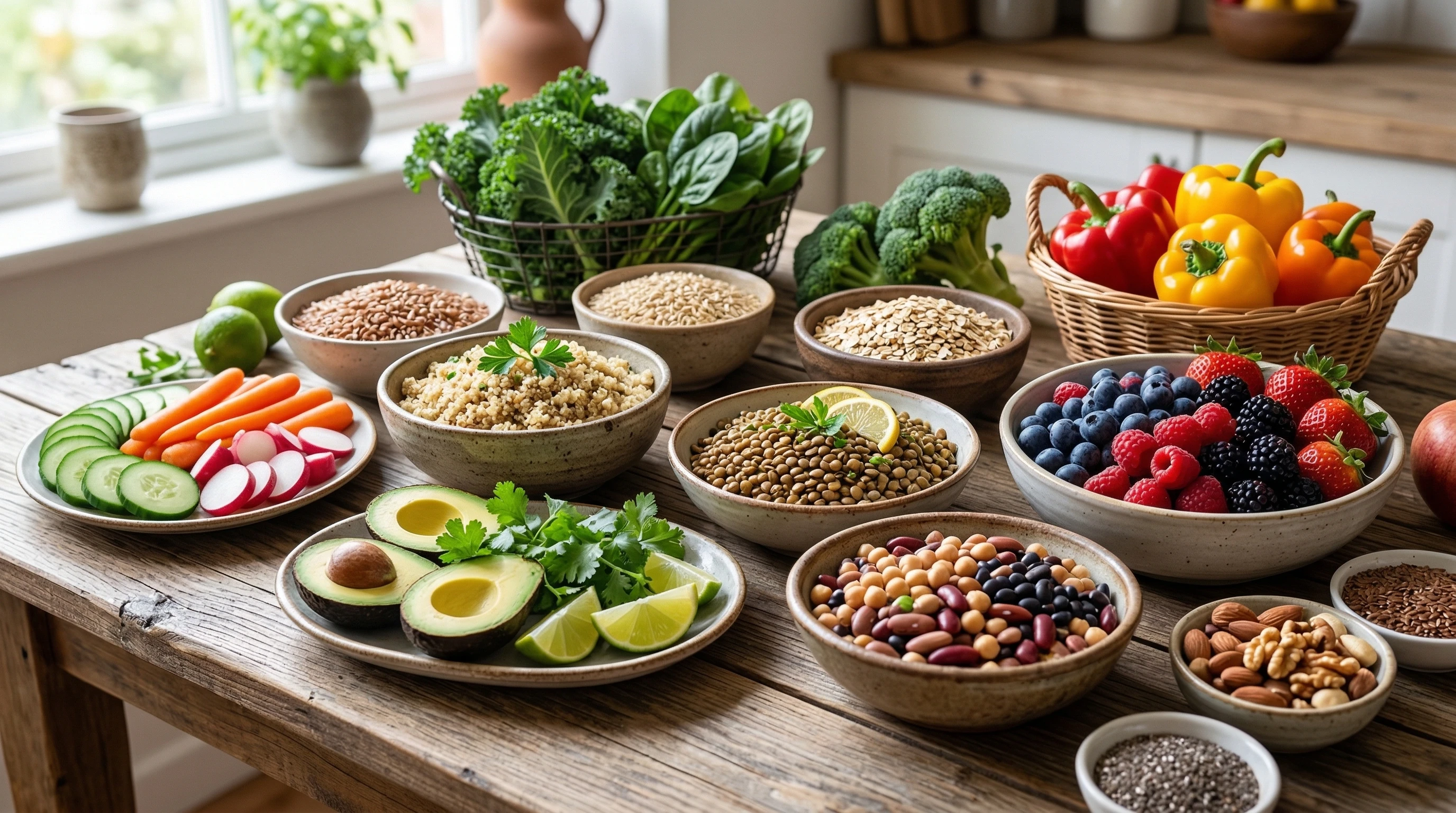
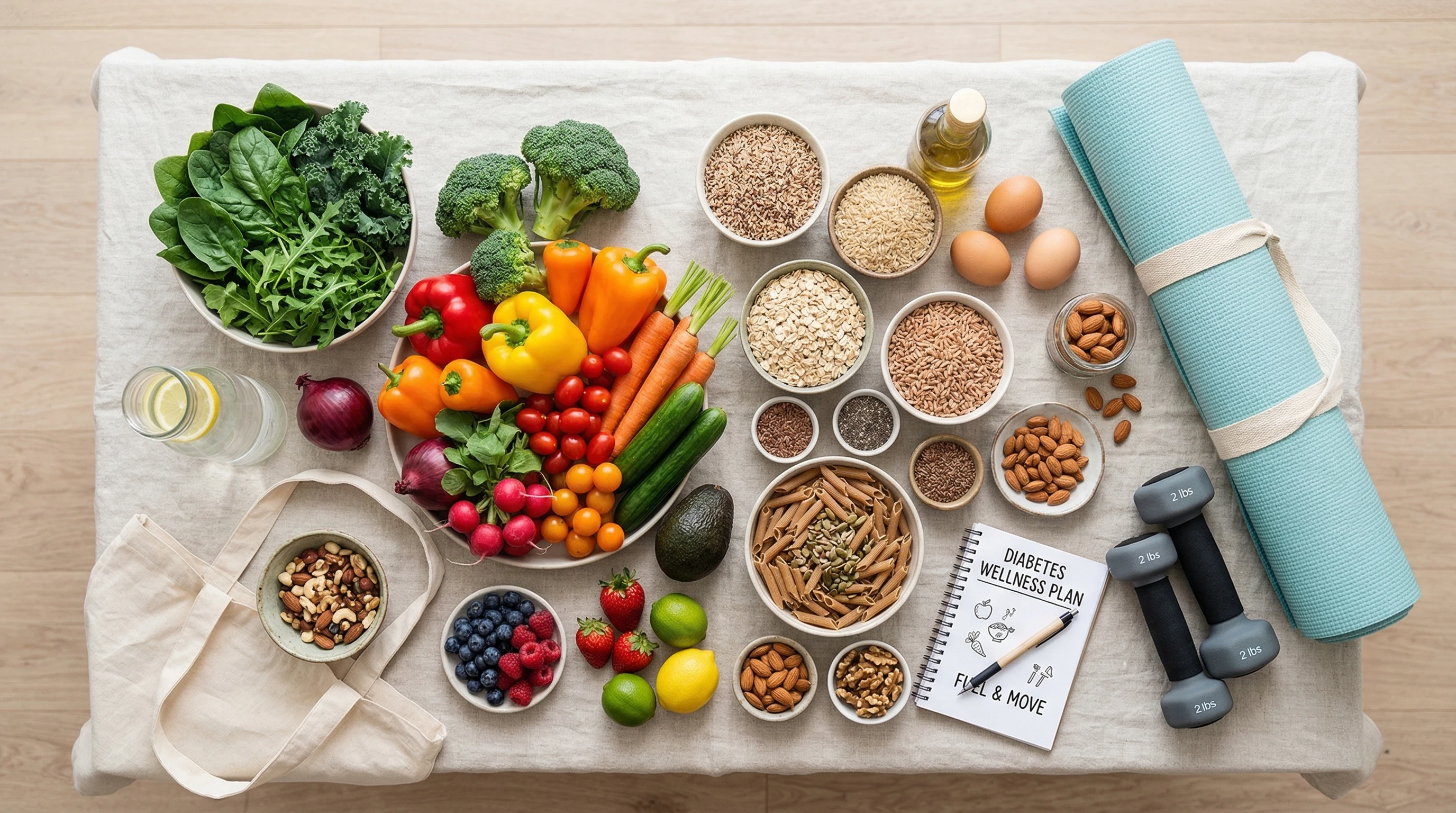
What you eat plays a big role in diabetes management. The right food choices can help stabilize blood sugar, add to your energy, and support long-term health.
- Whole Grains: Things like brown rice, oats, quinoa, and barley provide more fiber and steadier blood sugar than white bread or rice. Choosing less processed carbs helps keep glucose in check.
- Non starchy Vegetables: Greens, peppers, broccoli, and cauliflower are low in carbs and calories but high in filling fiber and vitamins.
- Healthy Fats: Avocados, olive oil, nuts, and seeds help with insulin sensitivity and make meals more satisfying.
- Lean Proteins: Chicken, fish, tofu, eggs, and legumes help slow down blood sugar spikes. They’re filling and don’t cause glucose surges.
A practical approach is the “Diabetes Plate Method,” which recommends filling half your plate with non starchy vegetables, a quarter with lean protein, and a quarter with whole grains or starchy foods. It’s easy to picture and pretty effective. ADA: Plate Method Explained
Daily Habits That Support Healthy Blood Sugar
Eating isn’t the only part of the diabetes puzzle. Daily routines can have a real effect on managing blood sugar, sometimes more than people realize.
- Stay Consistent With Meals: Regular eating times help your body know when to expect food, making your blood sugar steadier.
- Hydrate, Hydrate, Hydrate: Water helps your body remove excess glucose. Swapping sugary drinks and juices for water or unsweetened tea is a simple boost.
- Watch Your Sleep: Not getting enough sleep can push blood sugar higher and make you crave more carbs. Quality sleep supports healthy blood sugar.
- Manage Stress: High stress hormones can crank up your blood sugar and block insulin. Yoga, meditation, breathing exercises, or time outdoors can help with stress. NIH: Stress-Induced Diabetes
The Power of Exercise in Natural Diabetes Management
Moving your body regularly is one of the best ways to lower blood sugar naturally. The good news is you don’t have to get a gym membership if you aren’t into it; small, regular bouts of movement make a difference.
- Walking: Even a quick 20-30 minute walk after meals can help lower blood sugar spikes and improve insulin sensitivity. Post-meal walks are incredibly useful.
- Resistance Training: Strength training with body weight or light weights (think pushups or squats) helps build muscle, which naturally burns more glucose.
- Stretching and Yoga: Light movement, stretching, and flexibility routines help your body manage stress and improve blood flow.
Blending cardio and strength just a few times a week is both comfortable and effective; fancy equipment isn’t necessary. The American Diabetes Association recommends at least 150 minutes per week of moderate activity. ADA: Fitness & Diabetes
Natural Supplements Worth Discussing With Your Doctor
Some people look into supplements to give their natural diabetes routine a boost. While these aren’t substitutes for medical care, a few have some research supporting their benefits when used wisely. Always ask your healthcare provider before adding new supplements, since they can sometimes interact with medications.
- Berberine: This compound from plants has been shown to help with lowering blood sugar and increasing insulin sensitivity. It works in a way that’s similar to some prescription medicines, so coordination with your doctor is important. Research on Berberine
- Cinnamon: Some studies show that a modest daily dose of cinnamon (about 1-6g) may help lower fasting blood sugar. Effectiveness varies, so don’t solely rely on this.
- Alpha Lipoic Acid: This antioxidant may help with insulin sensitivity and nerve health.
- Omega3 Fatty Acids: Found in fish oil or algae supplements, they support heart health, a big concern for those with diabetes.
None of these replace solid food choices and exercise, but as part of an all-in-one plan, they’re worth asking about.
Smart Tech & Tracking Tools for Natural Diabetes Control
Tech isn’t just for high end prescriptions; you can make the most of free or inexpensive apps and wearables for tracking your habits, workouts, and blood sugar. These tools let you spot patterns and notice triggers you could miss otherwise.
- Food Journals: Apps like MyFitnessPal or good old pen and paper let you track food alongside blood sugar numbers. It’s easier to spot which foods trip you up.
- Continuous Glucose Monitors (CGMs): These devices show your blood sugar in real time through meals and activities. They usually need a prescription, but there are also noninvasive alternatives coming soon.
- Fitness Trackers: Devices like Fitbit, Apple Watch, or simple step counters keep you motivated and show your daily activity patterns.
Tracking even for a couple of weeks can help you get a sense of how your body responds and build better habits over time.
Potential Challenges & How To Tackle Them
Natural diabetes management comes with a few bumps in the road, so knowing what to expect helps you keep steady with new routines.
- Consistency: Building a new diet or exercise habit isn’t always easy, but planning meals and activity in advance makes things smoother. Prep meals ahead and keep healthy snacks close to avoid tricky choices.
- Social Situations: Parties or dinners out often include foods and drinks that spike blood sugar. Having a plan—like eating a healthy snack before events or bringing a healthy dish—helps you stay in control.
- Plateaus: If progress stalls, small changes or checking in with a diabetes educator can help shake things up.
- Information Overload: There’s lots of advice online, and not all of it is solid. Stick to research-backed sources like the CDC, ADA, or a certified diabetes educator for safe, helpful advice.
Consistency Over Perfection
Managing diabetes naturally is all about building steady habits rather than expecting instant success. Making a mistake here and there won’t erase progress—staying mostly on track is what counts.
Real Life Example: Natural Approaches in Daily Life
I want to share a practical story. One of my friends was diagnosed with type 2 diabetes in his early 50s. Instead of immediately starting medication, he worked closely with a registered dietitian and his doctor. He began taking daily walks after dinner, traded fast food lunches for homemade salads and wraps, and tracked his meals in an app. Over a few months, his A1C dropped into the normal range, and he started feeling far more energetic. He didn’t do anything extreme; instead, small steady changes to food, movement, and managing stress all came together to make a difference. It’s a useful reminder that real, lasting change is built out of everyday choices one step at a time.
Frequently Asked Questions
Question: Can diabetes be managed without medication?
Answer: Some people with type 2 diabetes can control their blood sugar through diet, movement, and weight loss, especially early on. Always stay in close contact with your healthcare team before making changes to medication.
Question: What’s the best type of exercise for diabetes?
Answer: Both aerobic (walking, biking, swimming) and resistance (lifting weights, bands, or bodyweight) exercise are solid options. The best results often come from a mix of both types for insulin sensitivity and heart health.
Question: Are natural supplements safe for diabetes?
Answer: Some can help, but ask your doctor before adding anything new. They might interact with diabetes medications or cause unexpected side effects.
Question: How soon will I see results with natural approaches?
Answer: You may start to see blood sugar improvements within a few weeks, but long term habits take a few months to really pay off. Tracking your progress helps you spot what’s working best for you.
Final Thoughts: Taking Charge of Your Diabetes Adventure
Managing diabetes naturally is absolutely possible, and mixing these strategies with your doctor’s guidance usually provides the best results. Food choices, movement, stress relief, some simple tracking tools, and maybe even supplements all have a role to play. Take each step, keep up the conversation with your healthcare provider, and remember: sticking with positive changes over time matters far more than being perfect. For up-to-date support and trusted advice, check out resources like the American Diabetes Association and the CDC: Diabetes Prevention Program. You’re not alone on this ride, and plenty of info, support, and real solutions are available to help you keep moving forward.
About the Author