Reading nutrition labels can feel like a confusing task if you’re not familiar with all the numbers and science terms. It’s easy to overlook important info or get caught up in misleading claims on the front of packages. Knowing how to read nutrition labels makes it so much simpler to pick foods that fit your health goals, whether you’re keeping an eye on calories, trying to cut sugar, or simply want to eat a little healthier overall.
Why Nutrition Labels Matter
Nutrition labels first showed up in the U.S. during the early 1990s, after the Nutrition Labeling and Education Act became law. This marked a big change for people who wanted to know what’s in their food. Labels are now required on most packaged foods and drinks, with other countries adopting their own versions of these rules. I’ve always found it helpful to check the label before trying something new or double-checking what counts as a serving size.
Labels give information on calories, fats, carbs, protein, vitamins, and minerals. They remove much of the guesswork from comparing products in the store. According to the FDA, more than half of shoppers use food labels when making decisions at the grocery store. Honestly, I now can’t shop without glancing at labels. It makes the choosing process much easier and more straightforward.
Breaking Down the Nutrition Label: Key Sections to Check
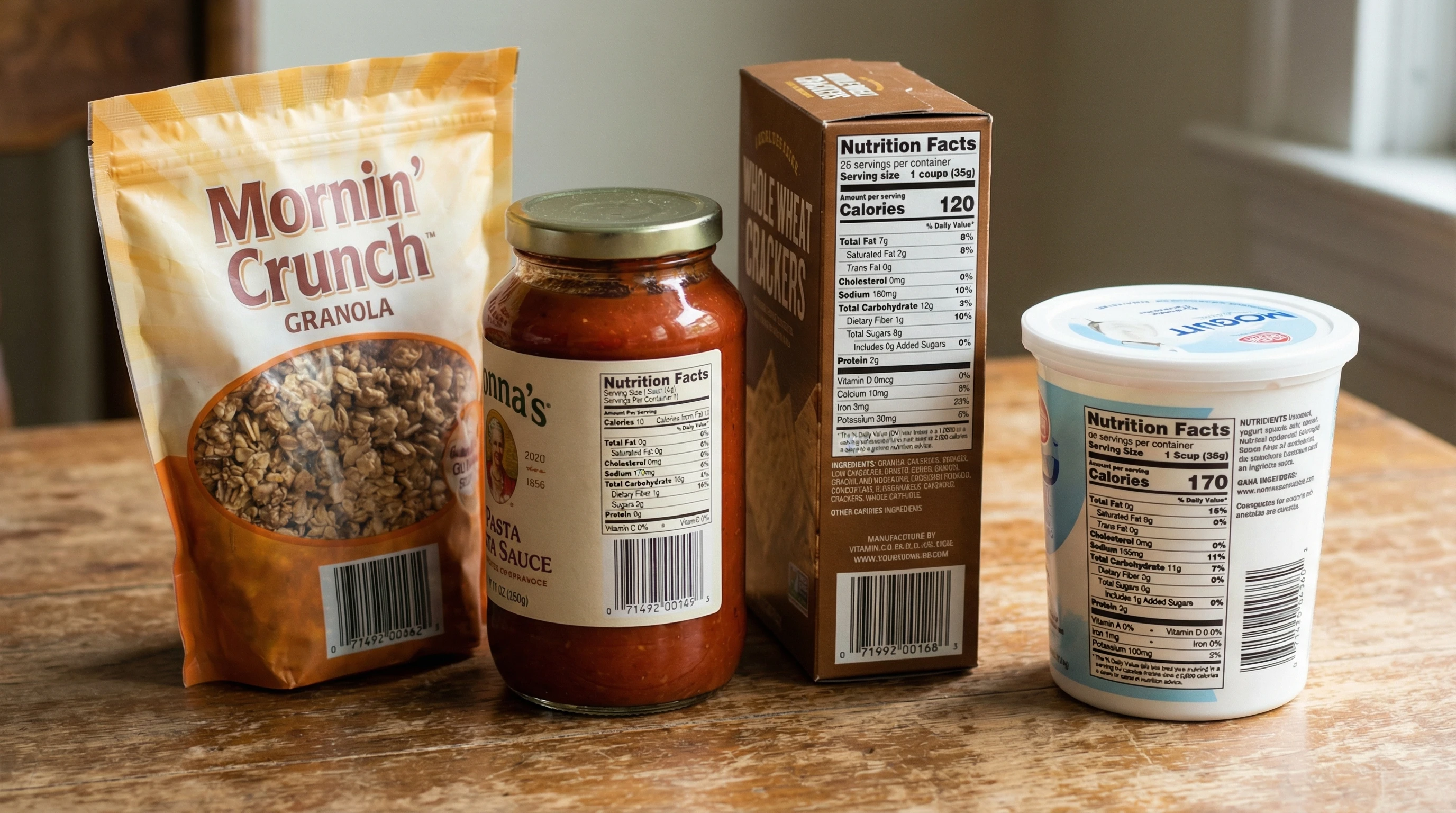
Nutrition labels are designed to be consistent and easy to scan, once you know where to look. Here’s what you’ll find on nearly all standard U.S. labels, and what each part means for daily eating:
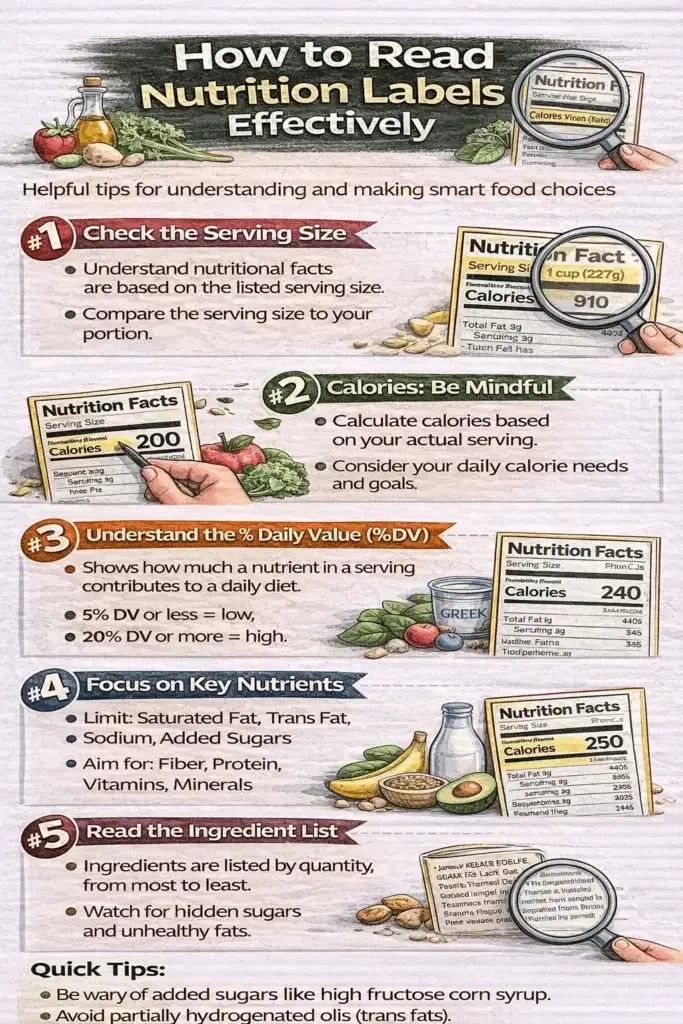
- Serving Size: The first thing I check. This tells you what counts as “one serving,” and it almost never matches the whole package. If you eat twice the serving size, then you double all the numbers below it.
- Calories: A quick snapshot of how much energy you get from one serving. For those keeping tabs on calories, this box is pretty handy as it sets the foundation for your daily intake.
- Macronutrients: This includes total fat (and the breakdown), carbohydrates (total, including fiber and sugars), and protein.
- Micronutrients: Vitamins and minerals usually show up here, like Vitamin D, calcium, iron, and potassium.
- Percent Daily Values (%DV): This section tells you what portion each nutrient provides toward a “typical” daily diet, usually based on 2,000 calories per day. It’s just a helpful marker—no need to treat it as a strict rule.
Step-by-Step Guide: How to Read and Use Nutrition Labels
- Start With Serving Size
It’s amazing how often I assumed a small bag was one serving when the label claims it’s two or three. Get clear on this before comparing items or adding up your intake. - Check the Calories
Calories per serving help set the stage if you aim to reach particular fitness or health targets. I try to keep a mental tally of how much a snack or meal adds, especially when picking up things on the go. - Look at Fat Content
Total fat appears first, broken down into saturated and trans fats; these types are the ones health groups recommend keeping lower for heart health. If listed, monounsaturated and polyunsaturated fats are considered better. - Keep an Eye on Sodium
Packed foods can sneak in a lot of salt. I always check this if I’m watching my salt intake, since some frozen meals or snacks are loaded with sodium. - Watch Out for Sugar
Labels now show “Added Sugars” as well as total sugars. This is super helpful if you’re trying to avoid extra sweetness—the lower the added sugars, the better for most people. - Check the Fiber
Dietary fiber is vital for keeping digestion healthy and helping you feel full for longer. Higher fiber content is typically a plus. - Evaluate Protein
Protein numbers matter if you’re building muscle, recovering from training, or just want to stay satisfied between meals. - Scan the Vitamins and Minerals
Even if you’re not tracking these closely, it’s good to know if a product adds a boost of calcium, vitamin D, or iron to your diet.
Pitfalls and Surprises: What to Watch Out For
- Misleading Serving Sizes: Tiny serving sizes can make nutrition numbers appear healthier than reality. Adjust for what you’re likely to eat at once.
- Buzzwords on the Front: “Natural,” “organic,” or “low fat” don’t always mean a product is highly nutritious. The facts are on the back label.
- Sneaky Ingredients: Sugar can appear as “maltose,” “dextrose,” or countless other mysterious names. The ingredient list (right beneath the Nutrition Facts panel) is worth a look if you’re avoiding certain things.
- %DV Gaps: Most people don’t eat exactly 2,000 calories daily, so use the percentages as a loose reference rather than a hard rule.
Real-World Example
When I shop for cereal, I’ll compare boxes. Maybe one says “high fiber” and another is labeled “whole grain.” The numbers can reveal that one has twice the sugar or less fiber than the other. Taking just a moment for a side-by-side check beats trusting the marketing slogans on the front.
Pro Tips to Get the Most Out of Nutrition Labels
With practice, looking at nutrition labels becomes second nature. These tips have helped me make wiser choices over time:
- Double the Math for Double Servings: Eating more than the suggested serving size (which happens a lot) means multiplying the label’s numbers—this gives a more accurate picture of what you’ve actually had.
- Compare Similar Items: My favorite part of using labels is seeing how two types of bread, sauces, or yogurts can be quite different—even from the same brand. Indicators like fiber, sugar, and sodium let you line up real differences quickly.
- Use Apps if You’re Tracking: There are mobile apps that scan barcodes and automatically add up nutrients. They’re handy for people set on tracking their intake closely for specific goals.
- Look for Short Ingredient Lists: Generally, foods with fewer unfamiliar ingredients are less processed and closer to their whole-food roots.
- Protein and Fiber for Staying Power: Picking snacks or meals higher in these helps keep you fuller and more satisfied, instead of just providing a quick rush.
Packing in Real-Life Experience: Reading Labels at the Store
Shopping with kids or when in a rush makes it tough to read every nutrition label. What I do is focus on reading labels for products I buy fairly often or new things I’m curious about. Over time, you grow a mental catalogue of what fits your needs. For foods I eat regularly (like yogurt or nutbutters), I always check the serving size, and watch amounts of sugar and fat. This habit has helped me sidestep accidental sugar overloads from “healthy” looking foods.
Common Questions About Nutrition Labels
How reliable are these labels?
Labels are regulated by the FDA in the U.S., so companies must be accurate. There can be a small error margin, but overall you can trust the basic numbers for meal planning and shopping. With imported foods, standards may be different, making it even more worthwhile to scan the ingredient list closely.
Do I have to follow the % Daily Value exactly?
No, you don’t have to hit these marks right on. They’re meant as rough guides to help compare products. If you’re very active, your needs might be higher. If you’re limiting certain nutrients, look for lower percentages instead.
What’s the difference between “Total Sugars” and “Added Sugars”?
Total sugars covers all sugars in the food, while “added sugars” tells you how much was put in on top of natural sugars. This is a great new addition for people wanting to cut sweeteners.
How Nutrition Labels Make a Real Impact
Using nutrition labels is a smart way to take more control over what ends up on your plate. Whether I’m meal planning, at the grocery store, or reaching for a new snack, labels help me quickly see what fits with my day and what might be better left on the shelf. The more you check, the less overwhelming it all gets. Before long, you’ll find yourself scanning new items almost on autopilot.
Getting used to checking and understanding nutrition labels can pay off in terms of energy, overall health, and your personal goals. If you’re ever unsure or want to check out specific ingredients, the label is always a good place to dig in—right there in your kitchen, with your food in hand.
As you gain confidence reading labels, you’ll likely share what you’ve learned with family and friends—helping them eat smarter too. Whether you’re just getting started or a label pro, there’s always something new to track down and check, making every shopping trip just a little more informed and a lot healthier. For detail information on reading labels here at ACIR.ORG
About the Author