Les Mills Body Pump has built up quite the following in the fitness world, and it’s not hard to see why. This choreographed barbell workout blends upbeat music with high-rep, low-weight resistance training, so you can build strength and tone up without feeling like you’re stuck in an ordinary gym routine. Whether you’re brand new to the group fitness scene or searching for a fresh way to upgrade your workout lineup, Body Pump delivers a pretty motivating way to get fit and feel strong.
What is Les Mills Body Pump?
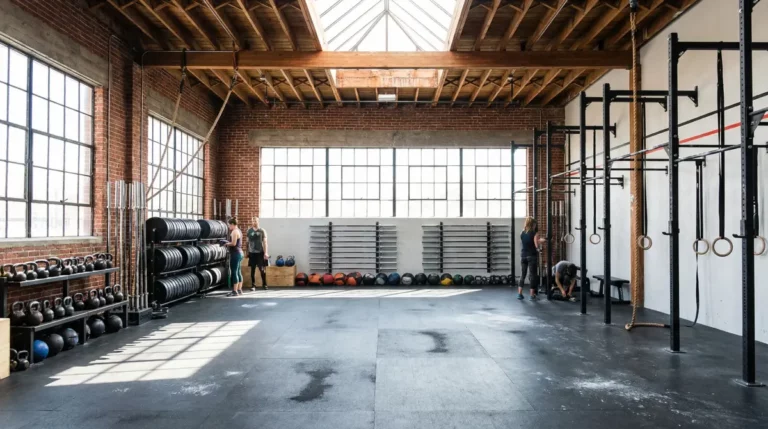
Les Mills Body Pump is a pre choreographed resistance workout. Using a barbell, adjustable weights, and bodyweight moves, the class guides you through a series of tracks, each focused on a different muscle group. The session usually runs for about 55 minutes, with shorter Express formats clocking in around 30 to 45 minutes. Expect plenty of squats, lunges, presses, curls, and rows, each set to pumping music designed to keep energy high. Learn all about Les Mills Workouts here.
I really appreciate how you don’t need to be an athlete or even a regular gymgoer to keep up. Options for lighter weights, modified movements, and varied tempos allow nearly anyone to jump in, push themselves, and see results fast. Certified Les Mills instructors lead you through every step, offering both coaching and encouragement, which helps a lot if you’re just getting comfortable with resistance training.
The Science and Benefits Behind Body Pump
What makes Body Pump a game changer for so many people is its focus on high-repetition, low-load training. Instead of piling on as much weight as possible, the goal is to use lighter weights and move through a higher number of reps. Research backs this style of resistance training, showing it can build muscular endurance and develop muscle tone without causing the muscle bulk some folks try to avoid.
A standard class hits every major muscle group, including legs, chest, back, shoulders, and core, with short breaks between sets for recovery. This keeps your heart rate elevated, helping you torch calories and improve cardiovascular fitness, too. According to studies referenced by Les Mills, a full one-hour Body Pump session can burn between 300 and 600 calories, depending on body size and effort. Plus, building lean muscle can raise your resting metabolic rate, meaning you burn more calories, even at rest.
Other perks include:
- Total body training: Different tracks ensure you never skip a muscle group, keeping your body balanced and strong.
- Motivation through music: The rhythm and tempo make routines fly by and help you push further, even when you’re getting tired.
- Expert coaching: Instructors help you dial in your form and offer cues to help you stay motivated and safe.
- Community vibes: The class atmosphere is welcoming, energetic, and supportive, which keeps you coming back for more.
Regular attendees often stumble upon benefits that go beyond the physical. For many, Body Pump brings a strong sense of belonging, and the group setting encourages folks to show up even on days when motivation is low. In addition, many notice improvements in posture, flexibility, and stamina after just a few weeks of consistent classes.
Getting Started with Body Pump
Walking into your first Body Pump class might look a little intimidating. There are weights, bars, risers, and about ten people grabbing equipment all at once. My advice is to arrive a few minutes early and chat with your instructor. They’re happy to show you how to set up your bar, pick out starting weights, and set your bench height safely.
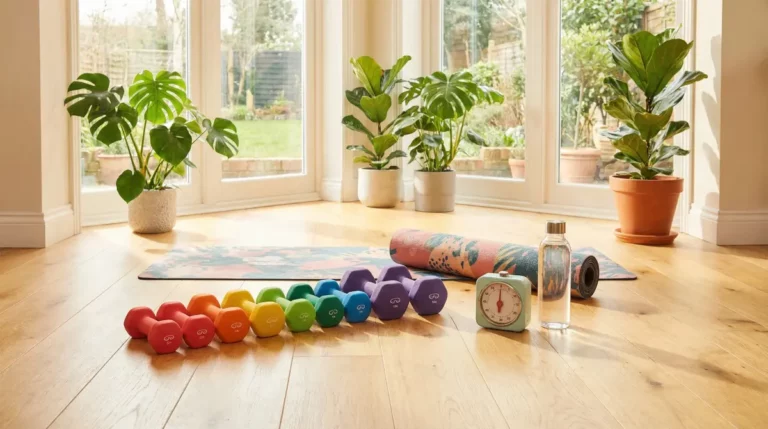
If you’re working out at home, Les Mills has an ondemand platform with recorded classes and virtual coaching. A basic setup needs a barbell with light weight plates, a bench or exercise step, and preferably a mat for comfort during floor work. Don’t let limited gear hold you back; you can improvise with household items or stick to bodyweightonly versions of moves until you’re ready for equipment.
- Start light: For your first few sessions, pick weights that feel easy. It’s all about learning the movements, not maxing out from day one.
- Focus on technique: Watch your instructor for cues on form. Protecting your back and knees is really important, especially during squats and lunges.
- Expect muscle fatigue: Highrep training sends a unique burn through your muscles, especially if you’re used to heavier, lowrep lifting styles. Shake it off and stick with it!
Stepping into a Body Pump class is a great way to shake up your fitness routine, especially if you’ve hit a plateau. Classes work well for all levels, and the format makes it easy to progress at your own pace. Plus, seeing others tackle the challenging tracks often gives you a boost and motivates you to push through.
How a Typical Body Pump Workout Flows
Each Body Pump class is broken down into songs (called ‘tracks’) that focus on a specific body part. Playlists and choreography update every few months, so things never get stale. Here’s how a standard 55minute class usually looks:
- WarmUp: Start with light weights and basic movements, priming your whole body.
- Squat Track: Load up the bar and work your lower body. These squats are all about big movements and big calorie burns.
- Chest Track: Lying back on a bench, you’ll work through presses, pushups, and sometimes flys to shape your chest and triceps.
- Back & Glutes Track: Deadlifts, clean and presses, and rows strengthen your back and glutes.
- Triceps Track: Overhead extensions and dips take the spotlight here.
- Biceps Track: Curls of all kinds, generally with a lighter bar so you can handle all those reps.
- Lunges Track: Alternate between barbell and bodyweight moves for quads, glutes, and calves.
- Shoulders Track: Upright rows, presses, side raises, and usually some heavy finisher sets.
- Core Track: Focused work for abs and obliques, sometimes using the bar or plates for extra resistance.
- Cooldown: Stretch and recover so you’re ready for whatever comes next.
Shorter Express formats may combine muscle groups into fewer tracks, but the overall structure stays the same: warm up, train hard, and cool down. Every session is set up so you get a fullbody workout, no matter how much time you have.
If you love music-driven workouts, Body Pump absolutely delivers. The playlists are carefully picked, with plenty of highenergy beats and motivating lyrics that keep spirits high, even when your muscles are shaking. New releases every few months keep things fresh and introduce new moves, keeping both your body and your mind engaged.
Top Tips for Body Pump Beginners
Making the most out of your Body Pump experience means focusing on steady progress while having a good time. Here are some extra tips to help you stick with the program and stay safe:
- Be patient with progress: It might take a few classes to get your technique and stamina down. Everyone starts somewhere, and it’s totally normal to feel a little lost at first.
- Record your weights: Jot down what you used for each track. You’ll see those numbers go up over time, which feels pretty awesome and helps track your improvement.
- Don’t ignore the burn: There will be sets where your muscles want to quit. Do your best, then rest if you need to. Form matters more than muscling through sloppy reps.
- Ask for help: Instructors love answering questions and helping with form. Grabbing feedback on your squat depth or lunge position beats guessing, and a quick adjustment can make a big difference.
- Mix up the soundtrack: Body Pump releases new music and routines every few months. If you’re doing classes at home, try out the latest release for fresh energy.
- Find a workout buddy: Having someone to keep you accountable, whether online or in person, makes it easier to stick to your goals and push through tough days.
- Don’t compare yourself: Everyone in class is on their own path. Focus on your progress, and celebrate each small victory rather than looking at what others are lifting.
Challenges and Things to Watch Out For
Like any workout, Body Pump has its challenges. Here’s what stands out based on my experience, plus a few tricks to keep you on track:
- Finding your weight: Lifting too heavy, too soon can limit your results and increase your risk for injury. Start with less weight, then work your way up as you feel comfortable and confident in your form.
- Muscle soreness: Expect it, especially in the first week or two. Stay hydrated, stretch often, and focus on recovery. You’ll bounce back faster each time.
- Group setting nerves: If new classes make you anxious, grab a spot in the back row so you can watch and copy others. You’ll build confidence quickly as you learn the routine and pace.
- Wrist or shoulder strain: Barbell classes can be tough if you’re not used to handling weight. Focusing on grip and hand position helps, and some folks prefer to sub in dumbbells or plates for certain tracks.
- Sticking to consistency: Some people find it tough to stick with a program when life gets busy. Scheduling classes ahead of time or setting calendar reminders can help you keep fitness a priority.
Tracking Results
One of the best things about Body Pump is watching your strength (and even confidence!) grow over time. Keep an eye out for:
- Endurance improvement: Maybe you finish more reps without resting, or power through a tough squat track with less struggle.
- Muscle definition: Even with lighter weights, you’ll notice arms, legs, and shoulders begin to look more sculpted.
- Stronger core: Core tracks seem small, but add up. Balance and posture often improve with regular classes.
- Feeling energized: Many people report feeling better overall, sleeping more soundly, and having improved focus after making Body Pump part of their routine.
Equipment Breakdown: What to Bring or Set Up
The gear list for Body Pump isn’t long, but having the right stuff can help give you a smoother workout. If you’re heading to a gym, equipment is usually provided. Working out at home? Here’s what you should have ready:
- Barbell: Standard in most classes, with clips to keep your plates in place.
- Weight plates: Usually in smaller increments to allow quick changes between tracks. Don’t worry if you don’t have exact Les Mills branded plates; anything similar will do at home.
- Bench or step platform: Used for chest, triceps, and core tracks. Adjustable risers can change the height for a good fit.
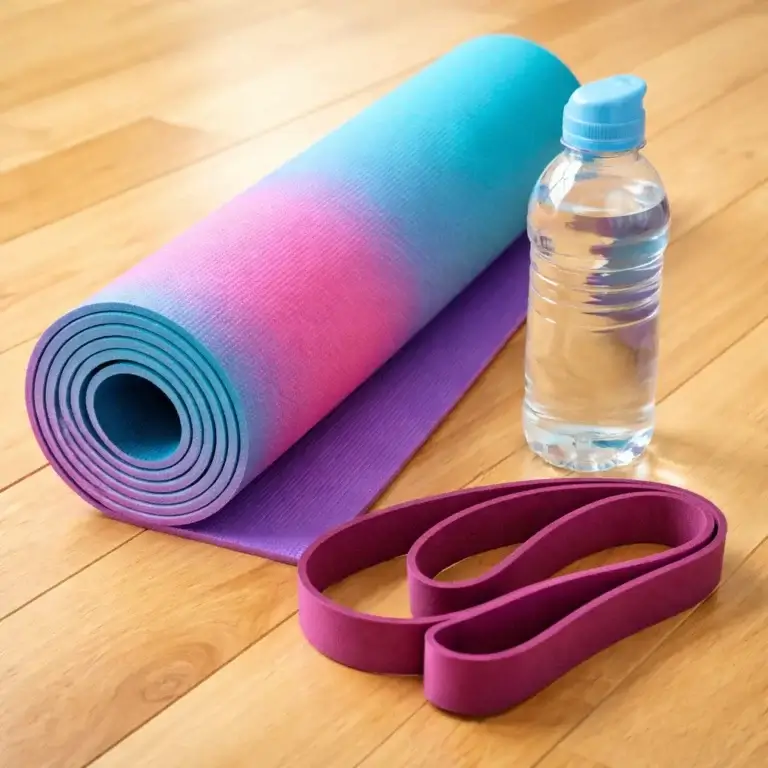
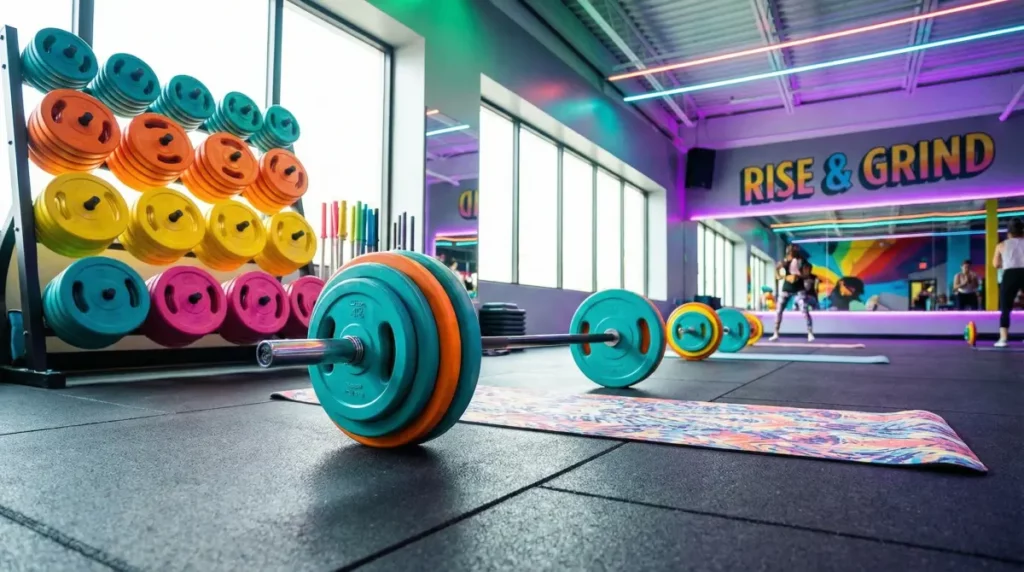
- Mat: Plenty of exercises finish on the floor, so thick mats are useful for comfort.
- Water bottle and towel: You’ll work up a sweat, without a doubt.
If you prefer at-home workouts, Les Mills offers its own SMARTBAR equipment, but you can improvise until you decide it’s worth the investment. I started Body Pump with an old barbell and adjustable dumbbells, which worked well until I was ready for newer gear. An adjustable step platform adds versatility to any beginner home gym—check out this durable, height-adjustable option from a trusted sporting and fitness supplier 👉
Sample Equipment Setup
Here’s what a typical instudio setup might include:
- Barbell with light, medium, and heavier weight plates ready for quick changes
- Step platform or bench with risers nearby
- Mat laid out for floor tracks
- All equipment within arm’s reach to keep transitions smooth
Common Questions About Les Mills Body Pump
Loads of firsttimers have similar questions. Here are a few I get asked a lot:
How many times per week should I do Body Pump?
Most folks benefit from two to three sessions weekly, giving muscles a chance to recover in between. Pair it with cardio or flexibility work for wellrounded results.
Can I lose weight with Body Pump?
Body Pump helps you burn calories, build lean muscle, and speed up your metabolism. Combine it with smart nutrition for the best results. While the scale might not drop quickly, you’ll notice a difference in the mirror and the way your clothes fit.
I have knee, back, or shoulder injuries. Can I still do Body Pump?
Many instructors can offer modifications for common injuries, but check with your doctor or physical therapist before getting started. Always prioritize your form over adding weight, and don’t hesitate to swap or modify moves if anything feels off.
How do I know when to increase my weights?
Once you can finish a track comfortably without your form slipping or fatiguing early, try adding a small amount of weight. Keep progress slow and steady, as there’s no rush.
What if I’m not coordinated or have never used a barbell?
Everyone starts somewhere. The instructors are used to beginners and will help you get set up safely. With practice, your confidence will grow, and you’ll be moving smoothly in no time.
Real-Life Body Pump Stories
I’ve chatted with loads of people who swear by Body Pump for the major boost in strength and confidence they’ve seen. Some like it for the social aspect—working out with friends or getting to know new people at the gym—while others love the way it shakes up their old routine. One friend of mine even said she was “hooked after the second class” and made it a permanent part of her schedule. Regulars often talk about feeling more energetic day to day and loving the noticeable changes in muscle tone, posture, and even general happiness after each class. For many, Body Pump becomes a highlight of the week and an important selfcare moment.
If you search online for Body Pump stories, you’ll see lots of proud photos and testimonials showing off what people have accomplished. Many mention better athletic performance in other sports, reduced pain in daily life, and a sense of empowerment from mastering new movements and lifting more over time.
Final Thoughts: Is Body Pump Right for You?
Body Pump offers something pretty unique in the fitness world: structured strength training set to high energy music with a side of camaraderie. I find it especially helpful for people who want results but get bored or unmotivated with traditional, solo weight training. The atmosphere makes lifting fun, and the regular updates in music and choreography mean you’ll never feel stuck doing the same old routine. If you’re after a friendly, challenging, and effective workout, it’s worth checking out a Body Pump class. Every session moves you one step closer to feeling stronger, and that’s always something to look forward to.

About the Author