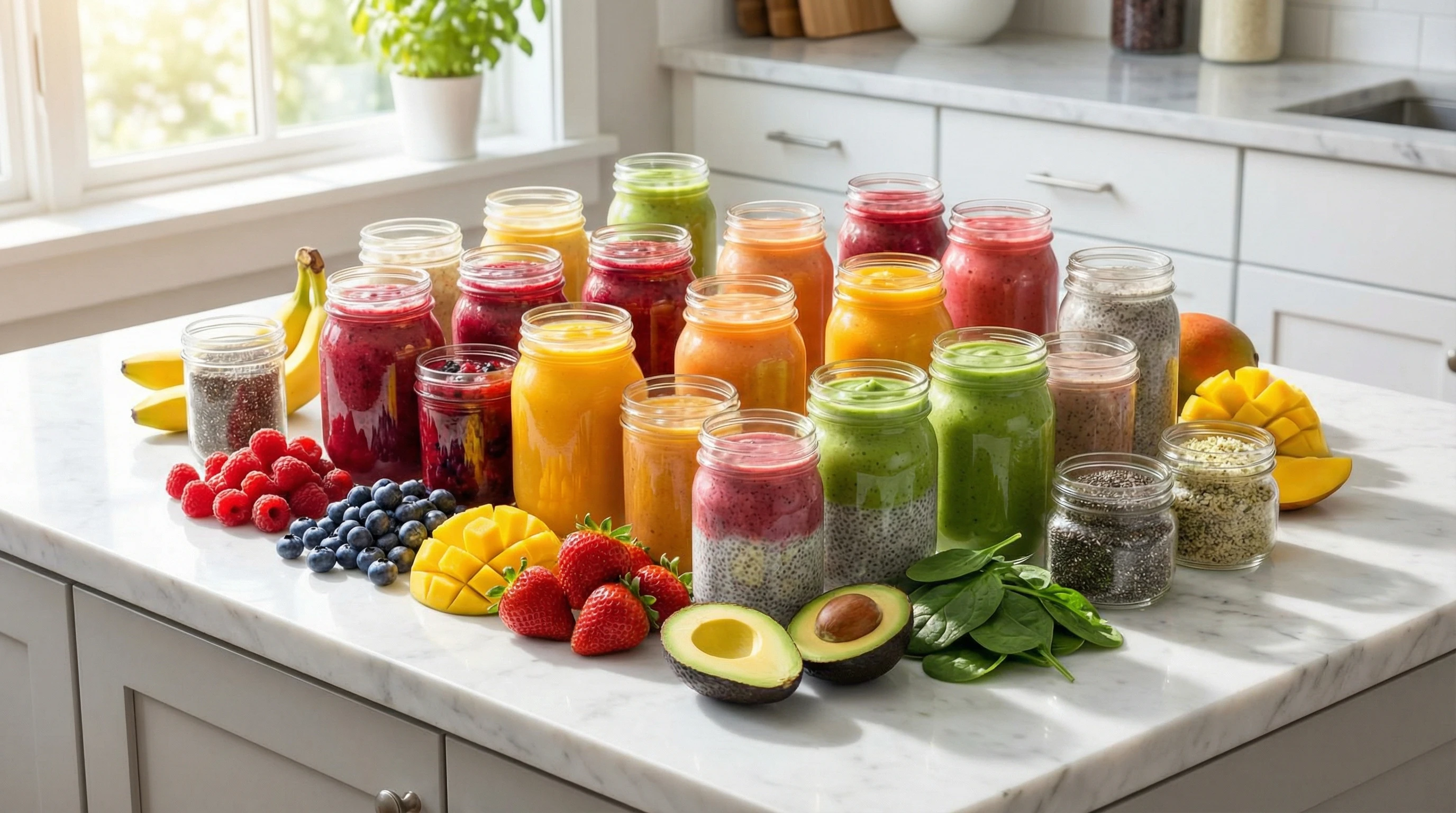
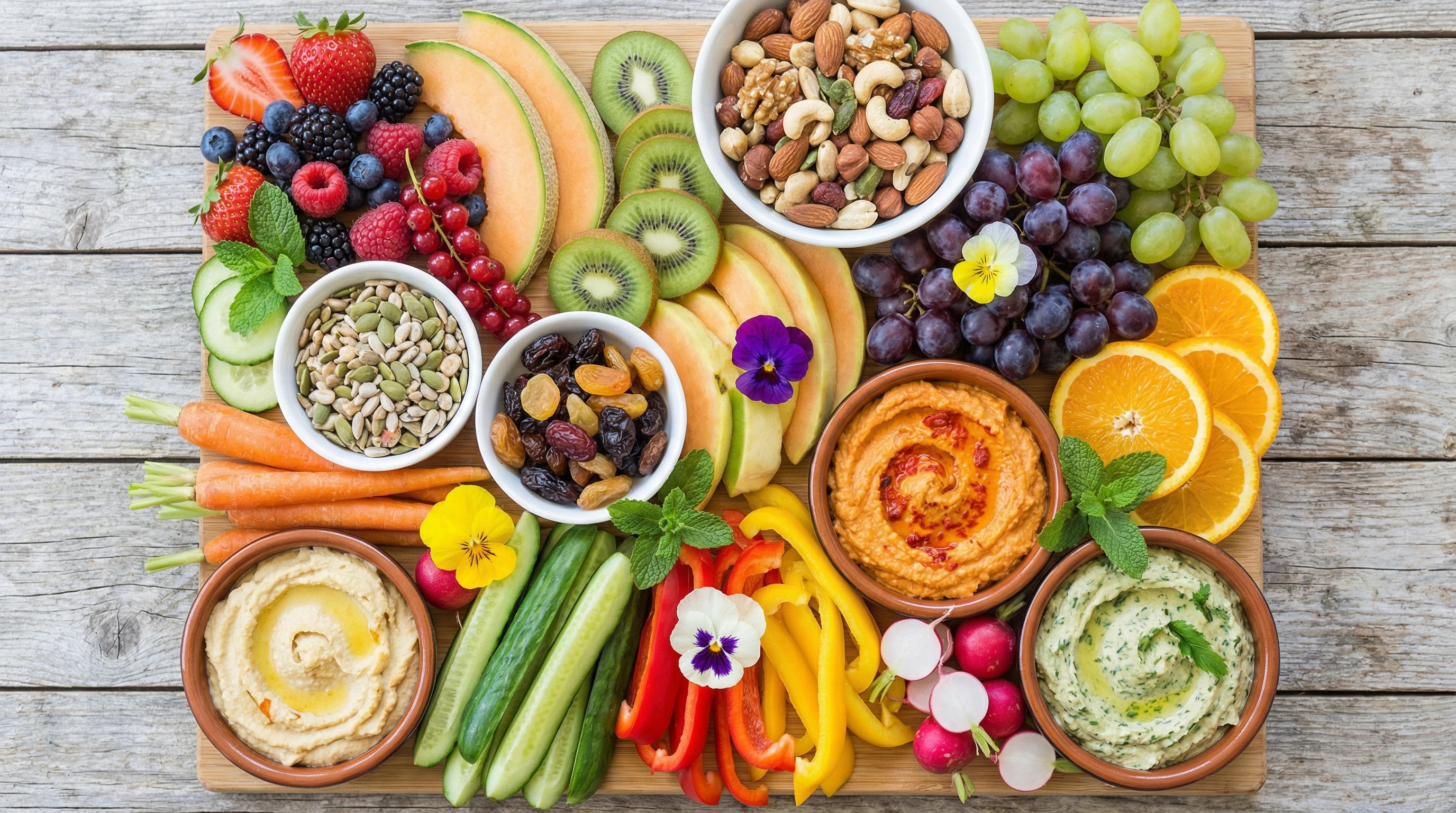
If you’ve ever wondered what foods can give you the most nutritional bang for your buck, superfoods are worth exploring. These are whole foods that pack in vitamins, minerals, healthy fats, and antioxidants in every bite. Adding some of these superfoods to your daily meals is a pretty easy way to support everything from energy and digestion to skin health and immunity.
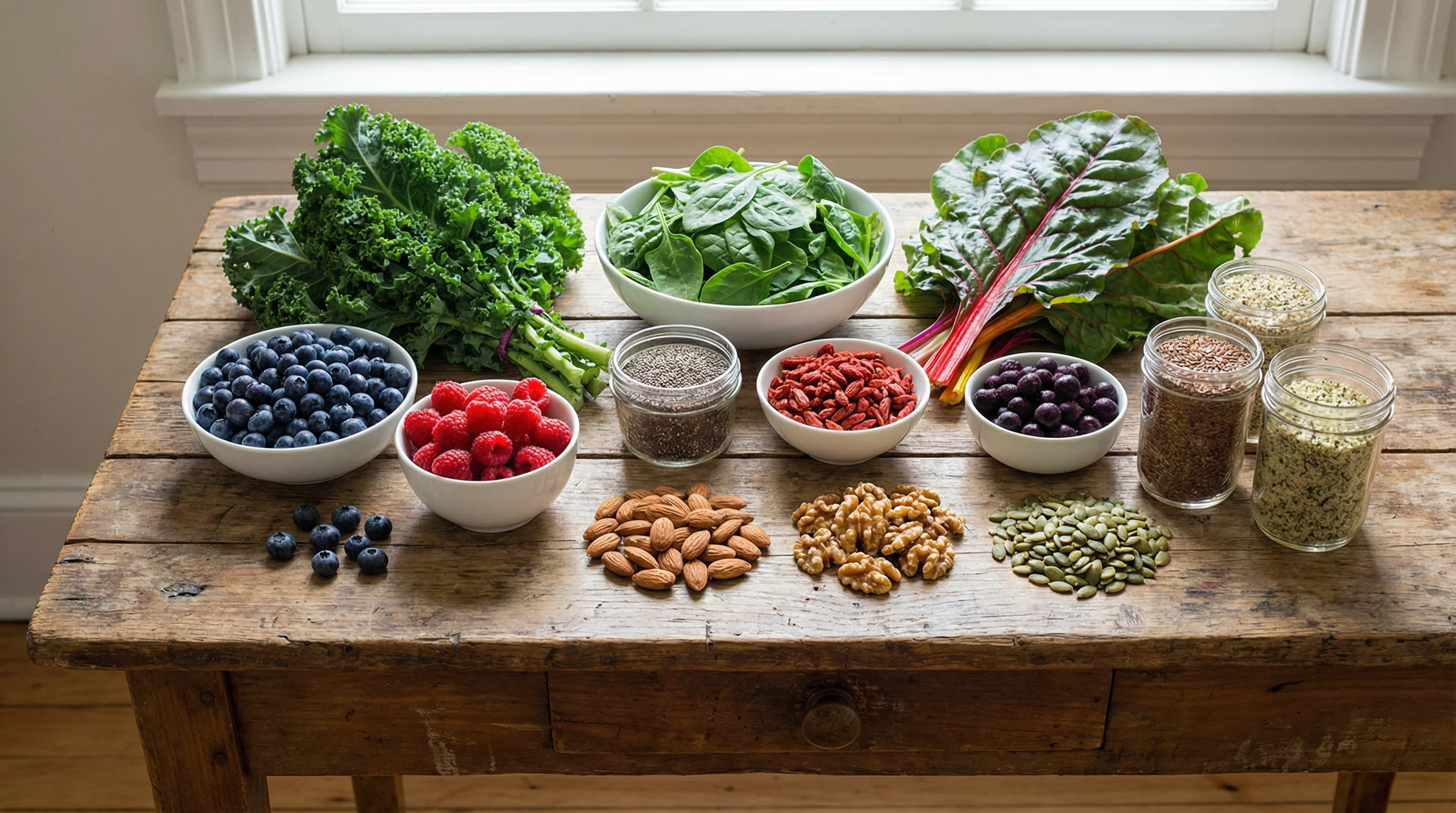
What Are Superfoods?
Superfoods are basically foods that offer higher levels of nutrients compared to most pantry staples. This might mean more antioxidants, fiber, or healthy fats. A lot of superfoods have been eaten for centuries in their native lands, but thanks to modern nutrition science, we now have a better idea of why they’re so good.
Instead of being a technical nutrition term, “superfood” is more a way to spotlight foods with clear health benefits supported by research. These aren’t miracle cures, but they can really help balance and give a boost to your everyday diet. More details on how superfoods are defined can be found at Harvard T.H. Chan School of Public Health.
Why Add Superfoods to Your Diet?
Most people don’t eat enough whole, unprocessed foods, so adding superfoods can help fill in the nutritional gaps. Superfoods often double as fiber sources and help you meet your hydration needs because of their high water content. Think leafy greens or fresh berries. Plus, they can offer a tasty way to get more nutrients without having to rely on supplements.
Each superfood has its own perks, but as a group, they’re known for things like:
- Supporting brain function and mood: Some, like fatty fish and nuts, have nutrients tied to better focus and lower risk of depression. (Source)
- Helping digestion: Many superfoods have fiber, which helps keep things moving and feeds healthy gut bacteria.
- Boosting immunity: Foods rich in antioxidants defend against oxidative stress and may help your immune system run smoother.
Interestingly, the surge of interest in superfoods has sparked hundreds of new recipes, research studies, and dietary trends in recent years. Chefs around the world get into working these powerhouse ingredients into both gourmet dishes and easy meals. By making small and consistent changes, everyday cooks and food lovers can step up their nutritional intake—without fuss or flavor loss.
Top 10 Superfoods To Add To Your Diet
The list of superfoods is always growing, but these 10 are easy to find and packed with benefits. I’ve included a mix of fruits, veggies, seeds, and healthy proteins so you can try out whatever fits your taste or budget.
1. Blueberries
Blueberries are famous for their antioxidant punch, especially anthocyanins. Regularly eating blueberries supports brain health and might slow age-related memory loss. They’re also low in calories and high in vitamin C. Try tossing some on yogurt or blending into smoothies. Check out more benefits at Medical News Today.
2. Spinach
Spinach is a leafy green loaded with vitamins A, C, K, iron, and magnesium. It’s super versatile, whether you use it raw in salads, blend into smoothies, or sauté as an easy side. Spinach is especially good for vision, immune function, and supporting strong bones. For more on the health benefits, take a look at Healthline’s spinach guide.
3. Salmon
Wild-caught salmon is one of the top sources of omega3 fatty acids, which support heart health, brain function, and lower inflammation. A few servings a week can make a real difference, especially if you’re not eating a lot of fish otherwise. Salmon is also a complete protein and provides vitamin D. For safe seafood tips, read FDA seafood advice.
4. Chia Seeds
Chia seeds are tiny, but they’re fiber, omega3, and calcium powerhouses. When soaked in liquid, they gel up, making them perfect for puddings or adding to oatmeal. Their high fiber helps with fullness and digestion, while plantbased omega3s are super helpful for those limiting animal foods. More info is available at Medical News Today’s chia seed review.
5. Broccoli
Broccoli stands out because of its nutrients and cruciferous compounds, such as sulforaphane. Research points toward broccoli helping with heart health and possibly providing cancer-fighting properties. It’s easy to roast, steam, stir fry, or toss into pasta and grain bowls. Additional research support comes from this medical research article.
6. Almonds
Almonds are rich in vitamin E, healthy fats, magnesium, and fiber. A small handful can be filling as a snack or sprinkled on salads, yogurt, or cereal. Studies also show that almonds can help keep cholesterol levels in check. For nutrition facts, you can search any food here at USDA’s database.
7. Greek Yogurt
Greek yogurt is higher in protein and lower in sugar than regular yogurt, with plenty of probiotics to support gut health. It’s a go to for breakfast or midday snacks, and you can use it in dips or as a healthier swap for sour cream. Get details on its nutritional value from Harvard’s Nutrition Source.
8. Avocado
Avocados are a go to for healthy monounsaturated fats, which support heart health and help your body absorb fat-soluble vitamins like A, D, E, and K. They’re buttery, filling, and work on toast, in salads, or just as a side. They’re also high in potassium and fiber. More details about avocado’s perks are on Healthline.
9. Sweet Potatoes
Sweet potatoes are loaded with beta carotene (which your body turns into vitamin A), plus fiber and potassium. Their natural sweetness makes them popular for both savory and sweet dishes. Baked, mashed, or roasted—there are plenty of ways to enjoy them. The NutritionFacts.org page has more info.
10. Quinoa
Quinoa is a glutenfree, complete plantbased protein, meaning it has all nine essential amino acids. It’s filling and has a mild nutty taste that works in salads, bowls, and even soups. Thanks to its fiber and mineral content, quinoa supports steady energy and good digestion. Read more from Harvard Nutrition Source.
How To Get the Most from Superfoods
Mixing in a couple of these superfoods each week can make a difference, but variety is key. Trying new recipes with these ingredients keeps healthy eating interesting and helps you cover all your nutrition bases. I like to mix berries into oatmeal, add spinach to morning smoothies, or swap white rice with quinoa for more protein and fiber.
If you’ve got allergies, food sensitivities, or specific health concerns, it’s a good idea to check with your doctor or a registered dietitian before making big changes.
- Pair foods for better absorption: For example, eating vitamin Crich foods (like broccoli) with plantbased iron sources (like spinach) boosts how much iron you absorb.
- Keep it affordable: Buy frozen fruits and veggies, which are usually just as healthy as fresh and often less pricey.
- Read labels: If you buy processed superfood products, check for added sugars or preservatives that really aren’t necessary.
Cooking techniques can also shape the level of nutrition you get from these foods. For instance, lightly steaming vegetables keeps most nutrients intact, while roasting with a bit of olive oil can even boost the absorption of certain vitamins. It’s fun to experiment and see what tastes best while maximizing the benefits. You can invite family members to join in, turning meal prep into an activity everyone can enjoy.
Superfoods vs. Supplements
Supplements can be helpful for certain deficiencies, but getting your nutrients from whole foods is usually a better bet for most people. Superfoods come packaged with extra fiber, water, and beneficial plant compounds that are missing from most pills or powders. Plus, there’s the added joy of tasting and preparing real food, which is good for both body and mind.
If you’re new to some of these foods, you might want to start small. For example, add just a spoonful of chia seeds to your yogurt or try a half serving of quinoa with dinner. Doing it this way gives your taste buds and digestive system a chance to get used to new ingredients. Before long, these foods will easily find their place in your routine.
Common Questions About Superfoods
People are curious about how superfoods work in daily routines, so I’ve rounded up some common questions I get from friends and readers.
Question: Can I eat too many superfoods?
Answer: Diversity is more important than volume. Overloading on one superfood means you might miss out on other nutrients. It’s best to mix them up.
Question: Are superfoods safe for everyone?
Answer: Most are safe for healthy adults in normal amounts, but if you have allergies (for example, nuts or dairy), be sure to choose accordingly.
Question: Are superfoods expensive?
Answer: They don’t have to be. Buy in bulk, shop seasonally, check the frozen aisle, and focus on what’s available locally. Even everyday foods like broccoli, sweet potatoes, or beans can count as superfoods.
Question: Can superfoods replace other healthy habits?
Answer: While superfoods are great, they work best alongside regular exercise, adequate sleep, and an overall balanced diet. There’s no shortcut—just a steady path to better health.
Get Started With Superfoods
Adding more superfoods doesn’t have to mean an overhaul. Pick one or two from this list to start, try them in weekly recipes, and see what fits best with your lifestyle. These small changes can build better habits and maybe even boost your energy, immunity, and overall health.
Every little swap helps, and over time, these nutrientpacked choices can really add up. Enjoy the process and experiment with flavors; eating well can be satisfying, simple, and genuinely delicious. As you track down new recipes and flavors, you’re not just feeding your body, but also feeding your curiosity about food and well-being.
Wrapping up, superfoods aren’t a magic fix, but including more of them in your meals is a straightforward strategy to step up your nutrition with little effort. The adventure of trying new foods, discovering new tastes, and making small, consistent improvements is where the real benefits take root.

About the Author