
Picking the best workout supplements can feel a little confusing with so many options on the shelves. Whether you’re lifting, running, or just looking for a little energy boost to power through a gym session, finding the supplements that fit your goals can make working out a lot more rewarding. I put together this guide to help break down what really works, what to watch for, and how to match the right supplement to your needs. No fuss, no overhyped claims.
Why People Use Workout Supplements
Workout supplements are pretty popular for folks who want to get the most out of their fitness routine. Sales in the sports nutrition market have been on the rise, with the global sector expected to reach about $35 billion by 2028 (source: Grand View Research). These products are designed to support muscle growth, speed up recovery, improve endurance, and sometimes help with focus or motivation. Finding the right blend for your goals is key. It’s a good idea to know what each supplement is for and what research says about the results.
Supplements won’t replace consistent training or a solid diet, but they can help nudge progress in the right direction. Especially if you know what your body needs.
Main Types of Workout Supplements (and What They Do)
Supplements come in all sorts of forms, including powders, capsules, drinks, and bars. Here’s a rundown of the main categories, and how they might help different workout goals:
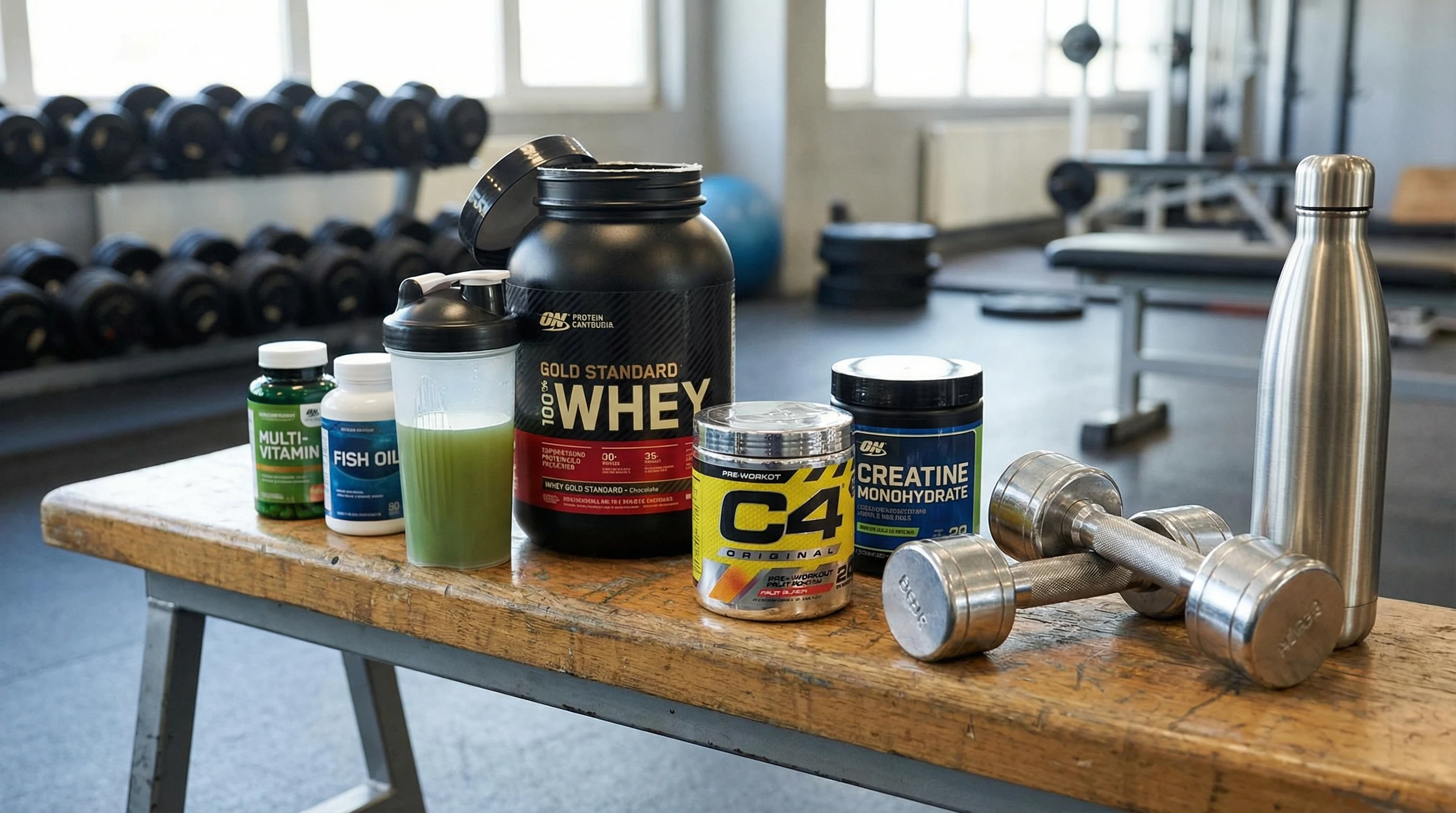
- Protein powders: The go-to for muscle building and repair. Popular options include whey, casein, soy, pea, and rice protein. Easier to digest after a tough workout compared to whole foods.
- Preworkout supplements: Usually blends of caffeine, beta alanine, creatine, and amino acids to amp up energy, focus, and pump before exercise.
- BCAAs (Branched Chain Amino Acids): Leucine, isoleucine, and valine are the stars here; thought to support muscle recovery and reduce soreness.
- Creatine monohydrate: Super common for building muscle strength, power, and short burst energy, especially in weightlifting and HIIT workouts.
- Electrolyte mixes: Help with hydration and cramp prevention, especially when sweating hard during running or cycling.
- Postworkout blends: Mixes of protein, carbs, and sometimes electrolytes to jumpstart recovery after training.
I’ve personally noticed that a basic protein shake after a workout helps keep my soreness low and speeds up recovery. Some of my friends swear by preworkout powders for motivation. It’s really about testing what feels best for your body and lifestyle. If you ever feel overwhelmed by the number of options, try focusing on just one supplement to start, track any differences over a few weeks, and then decide if you want to add another. This approach makes it easier to spot what has a real effect for you.
Quick Guide: Matching Supplements to Your Fitness Goals
If you’re not sure which supplement fits your workout style, here’s how I break it down for friends and clients:
- Building Muscle: Focus on protein powders and creatine. Both are heavily studied and really effective for muscle growth and recovery. See creatine research.
- Boosting Energy and Endurance: Preworkout blends (with caffeine and beta alanine) and electrolyte mixes help power through longer or harder sessions.
- Reducing Soreness and Speeding Recovery: BCAAs and postworkout blends can make a difference, especially during high volume or repeated sessions.
- Overall Health: A multivitamin or omega3 supplement can cover general wellness and support the immune system if you’re training hard. Check out NIH on Omega3s.
Usually, you don’t need to overload your system with every product out there. Starting simple and tracking what works is way more helpful. In fact, many trainers recommend focusing on just the basics, as most of the impressive results come from consistency and time. Adding too many products at once usually doesn’t give faster progress; it just makes your supplement bill higher.
Things Worth Considering Before Buying a Supplement
The supplement world isn’t always straightforward, and there are a few important things to think about before spending your cash:
- Ingredient Labels: Look for simple, easily recognized ingredients. If you see a ton of chemical names or “proprietary blends” with no breakdown, it’s worth pausing to research.
- Dosages: Some companies skimp on active ingredients to cut costs. Research the effective dosages for your supplement so you know you’re getting enough for real results.
- Safety and Certification: Third party testing matters. Look for seals like NSF Certified for Sport or Informed Choice. These help make sure the product is free from contaminants and what’s on the label matches what’s inside. See NSF’s official guide.
- Health Conditions or Medications: Always talk with a doctor if you have allergies, chronic health problems, or take prescription meds. Supplements aren’t onesizefitsall.
- Company Reputation: Brands with a track record of transparency and customer service are usually safer bets. Checking independent reviews and complaints online helps. A quick internet check of the company can reveal a lot about either the quality or potential red flags of their products.
Reading Ingredient Labels
Labels sometimes look like a foreign language, but spotting key info gets easier with practice. For example, many protein powders contain soy or dairy (which can be an issue for some people). Preworkouts loaded with caffeine or artificial flavors can cause jitters or digestive issues. Taking a minute to scan the fine print on the tub can actually save frustration, money, and even your stomach. If you’re allergic to gluten or have other sensitivities, take the time to check each label.
Understanding Dosages
More isn’t always better, especially with stimulants like caffeine or creatine. Too much caffeine can lead to jitters and poor sleep, while excessive creatine won’t be absorbed and can cause stomach cramps. The recommended dose of creatine, for example, is 3 to 5 grams per day for most people. Checking reputable sources like Examine.com can help clear up any confusion. Be wary of brands that highly exceed recommended doses.
Third Party Certification
Supplements aren’t regulated as closely as pharmaceuticals, so occasionally there are surprise contaminants or inaccurate amounts of key ingredients. Reputable brands list third party certification on the packaging. You can verify certification numbers on the testing company’s website, just to be sure. It’s a pretty handy trick for peace of mind. If you find a supplement without any testing or quality seals, skip it in favor of something more transparent.
Common Problems and How To Avoid Them
I run into people who experience side effects or disappointment with supplements because they hit one of these common snags:
- Overuse or stacking lots of products: Mixing too many supplements at once can lead to unwanted interactions or high costs. Building your supplement routine slowly helps pinpoint what’s effective and what’s not.
- Digestive upset: Protein powders and preworkouts can sometimes upset the stomach. Testing half servings or changing timing (like taking protein after breakfast) can help.
- Relying on supplements instead of good nutrition: Whole foods should still be your first choice. Supplements help fill in the gaps, not replace real food. Sometimes taking a break from all supplements for a week helps you get a clearer sense of what each one does for your body.
- Believing the hype: Many products promise fast fat loss, eye catching muscle gains, or endless energy without proof. Research or ask a trainer or dietitian before buying into bold claims.
I’ve personally wasted money on “miracle” preworkout blends that did nothing for me. Reading reviews and sticking with tried and true basics helped me save money over time. If a product sounds too good to be true, it almost always is.
Favorite Supplements Worth Checking Out
With so many choices, narrowing things down to a handful of widely trusted options can help. Here are a few popular picks (with decent science to back them up):
- Whey protein: Fast digesting and great for postworkout recovery. Also comes in lactosefree versions for those sensitive to dairy.
- Creatine monohydrate: Backed by hundreds of research studies for improving strength and performance. Short and long term use is considered safe for most healthy adults.
- Caffeine: Naturally boosts focus and energy. Found in preworkout blends or as coffee/tea. Worth knowing your caffeine tolerance.
- Beta alanine: Supports endurance by buffering muscle acidity during tough workouts. Sometimes causes “tingling” (harmless but common) in hands or face.
- Electrolyte tablets: Useful for hot days, long sessions, or if you sweat heavily.
All of these options have their place depending on your goals and preferences. For an allinone breakdown of supplement uses, this Healthline article is worth a look. Don’t forget, it’s always smart to rotate between a few choices and listen to your own body’s response. Try taking notes after each workout to see which combinations give you the best results.
Real World Benefits: How Supplements Help Everyday Training
Supplements aren’t just for elite athletes. Most people I know use them to turn small wins into regular progress. Here are a few scenarios I see all the time:
- Busy weekday mornings: A protein shake can be a grab and go breakfast or snack between meetings.
- Latenight lifting sessions: A scoop of preworkout helps keep energy steady if you’re working out after a long day.
- Group fitness classes: Electrolytes in your water bottle keep you cramp free and hydrated during hot yoga or cardio bootcamps.
This is where the supplements blend seamlessly into daily routines, saving time and supporting long term motivation. A few simple supplement tweaks make training fit your lifestyle without overwhelming you.
Frequently Asked Questions
Here are a few questions I get all the time from folks just getting started:
Q: Do I actually need supplements to get results?
A: They’re not required for success. Consistent exercise and eating well will always deliver the biggest results. Supplements can just help you recover faster, support energy, or fill in gaps when life gets busy.
Q: Are supplements safe?
A: Most basics like protein, creatine, and caffeine are considered safe for healthy adults when used as directed. Always check for third party testing and avoid products with lots of mystery ingredients. If you have a medical condition, check with your doctor first.
Q: What should I avoid?
A: Avoid anything that promises overnight results or is packed with hidden stimulants. Watch out for “proprietary blends”; if the label doesn’t say exactly how much of each ingredient is inside, it’s better to find another product. Staying away from products with banned substances is also really important for competitive athletes.
Wrapping Up
Supplements can help you train harder, recover quicker, and hit your goals a little easier, but keeping your routine focused on the basics is a smart move. Doing your homework helps buyers make informed decisions, and matching supplements to your own personal needs is what really makes the difference. If you stick with simple, trusted products and pay attention to your own results, you’ll find what works best for you. Remember, it’s all about finding what fits into your life and fitness style rather than chasing every new trend!
Enjoy the adventure, and don’t be afraid to experiment until you find your perfect mix!