If you’re thinking about getting a new exercise watch this year, there are more options than ever before. Fitness tech in 2026 isn’t just about tracking steps; it now covers everything from sleep patterns to heart rhythms and stress levels. Choosing the right exercise watch can make your workouts far more effective and help you stay motivated. I’m going to break down what’s new, what matters, and which models are really worth checking out.
Why Exercise Watches Matter in 2026
Fitness watches have really transformed since the old pedometer days. Brands now compete to pack in the best sensors, integrate with smart home gear, and personalize the user experience. These new features haven’t just made watches more accurate; they also make it easier to set and hit personal health goals. Good exercise watches now help with training plans, hydration reminders, and even safety features like fall detection.
Understanding where this tech has come from helps explain all the hype. The global fitness tracker market hit over $130 billion in 2025, and growth hasn’t slowed. Even casual users expect their wearable devices to offer serious health insights and work seamlessly with phones, headphones, and other tech. With this massive popularity, companies continue to develop new tech to set their models apart, bringing features like biometric sensors, solar charging, and even AI-driven movement suggestions.
How Do Exercise Watches Work?
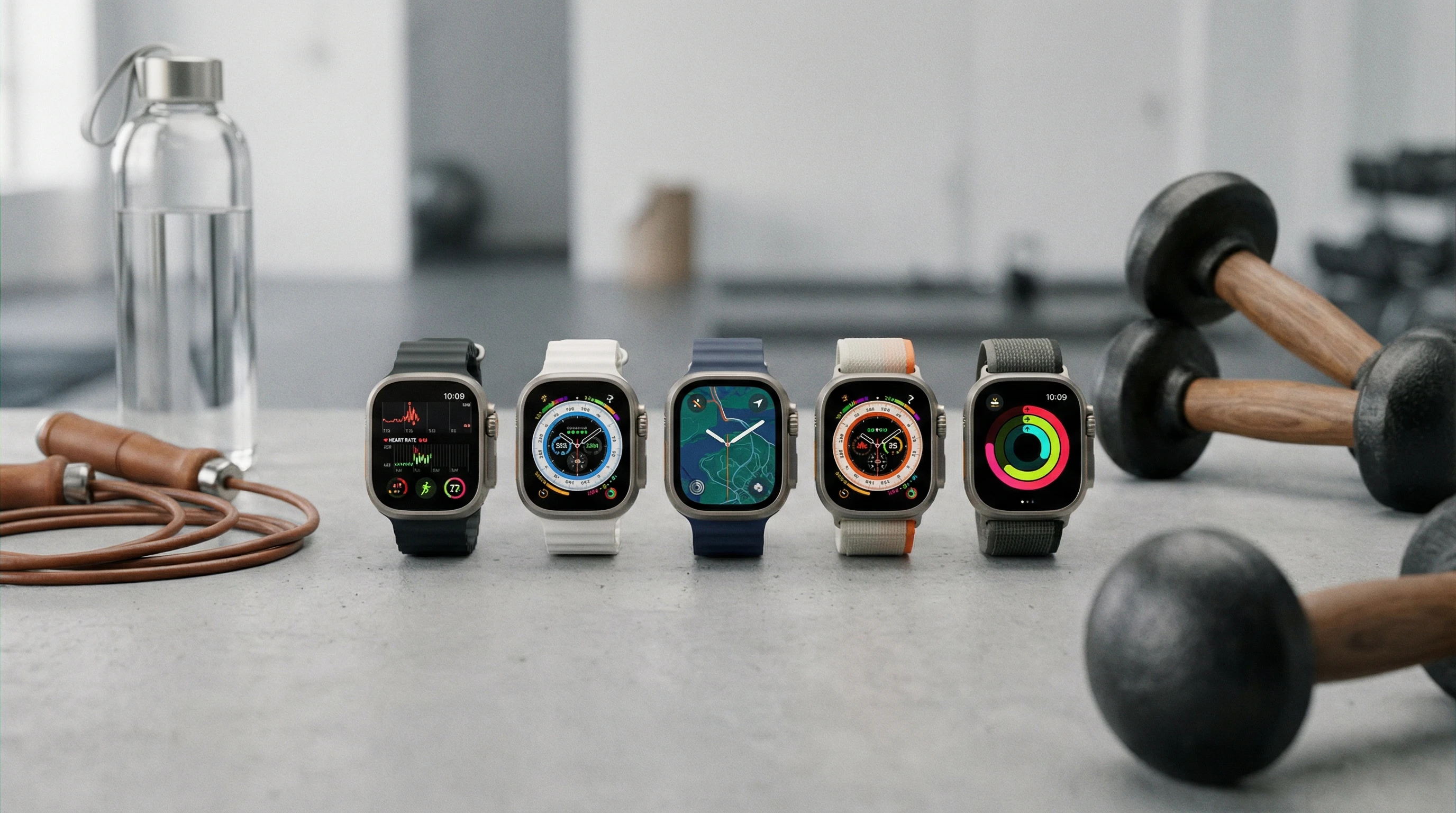
Most exercise watches combine several sensors to keep tabs on you while you move. The common ones use accelerometers (for tracking movement), optical heart rate monitors (to see how fast your heart’s beating), and GPS (to map your runs or bike rides).
Some key terms you’ll see:
- VO2 Max: Estimates the amount of oxygen your body can use during intense exercise.
- SPO2: Measures blood oxygen saturation, especially useful for high-intensity and altitude training.
- ECG Monitoring: Uses special sensors to check for irregular heart rhythms.
- Sleep Tracking: Monitors sleep stages and gives advice on improving recovery.
Advanced models even track things like skin temperature, stress levels, and hydration, thanks to new sensor upgrades rolling out this year. Some of the latest devices can even spot subtle changes in your routine, such as shifts in sleep or variations in heart rate, and alert you before bigger issues crop up.
Quick-Start Guide to Picking an Exercise Watch
Getting the most out of your fitness routine starts with finding a watch that matches how you want to train. Here are some steps that make the search a lot easier:
- Figure Out Your Main Goal: Decide if you’re focused on running, lifting, cycling, swimming, or just keeping a closer eye on health.
- Pick Your Price Range: There are now solid watches across a wider price spectrum. Entry-level models are getting smarter, but advanced watches can cost as much as a midrange smartphone.
- Decide on Features You Can’t Live Without: Do you need music storage, phone notifications, or just want a simple data readout?
- Make Sure It Works With Your Devices: Not all watches play nice with Android, iOS, or third-party apps. Compatibility saves plenty of headaches.
- Check Battery Life: Depending on your activity levels and the number of smart features, battery performance can range from a day to almost a month.
Reading up on recent user reviews and checking return policies also helps make sure your pick fits your style. For those who value long-term support, checking how often the manufacturer issues updates is also smart. This makes sure your watch won’t quickly become obsolete.
What To Consider Before Buying a Fitness Watch
Exercise watches come with their own quirks and limitations. These are the main points I pay attention to when shopping around:
- Accuracy: No fitness watch is 100% accurate for everything; heart rate, for example, can vary depending on your skin tone, how snugly the watch fits, and sensor quality.
- Battery Drain: Advanced features like GPS and continuous heart rate monitoring drain the battery much quicker than basic step tracking.
- Durability: Not all watches are built for hardcore activities or exposure to water and sweat, even if they look tough.
- Data Privacy: Fitness watches collect a ton of data, and not every brand treats your privacy the same way. Check privacy policies and stick to well-known names.
Accuracy
Brands have made big strides in sensor tech, but watches can still make mistakes with things like calorie burn or wrist-based heart rate readings. For the most accuracy, consider a model with chest strap compatibility or extra sensors. Also, check out tests by reviewers or specialty sites like DC Rainmaker to get an idea of real-world performance. Some cutting-edge models now feature enhanced skin contact sensors and AI-powered calibration for better precision during various workout types.
Battery Life
This varies a ton. If you plan on using GPS for hours, look for models with extended battery modes or solar charging. If you’re just tracking daily activity, even an entrylevel model should last a week or more between charges. Some new fitness watches even support wireless charging to make charging easier and more convenient.
Durability and Build
Choose watches rated for the environments you’ll use them in. Running in the rain, swimming, or hitting the gym? Look for water resistance and strong materials like sapphire glass and reinforced nylon or titanium. For outdoors lovers, picking a dust and shock resistant model is wise.
Privacy and Security
Some brands let you control what data is stored or shared, while others aren’t as clear. If you take privacy seriously, check which platforms offer anonymized data or local storage options. More info on health data privacy can be found at Epic.org.
Being aware of these factors helps you avoid some of the common frustrations that can pop up after you start using your new watch. Take time to evaluate migration paths if you think you might switch brands or ecosystems in the near future.
Top Exercise Watches of 2026: Models Worth Checking Out
I’ve tried, reviewed, or closely followed dozens of the latest models, and these are some of the exercise watches that stand out this year. Below, I’ll share a rundown of each model, what they’re best for, and why you might like them.
- Garmin Forerunner 965 Pro
This is an awesome pick for runners, triathletes, and folks who want super detailed performance tracking. The multiband GPS is accurate even in dense cities, and recovery insights are super useful. Garmin Pay and music storage are nice perks, too. Garmin Forerunner 965 Pro - Apple Watch Series 11
The new flagship packs in upgraded sensors, advanced ECG, continuous SPO2, and all the usual Apple integration. Battery life isn’t marathon level but will get you through the day. Fitness+ integration is handy for at home workouts. Apple Watch Series 11 - Samsung Galaxy Watch Ultra
With expanded battery and superbright always on display, this model is versatile for workouts and all day wear. Works well with Android phones, and there are app options for nearly every type of activity. Galaxy Watch Ultra - Coros Apex 4
This one’s built for endurance athletes and outdoor adventurers. The Apex 3 provides weeklong battery life, fast mapping GPS, and a rugged shell that can take a beating. Training metrics and analytics are detailed without overcomplicating things. Coros Apex 4 - Fitbit Versa 4
Great for general wellness with an approachable price point. Reliable sleep tracking, built-in EDA sensor for stress, and strong app ecosystem make it a solid option if you’re not chasing pro level stats. Fitbit Versa 4
Choosing from these top picks depends mostly on which data you value and how you train, but you’re in good hands with any of these brands. Other notable brands like Polar and Suunto also offer upgraded models this year for focused athletes and multisport use, adding to the already strong mix of choices.
Extra Tips for Getting More From Your Exercise Watch
Once you’ve set up your new device, there are a few things I recommend trying to get the best out of it:
- Customize your data screens: Most watches let you set which stats are shown while you work out, so you’re not distracted by numbers that don’t matter to you. This customization helps focus your attention and keeps your effort where it counts most.
- Sync with other fitness apps: Make sure your watch autosyncs with apps you already use for nutrition, scheduling, or community motivation. This helps bring together your fitness life in one place.
- Update firmware regularly: Updates can add new features, squash bugs, and improve accuracy. Regular updates can also help prolong your watch’s working lifespan.
- Try coaching features: Many new watches now include guided audio or video sessions for all types of exercises. These can help break plateaus and keep your routine feeling fresh and energizing.
Personalizing your watch can actually help you stick to routines and see progress much quicker. Using tools like goal notifications and streak trackers also keeps your motivation level high.
Application Examples: Real-World Benefits
Exercise watches fit into everyday life in more ways than most people expect. Here are some common ways people make use of their devices:
- Run Training: From interval breakdowns to heart rate zones and race predictions, running focused watches make tracking and improving simple. Features like cadence tracking and stride analysis are now standard in most models for runners who want those extra details.
- Strength Training: Reps and set counters, rest timers, and recovery monitors keep strength programs moving smoothly. Some devices also include vibration reminders for optimal rest, helping you stay efficient in your sessions.
- Swimming: Waterproof ratings and stroke detection are now standard in most models suited for swimmers, with automatic lap and pace detection. Some newer watches even track form corrections and suggest tips post-session.
- Wellness Monitoring: Features like guided breathing for stress, sleep stage monitoring, and women’s health insights offer valuable views into overall wellness. Alerts for prolonged inactivity or reminders to get up and stretch help build better daily habits.
I’ve even seen people using their watches to track hydration on long hikes, get alerts for elevated heart rates, and sync with emergency contacts during outdoor adventures. These wearables support safer adventures and encourage balanced living day to day.
Frequently Asked Questions
If you’re still wondering about features or shopping decisions, here are questions I hear all the time:
Question: Can I use an exercise watch for medical purposes?
Answer: Many new models now include FDA-cleared ECG and fall detection, but always check with your doctor before relying on these tools for medical decisions. Resources like FDA’s wearable device guidance have the most updated info.
Question: How do I know my activity data is secure?
Answer: Stick to established brands and read their privacy statements. You can also limit what data is synced to the cloud in your account settings.
Question: Will my exercise watch work with third-party apps?
Answer: Most new watches support integration with big fitness platforms and phone operating systems, but double-check support for the specific apps you want to use before buying.
Final Thoughts
Upgrading to a new exercise watch in 2026 is one of the best moves if you care about health or just want to stay motivated for everyday activity. The choices are better than ever, features keep getting smarter, and whether you’re a serious athlete or just finding your rhythm, there’s an option to fit your needs. Staying active and healthy is a lot easier (and more fun) with the right tech on your wrist. If you do your research and tailor your choice to your personal fitness goals, you’re likely to enjoy the experience and make steady progress.
About the Author