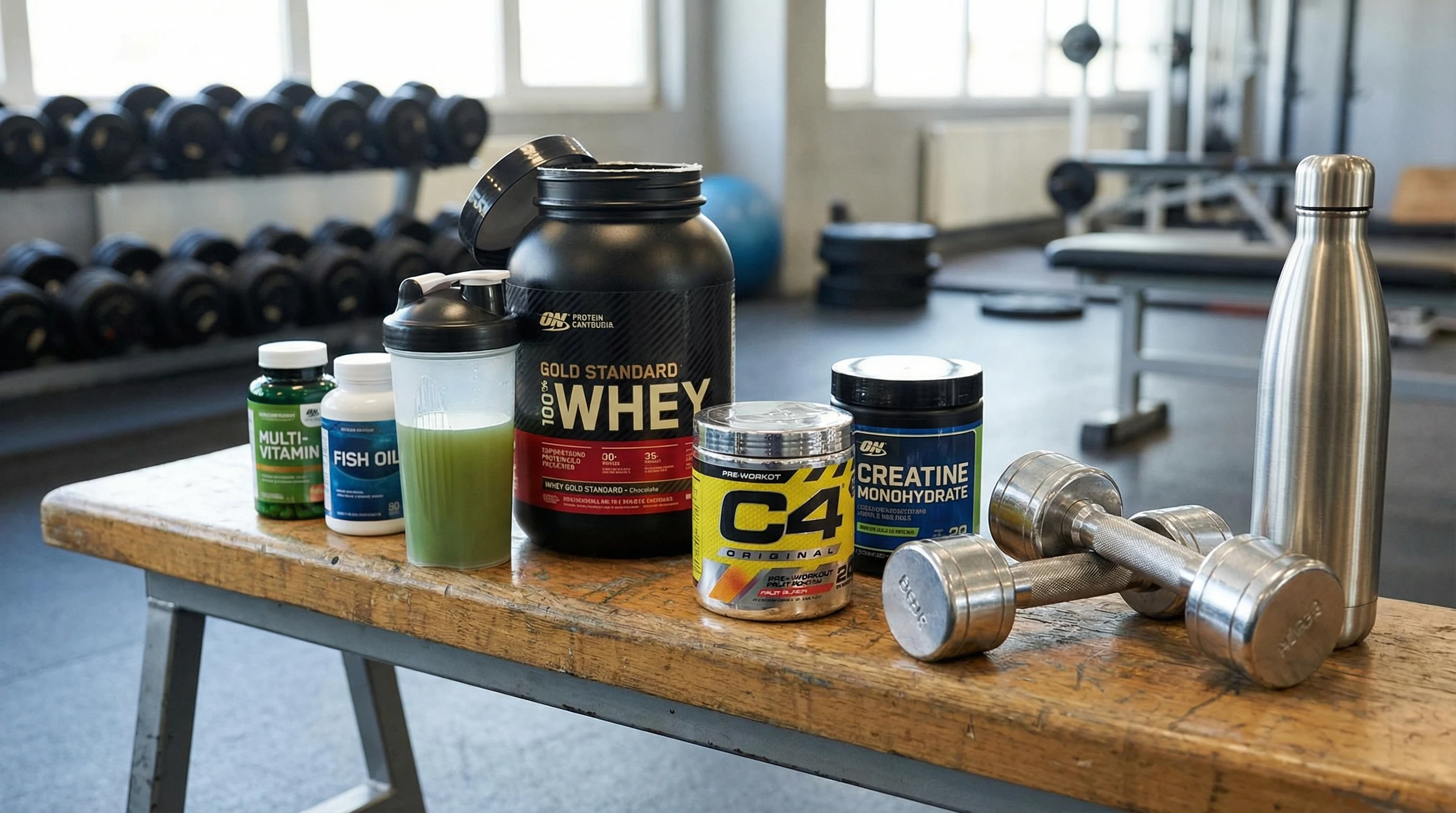
Protein powders are everywhere these days. Whether you love working out, are trying to drop some weight, or just need a convenient way to get more protein in your daily routine, picking the right powder can genuinely make a difference. The tough thing is sorting through all the types, flavors, and numerous brands out there. That’s why I’ve put together this guide—to share what I’ve learned about choosing protein powders that really deliver, keep you fueled, and work for different goals and diets.
Why Protein Powders Are Worth Considering
Protein plays a crucial role in muscle growth, repair, and even in providing energy. It’s not just athletes who benefit; anyone can use a bit more protein to help recover from a long day or curb cravings between meals. The ease of tossing a scoop in a shaker and hitting the road is hard to match. According to the Mayo Clinic , most people get enough protein from whole foods, but sometimes (busy schedules, vegan or vegetarian diets, or increased activity) a boost from powder can fill in the gaps.
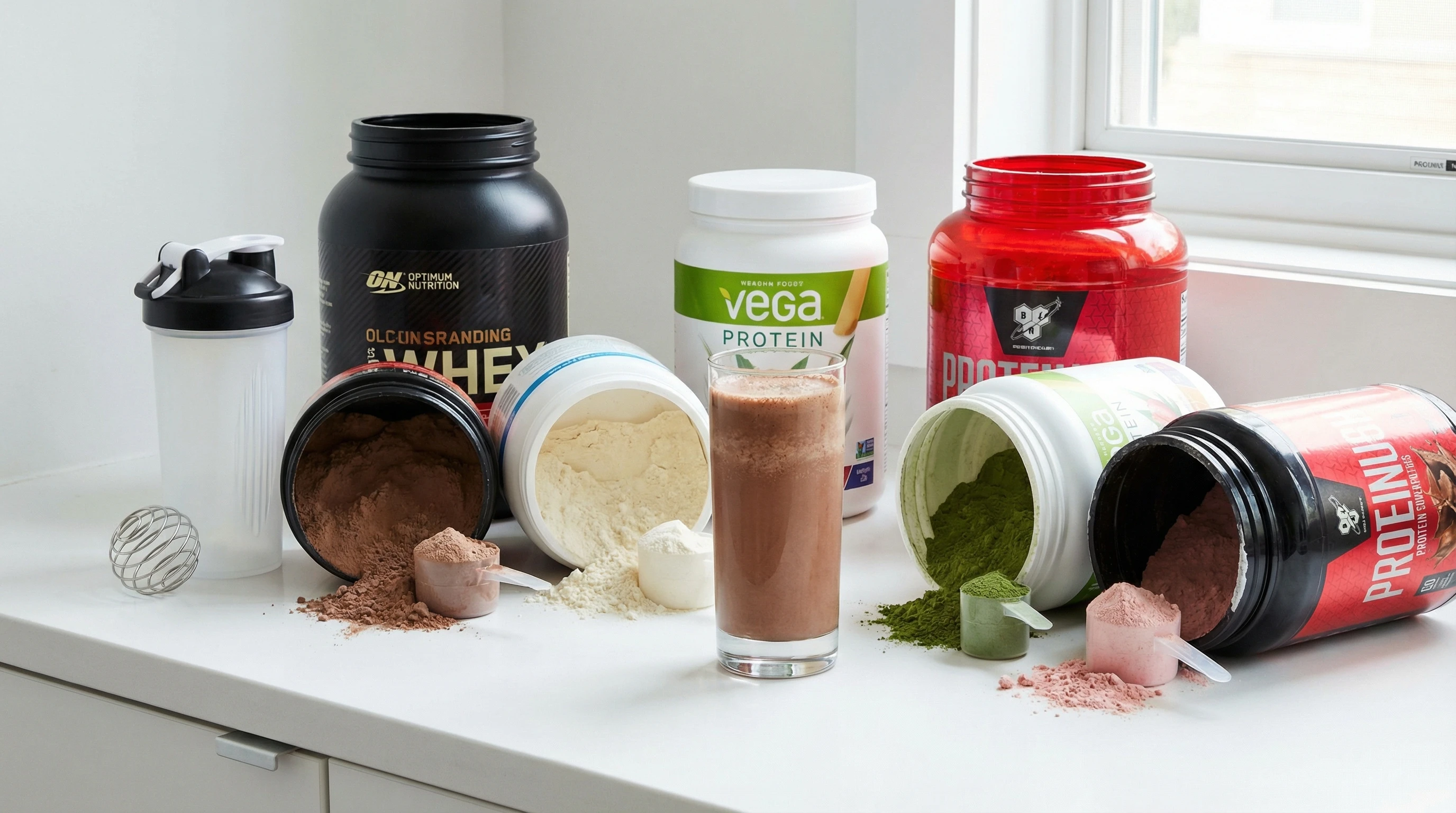
The Main Types of Protein Powders
When you shop for protein powder, you’ll spot a few main categories:
- Whey Protein: Popular with gym fans. It’s sourced from milk and digests fast, ideal after workouts.
- Casein Protein: Another milk-based pick, but slower to digest; great as a nighttime snack.
- Plant Based Proteins: These mix up peas, hemp, rice, or soy, offering a solid option for vegans, vegetarians, or those with dairy allergies.
- Egg White Protein: Dairy-free but still animal-based. It’s a smart choice for those seeking something different.
More niche choices exist (think collagen or beef protein), but the four above cover almost every need.
My Picks: The Best Protein Powders by Category
Diets, tastes, and goals vary a lot, so here are my top recommendations for a few key situations. Each one ranks high in taste, mixability, ingredient quality, and value.
Best Overall: Optimum Nutrition Gold Standard 100% Whey
This classic powder fits most people’s needs. It’s widely available, blends smoothly into milk or water, and arrives in plenty of flavors (you can’t go wrong with chocolate or vanilla). Each scoop gets you close to 24 grams of protein and just a tiny amount of sugar. Plus, it’s verified for banned substances, so there’s peace of mind about what’s inside.
Best Plant Based: Orgain Organic Protein
If you stick with plant sources, Orgain stands out. It uses a blend of pea, brown rice, and chia proteins, making sure you hit all those essential amino acids. It’s certified organic and stays light on sugar and fillers. Blending it with plantbased milk results in a creamy shake. Ingredient details and more can be found on Orgain’s site.
Best for Muscle Building: Dymatize ISO100
If strict macros or serious training is your thing, hydrolyzed whey isolate like Dymatize ISO100 comes in handy. It digests extremely fast, with hardly any carbs or fat, and very low lactose. The gourmet chocolate and birthday cake varieties are favorites.
Best for Sensitive Stomachs: Naked Nutrition Pea Protein
For anyone who can’t handle dairy, soy, or added extras, Naked Nutrition Pea Protein fits the bill. It contains just one ingredient (yellow pea protein) and skips artificial additives and sweeteners. It may taste plain solo, but it works great in shakes and smoothies.
Best Budget Option: Muscle Milk Genuine Protein Powder
Muscle Milk is both budgetfriendly and easy to find. It offers a combo of whey and casein proteins for steady absorption. The flavor holds up, and each scoop brings 32 grams of protein, making it wallet-friendly and practical.
What to Watch Out for When Choosing a Protein Powder
The supplement world is packed with hype, but not every powder is right for every person. Here are some practical tips I’ve learned through research and personal use:
- Ingredient List: Short and simple is best. Be cautious of artificial sweeteners, fillers, or unnecessary extras.
- Protein Content: Try to find at least 20 grams per serving. Anything lower usually gets padded with carbs or fat.
- Sugar Amount: Some brands load up on sugar. Keep track, especially if you’re having shakes every day.
- Dietary Restrictions: Always double-check for allergens (like dairy or soy) if your body can’t handle them.
- Thirdparty Testing: Look for powders certified by NSF Certified for Sport or Informed Choice; these help make sure you get what you pay for. For details, see NSF International and Informed Choice.
Understanding Nutrition Labels
Reading a label can get overwhelming, so focus on these basics:
- Protein per serving: Around 20-30 grams is the usual sweet spot.
- Calories: Go for lighter powders if you’re watching your weight; higher-calorie versions are for those who need more fuel.
- Fat and carbs: Generally better on the low side, unless you specifically want a mass gainer powder.
- Added vitamins or minerals: Useful sometimes, but not essential if your overall diet is balanced.
When in doubt, line up a few options and compare the labels. A little label reading helps you avoid products overloaded with extras you don’t actually want.
Common Questions About Protein Powders
Here are answers to some of the most frequently asked questions I get about protein powders:
Is protein powder safe to use every day?
For most people, daily use is completely fine—just stay within the suggested serving sizes. Still, whole food sources like meat, fish, eggs, and legumes ought to be a big part of your diet. If you want to know more, check out the Harvard Health for more advice.
Can protein powder help with weight loss?
Protein powder can help you manage your weight. Protein is filling, and using a shake as part of a meal or snack can tamp down cravings. Just check calories and see if it works for your personal goals and habits.
When’s the best time to take protein powder?
Anytime that fits your schedule. After workouts is common, but it’s also good for breakfast, snacking, or before bed (especially the slow-digesting types). The most important thing is getting enough total protein each day.
Do you need protein powder to build muscle?
Not absolutely. It’s a convenient way to meet your daily target, though. If getting enough through whole foods is a challenge, or you want something convenient for busy days, powder is a useful tool.
Are there any risks from using protein powder?
Overdoing it can put stress on your kidneys—especially if you already have pre-existing health issues. Stick to recommended amounts, and talk with your doctor if you have any concerns. For deeper reading, try Harvard Health Publishing.
Tips for Getting the Most Out of Your Protein Powder
Here are some tried-and-true pointers I use all the time:
- Switch it up: If you get bored or want a wider nutrition profile, rotate among different protein sources (whey, casein, pea, etc.).
- Mix with other foods: Throw in fruit, oats, nut butter, or spinach for a more well-rounded shake or meal.
- Prep ahead: Mix up shakes or overnight oats with your favorite powder for grab-and-go convenience.
- Start with small serves: Try out new powders with half a scoop to see how your body handles them.
- Ignore wild claims: Don’t get swept up in hype—pick what matches your needs and budget, and don’t overthink all the marketing.
Wrapping Up: Finding the Protein Powder That Works For You
The key to choosing the best protein powder comes down to matching your goals, tastes, and wallet. There are tons of tasty, affordable, and gut-friendly choices out there. Start with a small tub to see what suits you, and figure out how it fits into your routine. With so many options available, hitting your protein targets can be as easy as scooping and shaking—even on your busiest mornings.
If you want to learn more from trusted sources, check resources like the National Institutes of Health or talk with a registered dietitian. Looking for personalized advice? Sit down with a nutrition pro and they’ll help you pick the powder and protein strategy that matches your lifestyle and health needs.
About the Author