Your heart beats over 100,000 times a day—without you even thinking about it.
But here’s the reality: most people don’t pay attention to their heart until something goes wrong.
And by then?
It’s already playing catch-up.
The good news: you don’t need extreme diets, complicated routines, or prescriptions to start improving your heart health. Small, consistent habits can make a massive difference.
Let’s break it down in a way that actually works.
📌 What You’ll Learn
🚨 Why Heart Health Matters More Than You Think
Heart disease remains the leading cause of death worldwide—and much of it is preventable.
Poor nutrition, stress, lack of movement, and blood sugar imbalance quietly damage your cardiovascular system over time.
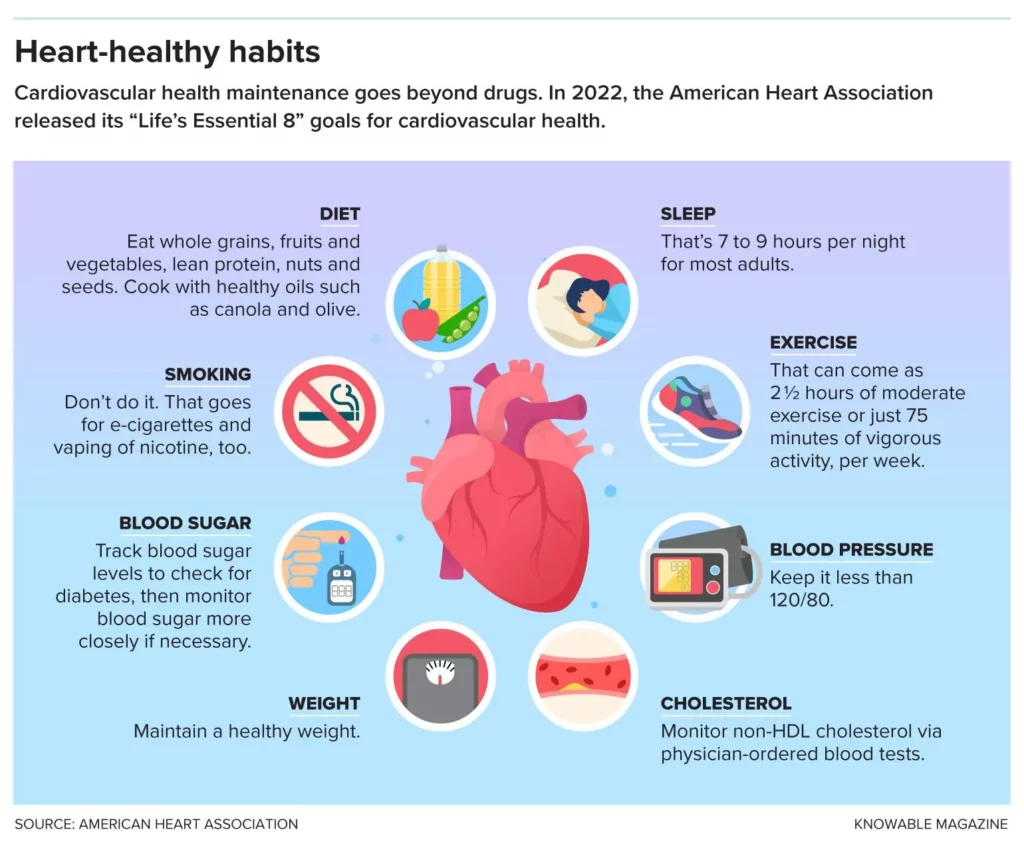
According to the American Heart Association, lifestyle changes alone can significantly reduce your risk.
That means you have more control than you think.
🥗 1. Eat for Your Heart (Not Just Your Weight)
Forget crash diets.
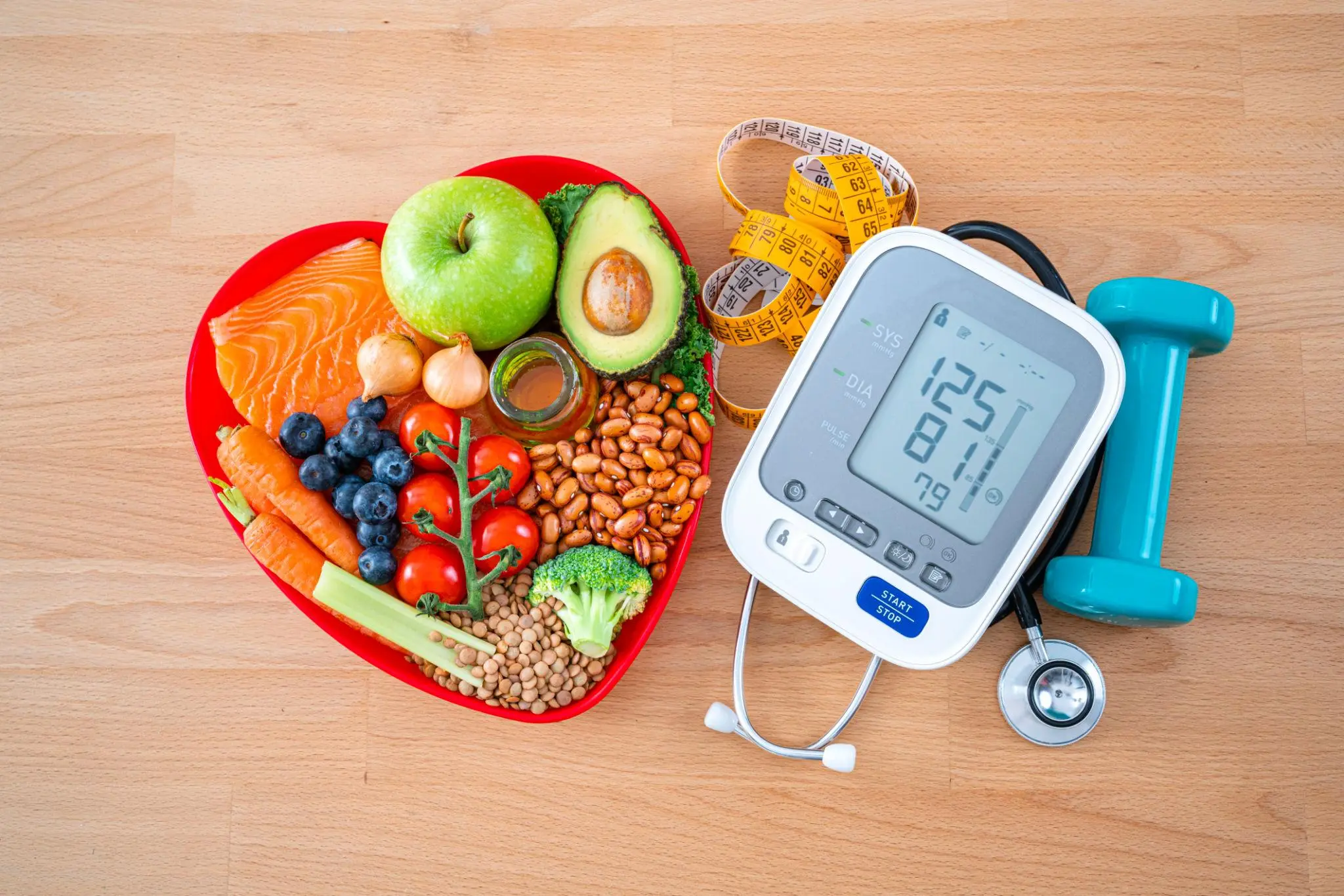
Your heart thrives on real, nutrient-dense foods.
✔️ Heart-Healthy Foods to Focus On:
- Fatty fish (salmon, sardines)
- Leafy greens (spinach, kale)
- Berries (blueberries, strawberries)
- Healthy fats (avocado, olive oil)
- Whole grains (oats, quinoa)
These foods help reduce inflammation, improve cholesterol levels, and support healthy blood flow.
Research from the Harvard T.H. Chan School of Public Health shows that diets rich in whole foods significantly lower heart disease risk.
⚠️ What to Limit:
- Processed foods
- Excess sugar
- Trans fats
- Refined carbs
👉 Translation: If it comes in a box and lasts forever… your heart probably doesn’t love it.
👉 Check out our guide on Healthy Weight Loss Strategies
🏃♂️ 2. Move Your Body Daily (No Gym Required)
You don’t need to train like an athlete.
You just need to move—consistently.
✔️ Best Types of Heart-Healthy Exercise:
- Walking (most underrated option)
- Cycling
- Swimming
- Bodyweight workouts
- Light strength training
Just 30 minutes a day can improve circulation, reduce blood pressure, and strengthen your heart muscle.
The Centers for Disease Control and Prevention recommends at least 150 minutes of moderate activity per week.
👉 That’s only about 20–30 minutes a day.
No excuses.
👉 Learn more in How To Track Fitness Progress
😴 3. Sleep Like Your Life Depends On It (Because It Does)
Sleep isn’t just recovery—it’s repair.
When you consistently sleep poorly:
- Blood pressure increases
- Stress hormones spike
- Heart strain rises
The Sleep Foundation highlights that adults need 7–9 hours of quality sleep for optimal cardiovascular health.
✔️ Quick Sleep Fixes:
- Go to bed at the same time every night
- Limit screen time before bed
- Keep your room cool and dark
🧘♂️ 4. Control Stress Before It Controls You
Chronic stress silently damages your heart.
It increases inflammation, raises blood pressure, and can lead to unhealthy habits like overeating or inactivity.
According to the Mayo Clinic, stress management is a critical factor in preventing heart disease.
✔️ Simple Stress-Reduction Strategies:
- Deep breathing (2–5 minutes daily)
- Walking outdoors
- Meditation or mindfulness
- Disconnecting from screens
Even small breaks matter.
👉 Explore Health & Wellness Tips
⚡ 5. Balance Blood Sugar = Protect Your Heart
Here’s something most people overlook:
Your heart and your metabolism are directly connected.
Spikes and crashes in blood sugar:
- Damage blood vessels
- Increase inflammation
- Raise heart disease risk
Research from the National Institutes of Health shows strong links between metabolic health and cardiovascular health.
👉 Stable energy = less strain on your heart.
👉 Read Nutrition Tips for Better Energy
💧 6. Hydration Matters More Than You Think
Your blood is mostly water.
If you’re dehydrated:
- Blood thickens
- Circulation slows
- Heart works harder
Aim for consistent hydration throughout the day—not just when you feel thirsty.
🚫 7. Eliminate the Silent Killers
Let’s be blunt.
These destroy heart health:
- Smoking
- Excess alcohol
- Sedentary lifestyle
- Chronic overeating
Cutting even one of these can dramatically improve your long-term health.
🔥 Quick Summary (What Actually Matters)
If you do nothing else, focus on this:
✔️ Eat real food
✔️ Move daily
✔️ Sleep better
✔️ Reduce stress
✔️ Balance blood sugar
Simple.
Not easy—but simple.
👤 Who This Is For
This guide is for you if:
- You want to improve heart health naturally
- You feel low energy or sluggish
- You’re trying to prevent future health issues
- You want a realistic, sustainable lifestyle
📊 Final Thoughts: Your Heart, Your Responsibility
No one else is going to take care of your heart for you.
Not your doctor.
Not a pill.
Not some quick fix.
It comes down to your daily choices.
And the best part?
You don’t have to be perfect—you just have to start.
💬 Frequently Asked Questions
What is the fastest way to improve heart health?
Improving heart health starts with daily movement, eating whole foods, reducing sugar intake, and managing stress. Even small changes can produce noticeable benefits within weeks.
What foods are best for heart health?
Foods like salmon, leafy greens, berries, oats, nuts, and olive oil are excellent for supporting cardiovascular health and reducing inflammation.
How much exercise do you need for heart health?
At least 150 minutes of moderate exercise per week, such as walking or cycling, is recommended for maintaining a healthy heart.
Can you reverse heart disease naturally?
In some cases, lifestyle changes like improved diet, exercise, and stress reduction can help slow, stop, or even partially reverse heart disease progression.
Does weight loss improve heart health?
Yes—losing excess weight can lower blood pressure, improve cholesterol levels, and reduce strain on the heart.
👉 Call To Action
Want to take this further?
👉 Visit fitmattersguide.com for simple, natural strategies to improve your metabolic and heart health—without extreme diets or complicated routines
🔗 Authority Links
- American Heart Association
- Centers for Disease Control and Prevention
- National Institutes of Health
- Harvard T.H. Chan School of Public Health
- Mayo Clinic
- Sleep Foundation
About the Author