When you think of yoga, you might picture advanced poses, extreme flexibility, or long meditation sessions. But here’s the truth: yoga is for everyone—even complete beginners like you.
Yoga isn’t about being flexible, touching your toes, or doing headstands. It’s about connecting your body, mind, and breath in a way that makes you stronger, calmer, and healthier. Whether you want to improve fitness, reduce stress, or just feel more balanced, yoga is a great place to start.
Yoga is a gentle yet effective practice that combines movement, breathing, and mindfulness to support both physical and mental well-being. According to Yoga Journal, beginner yoga focuses on foundational poses, proper alignment, and breath awareness to help new practitioners build strength, flexibility, and confidence safely.
Let’s walk through how you should begin your yoga journey and answer the most common beginner questions.
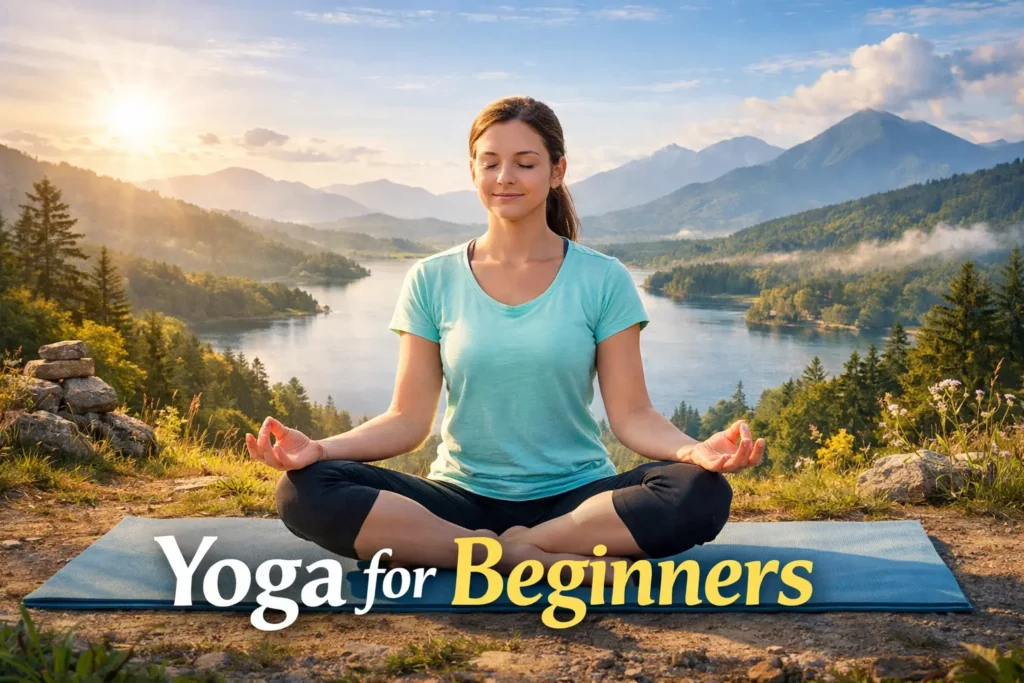
How Should Beginners Start Yoga?
Research shows that yoga can support overall health when practiced regularly and within individual comfort levels. The National Institutes of Health explains that yoga may help reduce stress, improve flexibility and balance, and support mental well-being, making it a suitable option for beginners of many fitness levels.
The best way to start yoga is to keep it simple and consistent. Here’s how:
1. Pick a beginner-friendly style. Hatha or Vinyasa yoga are great places to start. They focus on basic poses, breathwork, and gentle movement.
2. Start small. Even 10–15 minutes a day makes a difference. You don’t need hour-long sessions.
3. Use resources. Follow online beginner classes, YouTube videos, or apps. If possible, attend a local class to learn proper form.
4. Focus on your breath. Breathing deeply and steadily is more important than perfect poses.
5. Listen to your body. If something feels painful, back off. Yoga is about patience, not forcing.
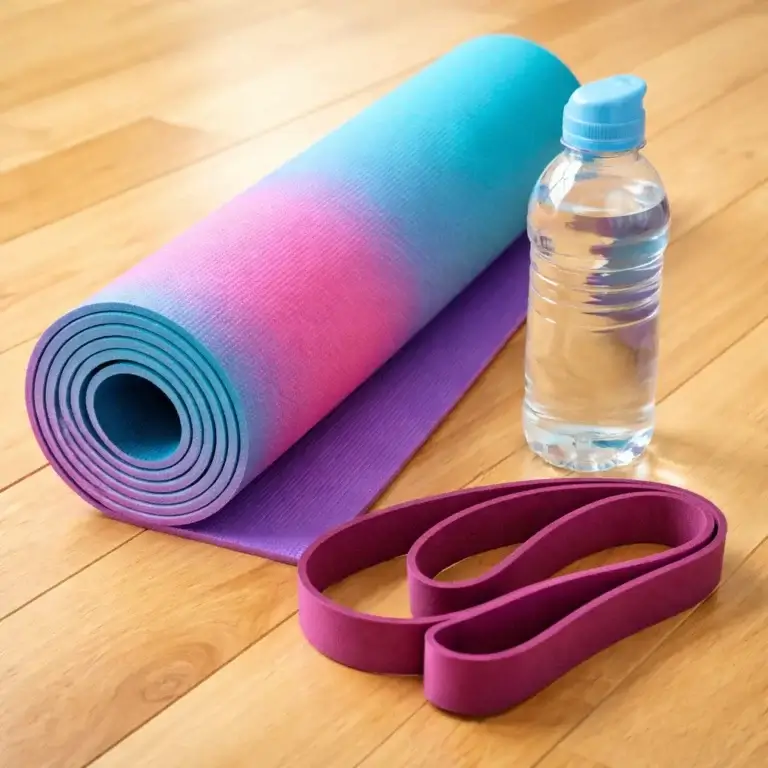
Tip: Roll out a mat in a quiet space, wear comfortable clothes, and start with 3 sessions per week.
How Do I Teach Myself Yoga?
Yes, you can absolutely teach yourself yoga at home. Here’s how:
– Follow beginner videos or apps. Yoga with Adriene on YouTube is a favorite for beginners.
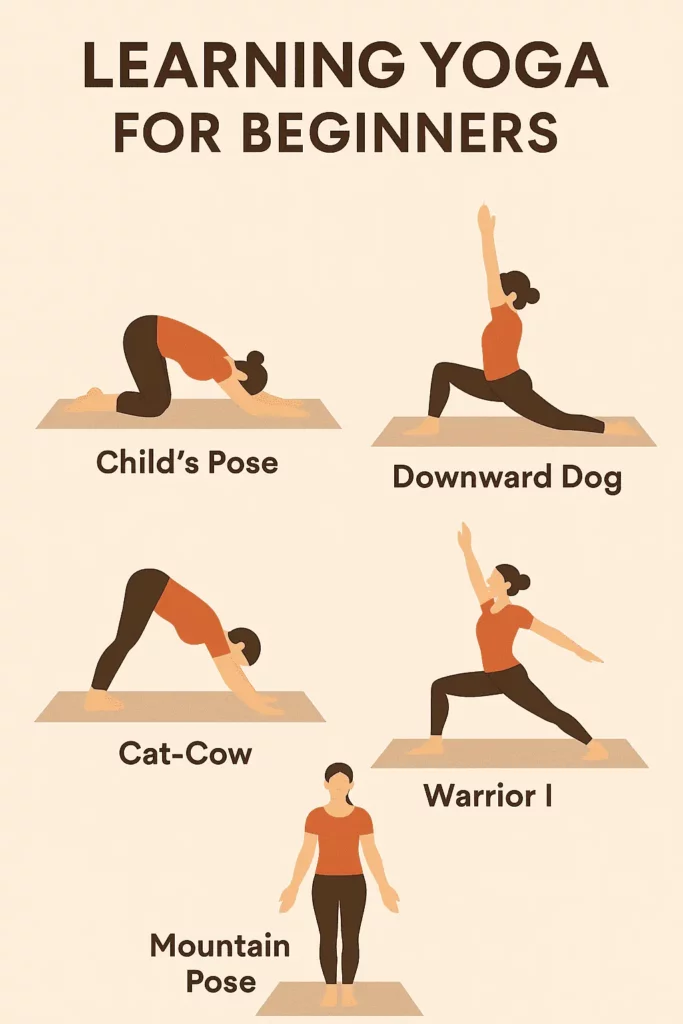
– Learn a set of foundational poses. Child’s Pose, Downward Dog, Cat-Cow, Warrior I & II, Mountain Pose, and Seated Forward Fold.
– Build a routine. Start with 5–6 poses, hold each for 30 seconds, and repeat.
– Stay patient. Yoga is a journey—it’s not about rushing progress.
Self-teaching works best if you focus on consistency and correct breathing. Over time, your strength and flexibility will improve naturally.
Can an Unfit Person Do Yoga?
Absolutely. In fact, yoga is one of the best forms of exercise for unfit beginners.
– You don’t need strength or flexibility to start. Yoga meets you where you are.
– Poses can be modified for every fitness level.
– It improves mobility, posture, and stamina without putting stress on your joints.
– It’s low-impact, making it safe if you haven’t exercised in a while.
No matter your size, fitness level, or age, yoga is accessible. The only requirement is willingness to try.
What Is the First Thing to Learn in Yoga?
The very first thing you should learn is breath awareness. In yoga, this is called Pranayama (breath control).
Why start with breath?
– It calms your mind and reduces stress.
– It helps you stay present in each pose.
– It prevents you from straining or holding your breath while moving.
A simple technique:
– Inhale slowly through your nose for 4 seconds.
– Exhale gently through your nose for 4–6 seconds.
– Repeat during your practice.
Once you master your breath, the poses will feel more natural.
What Not to Do Before Yoga for Beginners?
Here are a few things to avoid before rolling out your mat:
1. Don’t eat a heavy meal. Give yourself at least 1–2 hours after eating. A full stomach makes poses uncomfortable.
2. Don’t skip warm-up stretches. Gentle movements like Cat-Cow or seated twists prepare your body.
3. Don’t push past pain. Discomfort is okay, sharp pain is not.
4. Don’t compare yourself to others. Your yoga journey is personal.
5. Don’t forget water. Stay hydrated before, but avoid chugging water right before starting.
Think of yoga as self-care, not a competition.
Can Yoga Help You Lose Weight?
Yes, yoga can support weight loss, but maybe not in the way you think.
– Active yoga styles like Vinyasa or Power Yoga burn calories while improving strength.
– Gentle yoga styles like Yin or Restorative may not burn as many calories but reduce stress—which helps regulate weight by lowering cortisol (a hormone linked to fat storage).
– Yoga builds muscle, improves posture, and boosts mindfulness, which helps you make better food choices.
If your main goal is weight loss, combine yoga with cardio and strength training for the best results.
What Type of Yoga Is Best for Beginners?
Here are the most beginner-friendly types of yoga:
– Hatha Yoga – Focuses on basic poses and breathing. Perfect for slow learning.
– Vinyasa Yoga – A bit more active, linking breath to movement. Great for building flow.
– Restorative Yoga – Uses props to hold gentle poses. Ideal for relaxation.
– Yin Yoga – Stretches held for longer times. Builds flexibility and calm.
If you’re unsure, start with Hatha. Once you feel comfortable, try Vinyasa for more movement.
Final Thoughts
Yoga isn’t about touching your toes or standing on your head. It’s about showing up on your mat, breathing, and connecting with your body.
Here’s your beginner formula:
– Start with 10–15 minutes, 3 times a week.
– Focus on breath first, poses second.
– Begin with simple poses like Child’s Pose, Cat-Cow, Warrior, and Mountain Pose.
– Avoid heavy meals before yoga, and never push past pain.
– Remember: yoga is for everyone, no matter your fitness level.
Stay consistent, stay patient, and let yoga guide you toward balance, strength, and calm.
About the Author